
TREASURE ISLAND
SAN FRANCISCO
United States
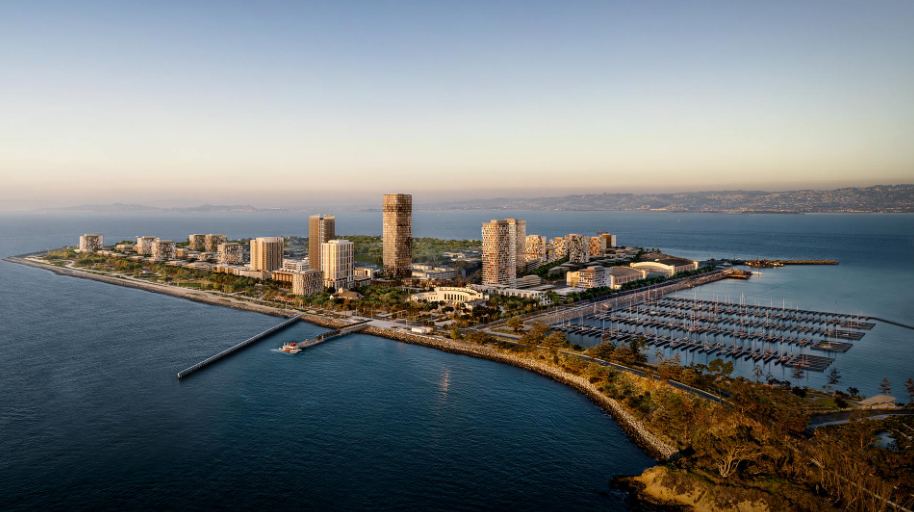
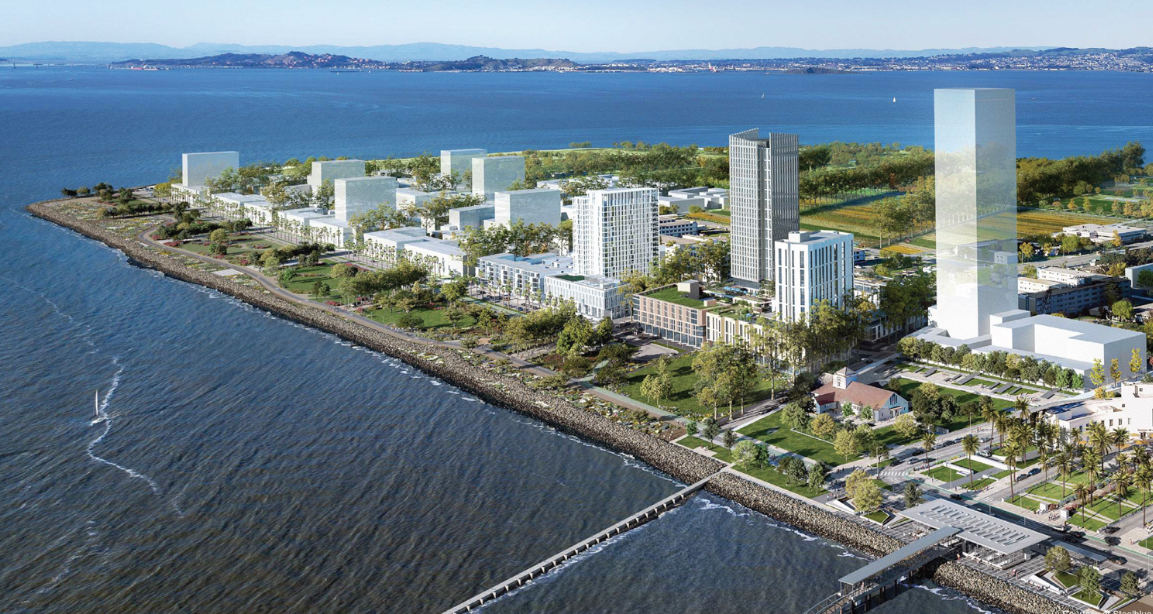
San Francisco’s Treasure Island redevelopment is transforming the former naval station on Treasure Island and parts of Yerba Buena Island into a new mixed‑use, transit‑oriented neighbourhood of roughly 8,000–10,000 homes, major parks, and community facilities, designed as one of the city’s most sustainable districts. The project is led by the City and County of San Francisco through the Treasure Island Development Authority (TIDA) and long‑term master‑developer partnerships. Treasure Island, a 405-acre artificial island in San Francisco Bay, was a U.S. Navy base until its closure in the 1990s, after which the City began planning for reuse and environmental remediation. In 2011, the San Francisco Board of Supervisors approved the Treasure Island/Yerba Buena Island Development Project, which is now being built in phases over 20–30 years as a new urban neighbourhood for around 20,000 residents, with a significant share of below‑market‑rate housing.
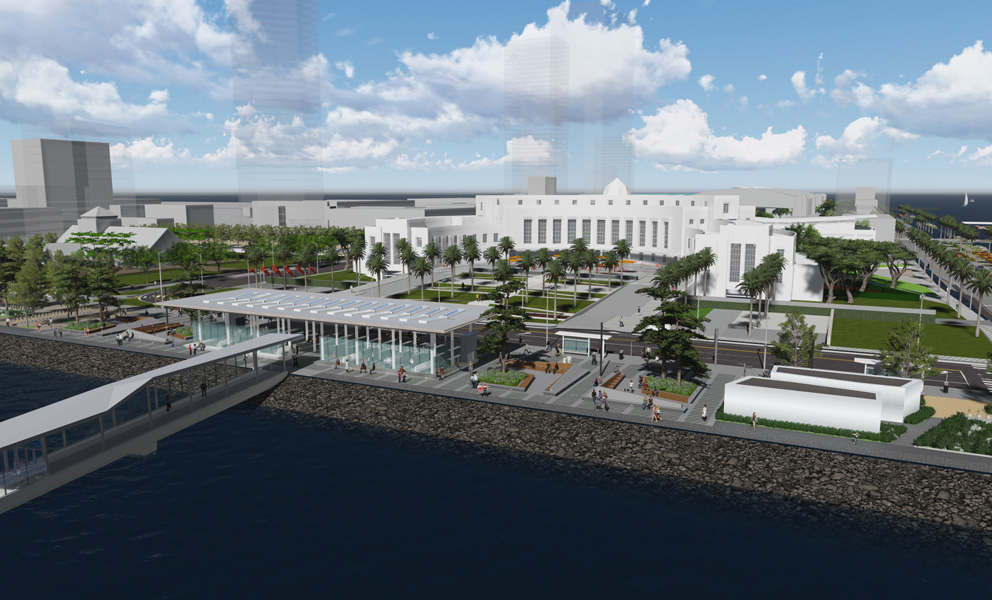
At full build‑out, the plan provides up to about 8,000 residential units, 27% of which are reserved as affordable housing, together with hotels, retail and commercial space, community facilities, and an extensive waterfront park system. Approximately 300 acres of parks and open space, one of the largest additions to San Francisco’s park system since Golden Gate Park, will include shoreline trails, beaches, plazas, sports areas, and naturalized landscapes, all linked to new multimodal streets and ferry connections.
Future Cities criteria compliance
Environmental & Nature
Sustainability is central to the Treasure Island master plan, which is designed to exceed California’s Title 24 energy standards by about 20% and to use renewable grid power, greywater recycling, and extensive composting. Compact, walkable blocks, priority for transit, and limited parking reduce car dependence, while shoreline parks, wetlands, and open‑space networks support habitat, sea‑level‑rise adaptation, and a smaller ecological footprint.
Smart City
The redevelopment incorporates advanced infrastructure systems, including new seismic and geotechnical works to stabilise the artificial island, upgraded utilities, and “smart” multimodal transport supported by integrated transit management. Transit investments include enhanced bus services, dedicated transit lanes on the Bay Bridge approaches, ferry services to the San Francisco Ferry Building, and a street network designed for real‑time operations and future mobility services.
Human-Centric
The project is framed as a new “thriving community,” combining mixed‑income housing (including reusing and replacing former Navy units), local jobs, and services such as schools, community centres, and shops within easy walking distance. Public participation requirements, public art, accessible waterfronts, and commitments to hire and train homeless and low‑income San Franciscans help ensure the redevelopment benefits diverse residents and creates inclusive public spaces.
Interesting Links
Links to external websites and video features available for cities and developments that apply and are accepted as Official Participants: click here to apply