
ŠPITÁLKA SMART DISTRICT
BRNO
Czechia
Brno’s Špitálka Smart District is a planned transformation of part of the Teplárny Brno heating‑plant brownfield into the first smart urban district in Czechia, serving as a pilot for the city’s #brno2050 vision. Led by the City of Brno in the EU project RUGGEDISED, it aims to test smart‑city solutions that can later be replicated across the city and other Czech brownfields.
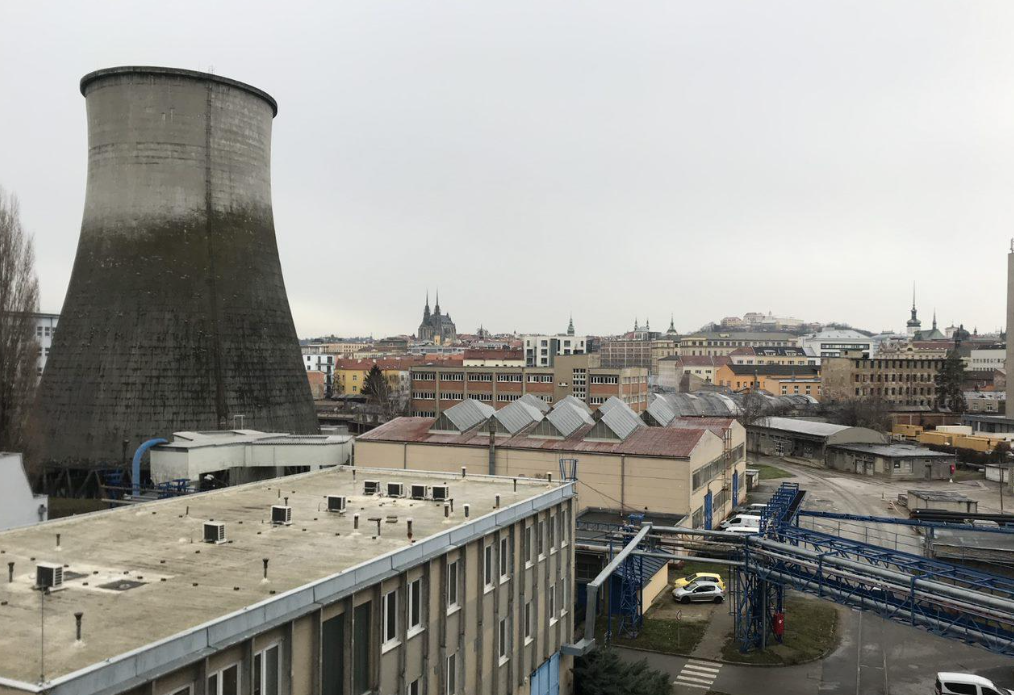
Špitálka lies just north‑east of Brno’s historic centre, in the former industrial zone around the central heating plant near Cejl/Zábrdovice. The city has designated about 24–25 hectares for redevelopment, with a core 5–6‑hectare area to become the RE:Špitálka smart district and a strategic testbed for the Smart City Brno concept.
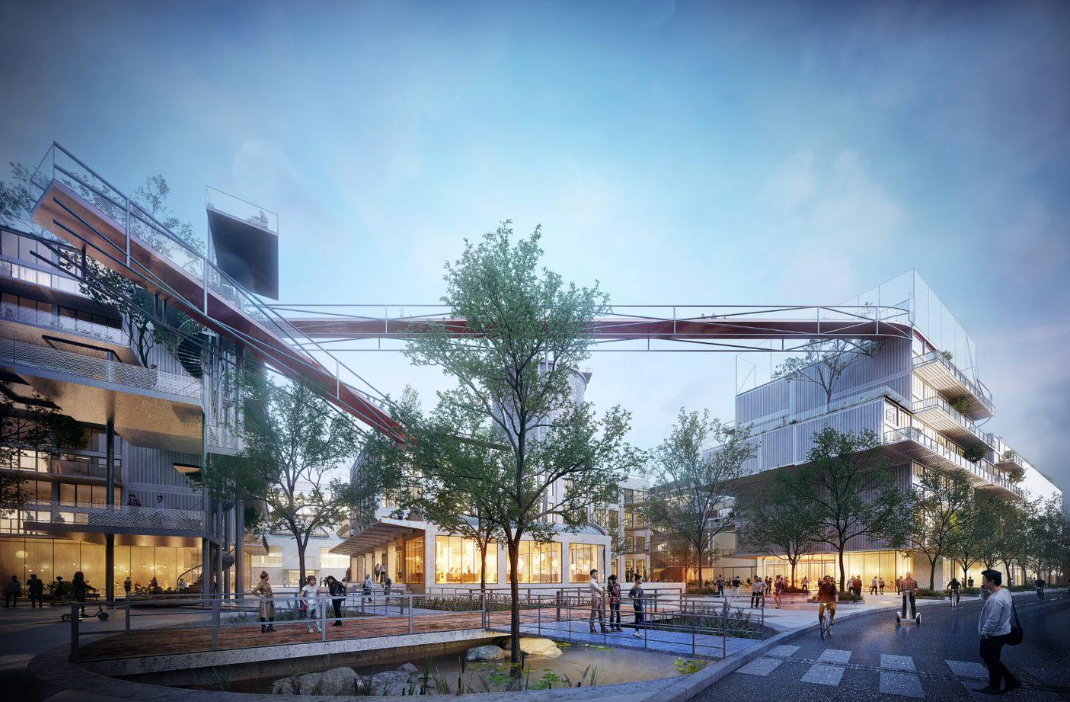
The RE:Špitálka plan, selected in an international competition by KAM Brno and won by studio A8000, proposes a mixed‑use quarter with housing, offices, services, and cultural functions, reusing key industrial structures like the cooling tower. The masterplan promotes short travel distances, active ground floors, people‑first streets and a strong walking and cycling network, with new public spaces, a CITY HUB and green corridors to link Špitálka to neighbouring districts and support revitalisation of the Cejl (“Brno Bronx”) area.

Future Cities criteria compliance
Environmental & Nature
The project is framed as an environmentally friendly, energy self‑sufficient brownfield regeneration that preserves key industrial structures while cutting emissions and resource use. City materials call for local renewables, highly efficient buildings, wastewater recycling for irrigation and toilets, and a compact, mixed‑use layout with walking and cycling prioritised over cars and a logistics centre to limit heavy traffic.
Smart City
Špitálka is Brno’s pilot area for smart‑city technologies, drawing on experience from RUGGEDISED lighthouse cities (Rotterdam, Glasgow, Umeå). The innovation framework lists roughly 20 solutions across seven areas: energy, transport, public space and greenery, people and community, data and communication, smart buildings and waste, including smart metering, interconnected building systems, demand‑controlled ventilation, district‑level energy optimisation, and digital tools for wayfinding and community engagement.
Human-Centric
Špitálka’s smart‑city principles emphasise people‑first streets, high‑quality public spaces and protection of the industrial genius loci, aiming for a “bustling district” where living, working and leisure are closely interwoven around parks, courtyards and safe pedestrian and cycling routes. Universities and students are involved through competitions like MUNISS and temporary‑use workshops to test functions, build community identity, and ensure the district serves residents, workers, and visitors, not just technology objectives.
Interesting Links
Links to external websites and video features available for cities and developments that apply and are accepted as Official Participants: click here to apply