
SŁUŻEWIEC
WARSAW
Poland
Warsaw’s Służewiec is experiencing its fourth radical transformation since 1950. Evolving from an agricultural area into a heavy industrial zone, then morphing in the early 2000s into Poland’s largest, heavily concreted office hub (colloquially dubbed “Mordor”), it is now undergoing a spectacular evolution into a sustainable, mixed-use 15-minute city. Today, driven by progressive urban policies and the demolition of outdated office blocks to make way for modern residential estates, Służewiec is definitively breaking its functional monoculture.
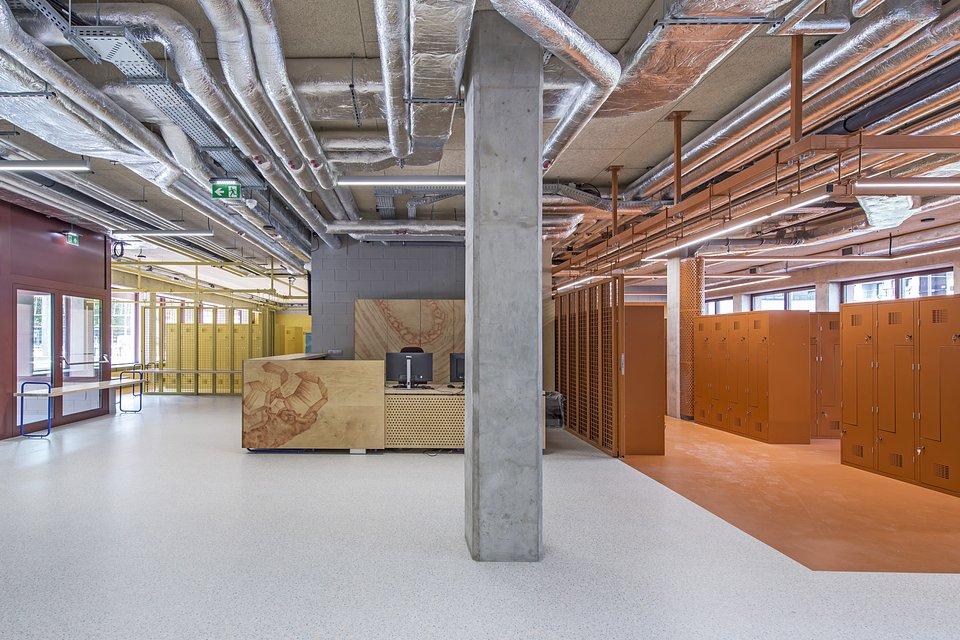
A prime example of this newfound multifunctionality is a recently opened public primary school. In a pioneering public-private partnership facilitated by a special housing act, private developers built and handed over a fully equipped school to the city, filling crucial educational gaps.
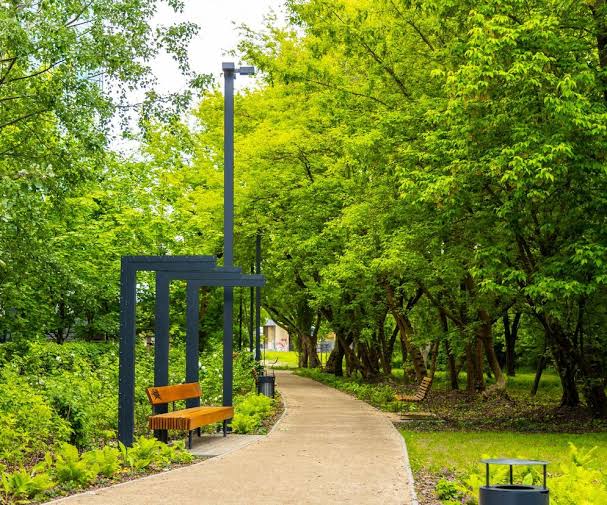
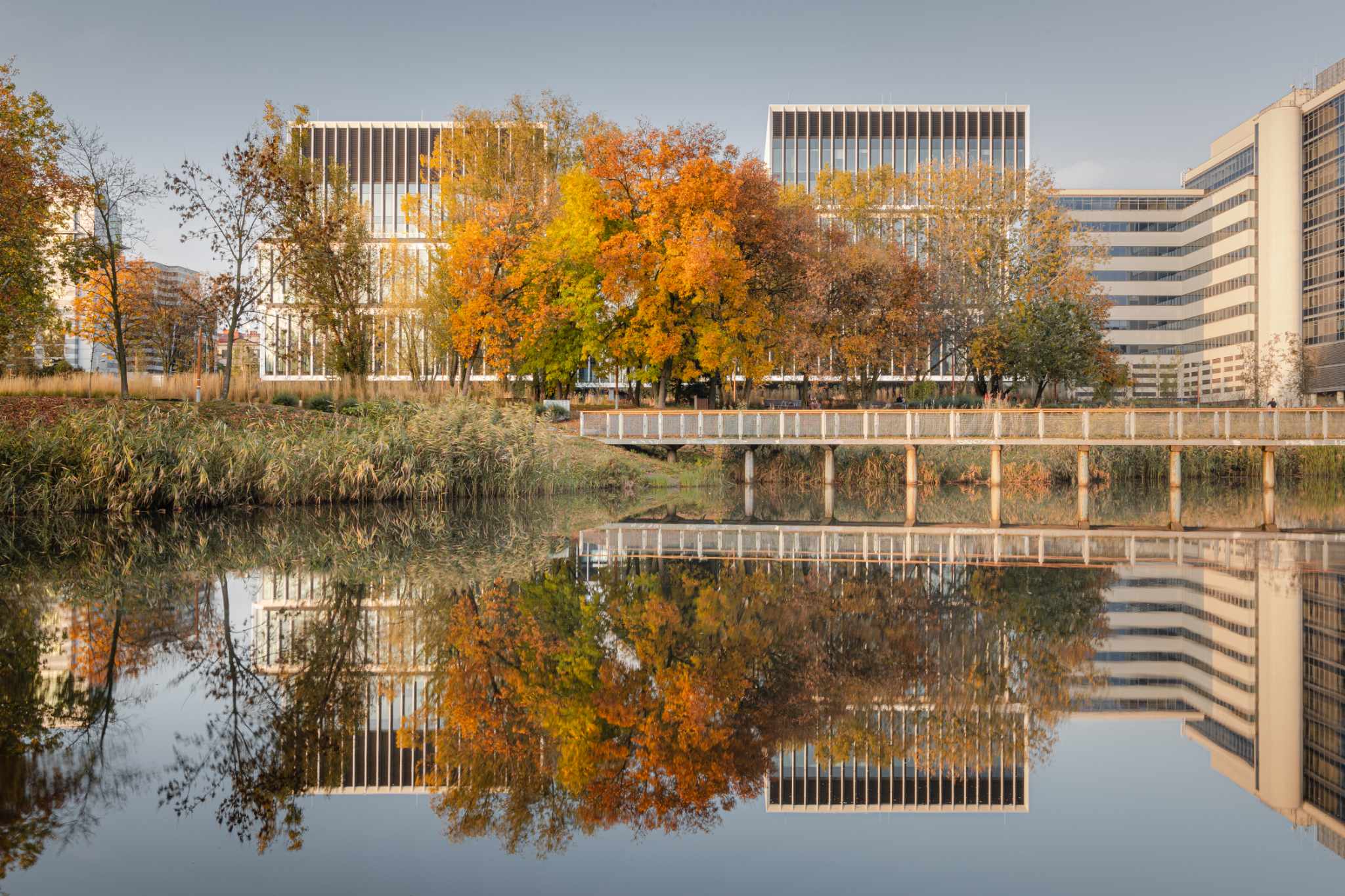
Green infrastructure drives this urban rebirth. The crown jewel is the EU-funded revitalization of the Służewiecki Pond and its surrounding valley, which has successfully restored natural water retention. Equally important is the new Suwak Linear Park—a 20,000 m² recreational green corridor built on formerly neglected land between office buildings, residential blocks, and a railway. With rain gardens, flower meadows, and wooden promenades, it safely reconnects the district for pedestrians and cyclists.
Anchored by the iconic Służewiec Horse Racing Track—a modernist architectural masterpiece and a massive green lung—the district is setting a new European standard. Through public realm upgrades, public-private cooperation, and nature-based solutions, Służewiec is successfully adapting a high-density urban area to climate change while drastically enhancing the quality of life for its residents and workers.
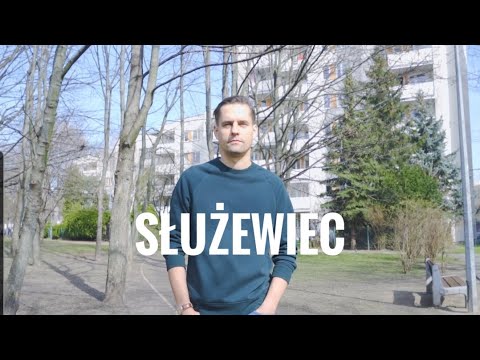
Jakub Kompa – President of Lepszy Służewiec association:
“We are pleased that the urban development process Służewiec is undergoing has been recognized, and it has the opportunity to gain wider recognition among city enthusiasts around the world. Służewiec is a district that has undergone a transformation for the fourth time in the last 50 years. For the first time in history, there’s a chance for this part of Warsaw to become a fully-fledged, more efficient part of the city. We hope that participating in the competition will highlight the work put into the transformation process and allow other cities around the world to learn from our example.”
Future Cities criteria compliance
Environmental & Nature
The district’s environmental strategy prioritizes combating the urban heat island effect through systemic unsealing of concrete surfaces and the development of blue-green infrastructure. The restoration of local ponds expanded water retention capacity by 14,000 m³. Local urban initiatives strongly advocate for replacing concrete parking lots with pocket parks. Furthermore, the majority of new developments adhere to BREEAM and LEED certifications, implementing green roofs, rain gardens, and circular economy practices to support local biodiversity.
Smart City
Służewiec serves as a living lab for smart mobility and urban management. The transition strategy focuses on reducing car dependency by integrating intelligent traffic systems (ITS) and promoting active mobility infrastructure. The district is developing mobility hubs that seamlessly connect tram networks, cycle paths, and shared micro-mobility services. Furthermore, smart environmental sensors monitor air quality, while energy-efficient LED lighting with motion controls reduces energy waste in commercial and public spaces.
Human-Centric
At the core of the district’s long-term strategy is the shift from a 9-to-5 corporate hub to a vibrant, socially cohesive community. This is achieved by introducing “15-minute city” principles: ensuring access to education, local services, and cultural spaces within walking distance. The transformation of former industrial rail tracks into linear parks, the introduction of co-living spaces, and the redesign of ground floors to include cafes are deliberately breaking down the barriers between office workers and new residents, creating a true sense of belonging.