
SEJONG CITY
HOSEO
Korea, Republic of
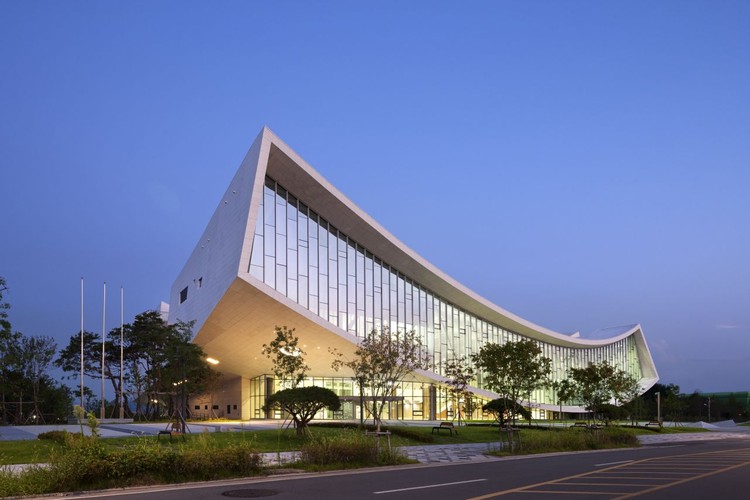
Sejong Special Autonomous City, officially launched in 2012, is a multifunctional administrative city in South Korea, located approximately 120 km south of Seoul. It was established as a key part of the national strategy for balanced regional development and to address the issues of political, economic, and demographic overconcentration in the Seoul Metropolitan Area.
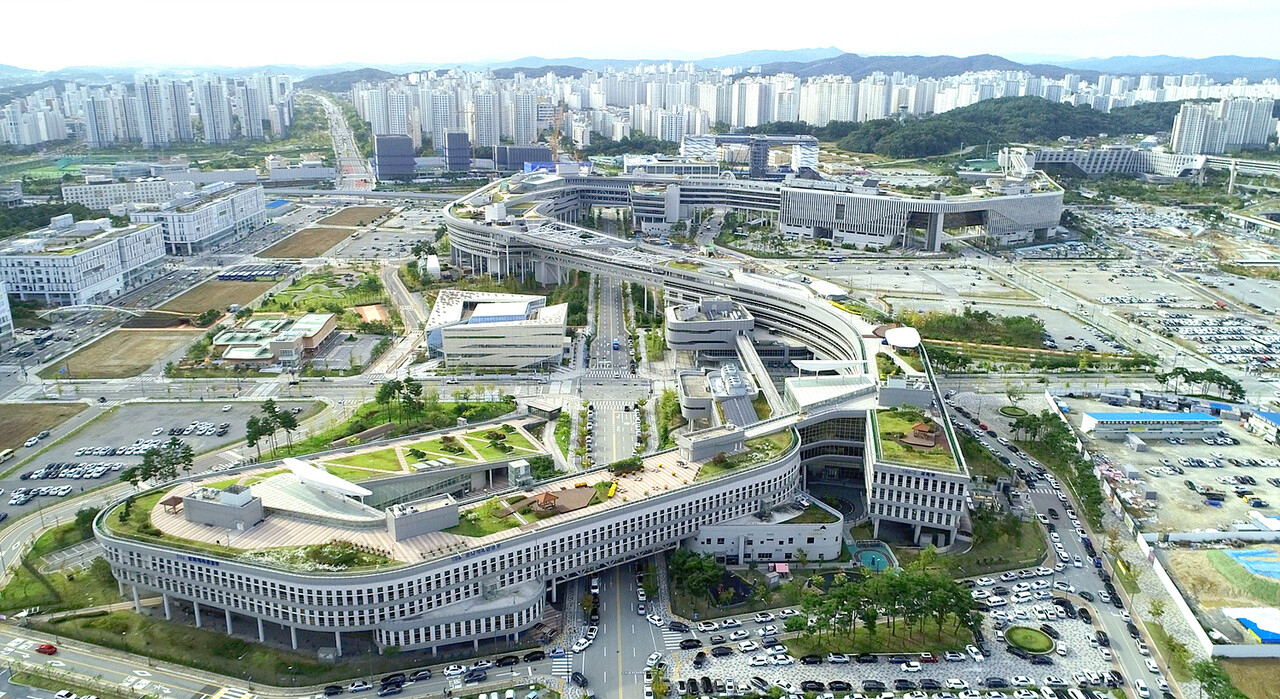
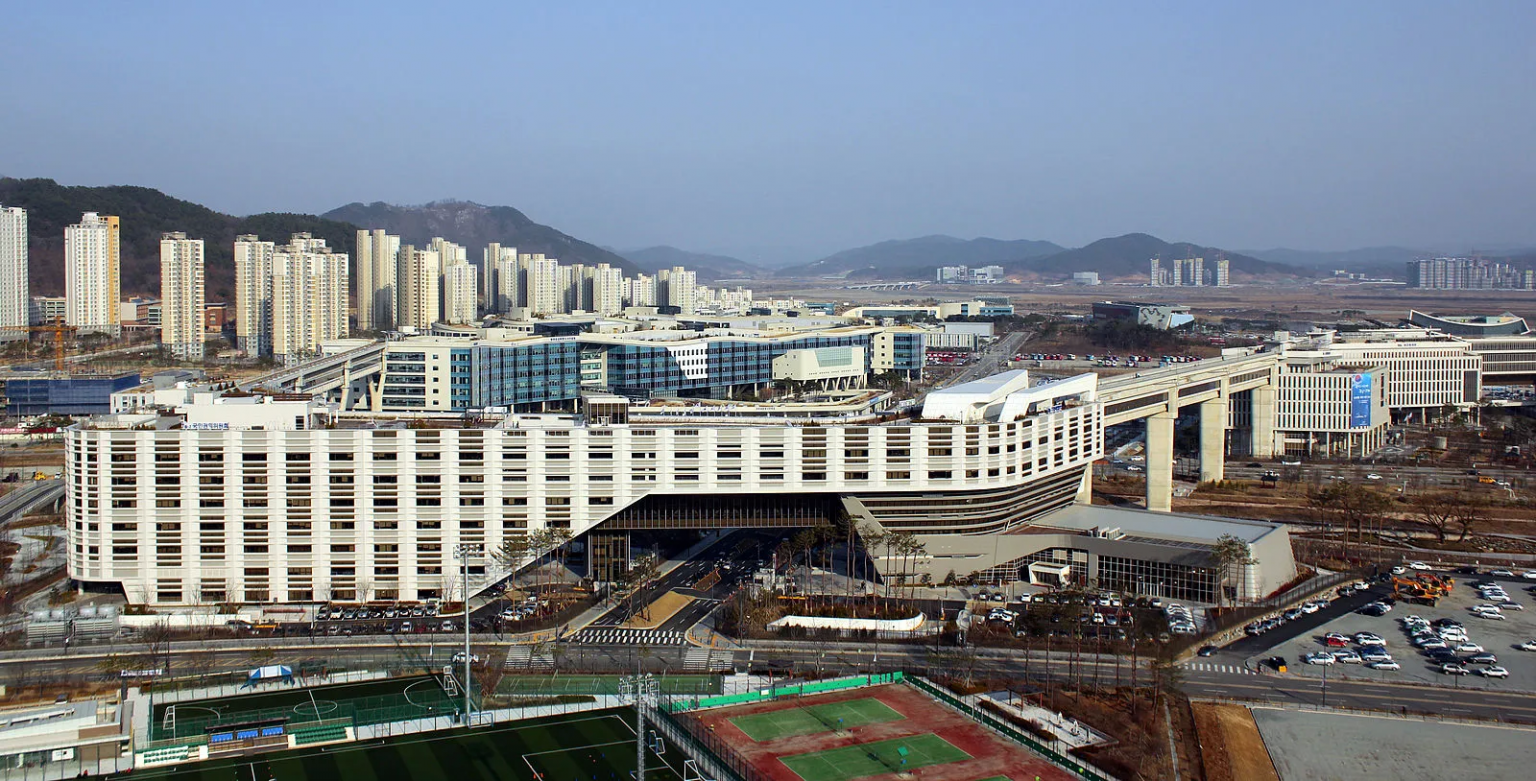
Sejong Special Autonomous City is South Korea’s de facto administrative capital, where most central government ministries relocated from Seoul (2012–2014). This meticulously planned smart city, covering about 465 sq km in the Hoseo region, features a ring-shaped layout integrating administrative, residential, and extensive green spaces. A notable sustainable feature is the world’s largest rooftop garden complex atop the Government Complex Sejong buildings, which connects 15 ministries and incorporates solar panels.
Future Cities criteria compliance
Environmental & Nature
Sustainability is a core goal, aiming for an eco-friendly, zero-energy urban environment. The city’s ring-shaped plan dedicates over 50% of its land to green spaces, parks, and natural wetlands (like Sejong Lake Park), with residential areas highly integrated with nature. Energy efforts focus on achieving high renewable energy penetration, primarily through integrated solar energy systems. Sustainable transportation is promoted via a high-efficiency Bus Rapid Transit (BRT) and extensive bicycle networks.
Smart City
Sejong is designed as an ICT-based smart city, utilizing Fourth Industrial Revolution technologies to enhance efficiency. Key features include smart infrastructure like automated waste collection and electric vehicle charging stations. It plans to establish an Integrated Data AI Centre for urban data analysis. Transportation innovations encompass self-driving shuttles, P2P shared parking, and AI Traffic Control (Smart Signal Control), with the use of drones for real-time monitoring.
Human-Centric
It emphasises a citizen-centric paradigm, prioritizing quality of life over mere technological efficiency. Its smart operating model is digital, open, and collaborative, integrating resident demands into service development (ISO 37106 standard). Focus areas include safety, cleanliness, and supportive services, such as one-stop childcare, contributing to its recognition as a women-friendly and child-friendly city. The vision promotes a decentralized system where technology supports safety and happiness through citizen participation.
Interesting Links
Links to external websites and video features available for cities and developments that apply and are accepted as Official Participants: click here to apply