
QUITO INAQUITO & VALLE DE LOS CHILLOS ECO-NODES
QUITO
Ecuador
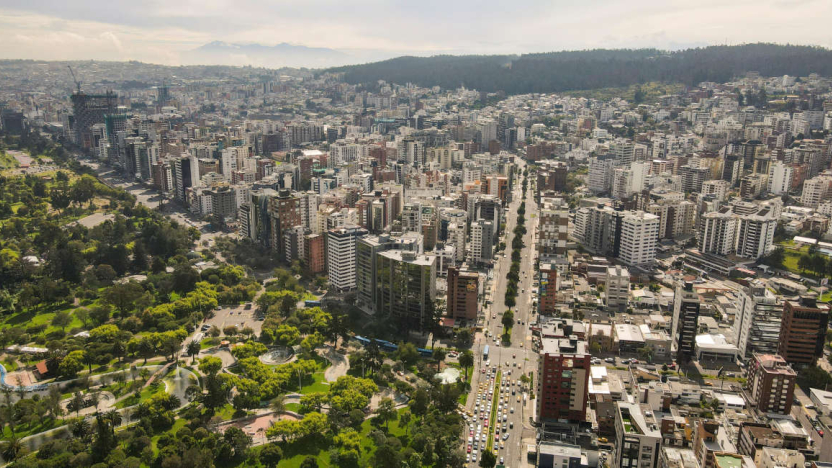
The Inaquito & Valle de los Chillos Eco-Nodes show Quito’s dual strategy of growing upward in the city centre while protecting its natural edges. Inaquito is becoming a dense, transit-oriented district supported by the new Metro. Valle de los Chillos acts as an ecological and residential balance, preserving green areas like Ilaló. New smart mobility links connect both zones to the capital.
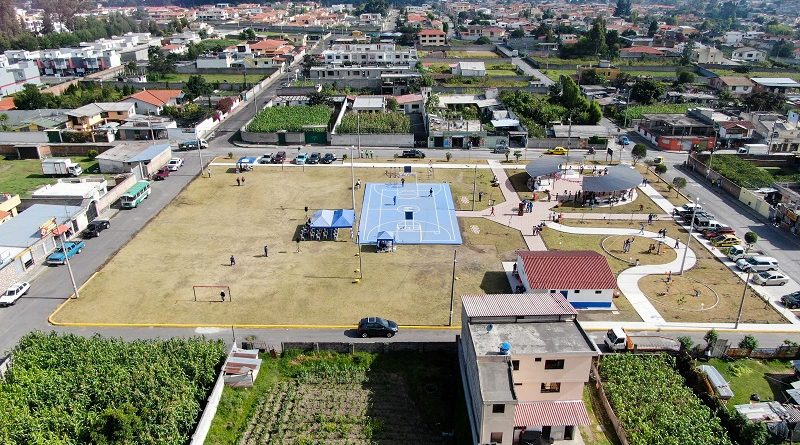
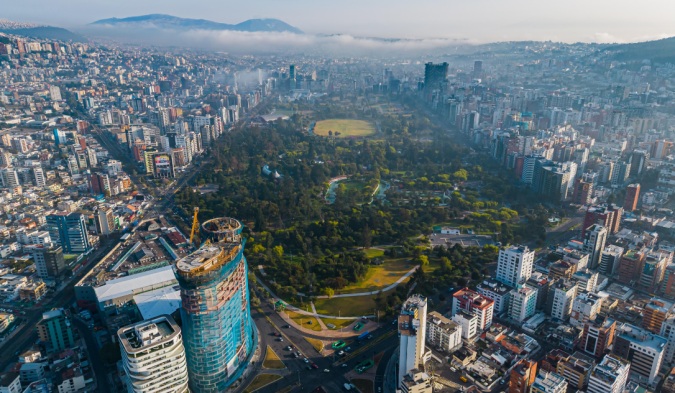
Inaquito is Quito’s financial hub, guided by a plan that promotes high-density, mixed-use buildings and anchors like Parque La Carolina and the 125-hectare Parque Bicentenario. Valle de los Chillos, southeast of the city, acts as a suburban eco-district with sites such as Molinuco, Ilaló, and Pasochoa. Current planning focuses on managing rapid growth while protecting these key natural areas.
Future Cities criteria compliance
Environmental & Nature
The Metro is expected to cut Quito’s CO₂ emissions by 67,000 tonnes annually. Valle de los Chillos preserves the Río Pita and Ilaló ecological zones to buffer climate impacts. Parque Bicentenario recycles 125 hectares of old runway into green space with native plants and art installations.
Smart City
The Iñaquito Metro Station serves as a smart mobility hub, linking the district to Valle de los Chillos via a dedicated bus route and reducing car use. An underground cabling project modernises the area, removing tangled wires to improve safety and urban aesthetics.
Human-Centric
In Rumiñahui, the “Misión Social” programme offers inclusive health and rehab services for vulnerable groups. Inaquito’s plan ensures new developments provide public spaces and social housing, keeping the district accessible. Improved roads and transit links connect the valley to the city, reducing commute times and enhancing work-life balance.
Interesting Links
Links to external websites and video features available for cities and developments that apply and are accepted as Official Participants: click here to apply