
PORTO MARAVILHA
RIO DE JANEIRO
Brazil
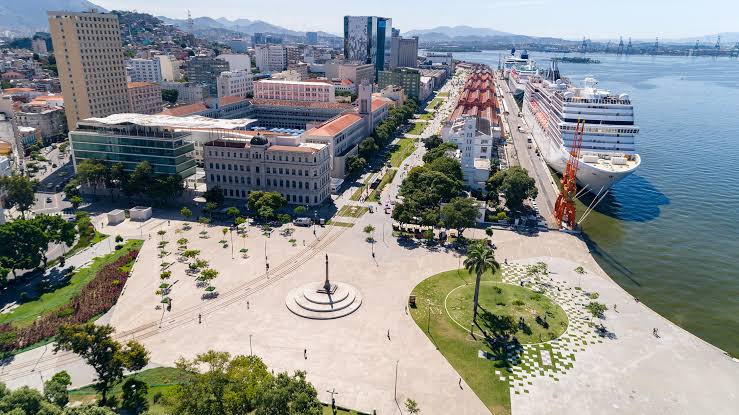
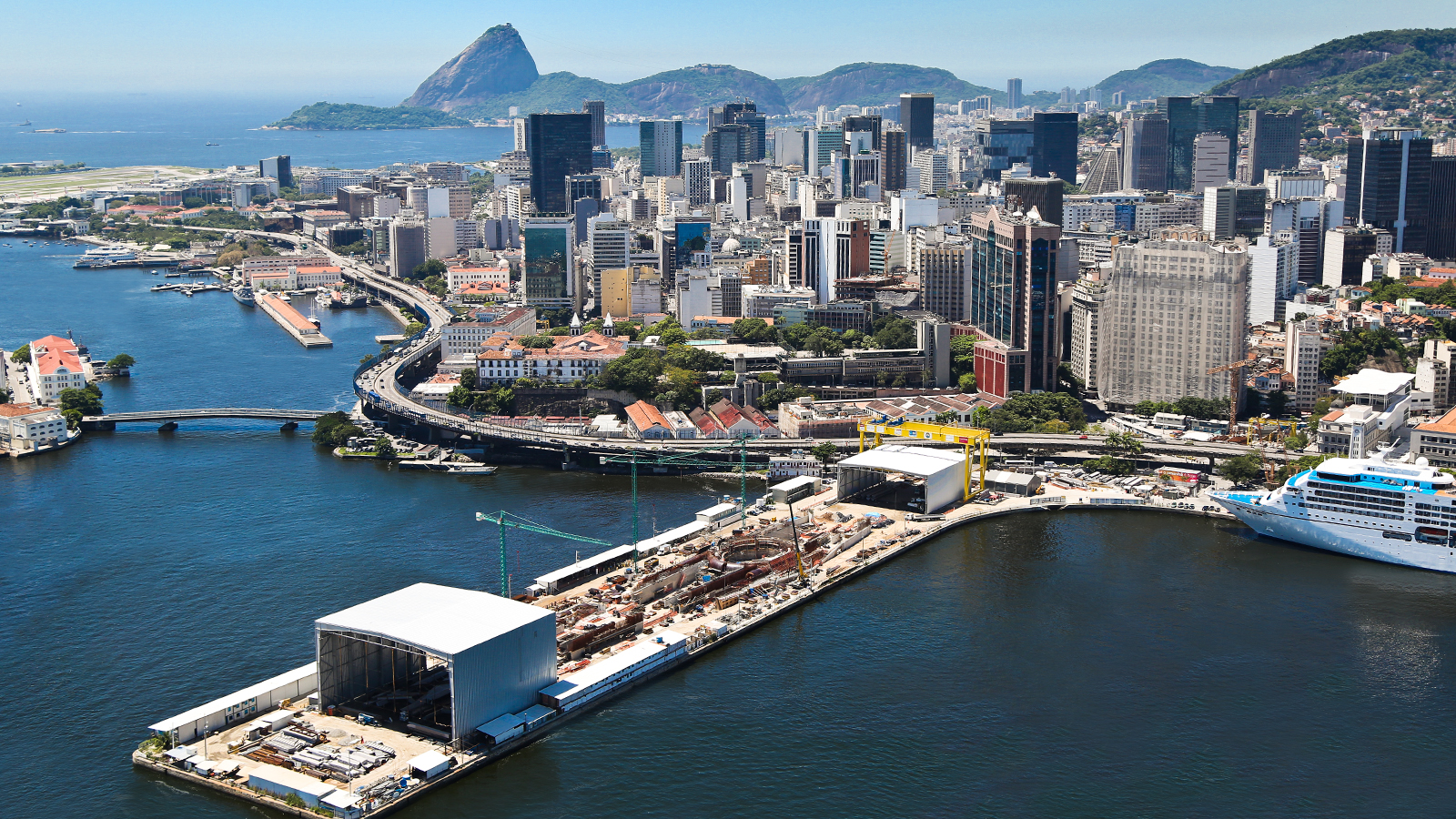
Porto Maravilha in Rio de Janeiro, Brazil, is a large-scale urban regeneration project transforming the city’s historic port district into a vibrant mixed-use area. The initiative aims to revitalize the waterfront with improved infrastructure, public spaces, and cultural heritage preservation, fostering economic growth and social inclusion.
The Porto Maravilha Project is a significant urban revitalization initiative in Rio de Janeiro’s Port Region, established as a Joint Urban Operation (OUC) via Municipal Law 101 of 2009. Covering approximately 5 million m², this collaboration between the Municipal Public Authority and the private sector is led by the municipal company CDURP (Urban Development Company of the Port Region of Rio de Janeiro). The project aims to transform the historically industrial and derelict area into a vibrant, technology-driven, mixed-use district centred on innovation, housing, culture, and green space.
Future Cities criteria compliance
Environmental & Nature
Core pillar is sustainability, the revitalization replaced decaying infrastructure with modern systems (e.g., sewage, drainage) designed for climate resilience. The Mata Maravilha project intensifies this by restoring native vegetation and creating a regenerative green space, combining environmental restoration with urban innovation. Moreover, the mobility plan with bike paths and reduced reliance on cars supports low-carbon transport.
Smart City
Porto Maravilha is positioning itself as a technology and innovation hub. Through POMAR, the district brings together academic institutions (like IMPA) and startups to foster innovation, especially in mathematical sciences and tech entrepreneurship. CCPar and Rio’s city government are leveraging this hub to attract investment, retain talent, and build a “knowledge-dense” economy in the port region.
Human-Centric
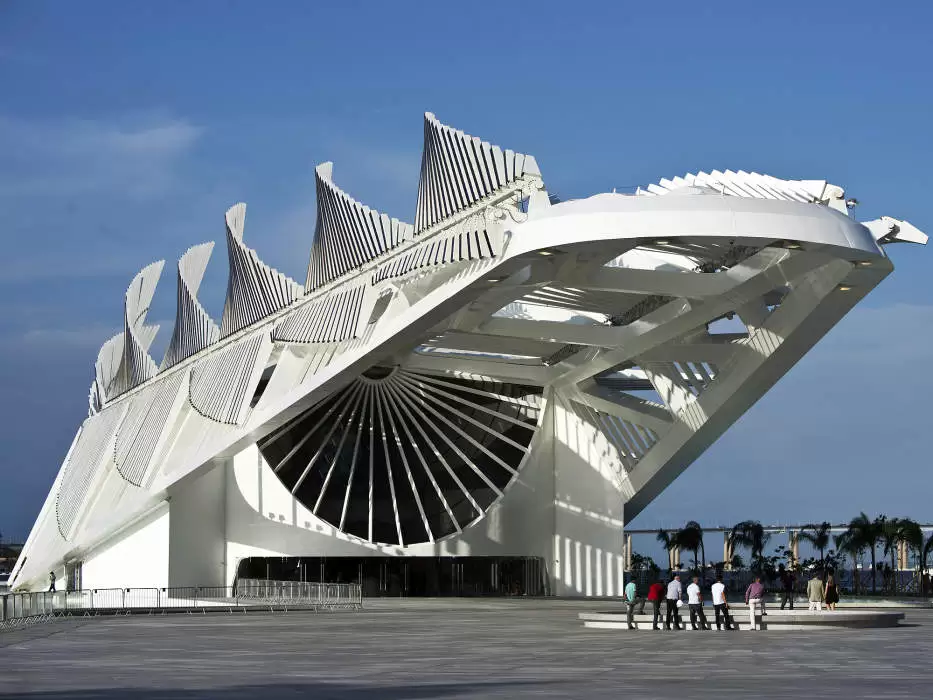
Porto Maravilha is designed around people: it offers new housing options so that more people can live in downtown Rio. Cultural landmarks like the Museum of Tomorrow and the Rio Art Museum (MAR) contribute to civic life and identity. By reintroducing green spaces and better mobility (pedestrian promenades, bike lanes), the project improves accessibility, well-being, and public interaction in what was once a disconnected port zone.
Interesting Links
Links to external websites and video features available for cities and developments that apply and are accepted as Official Participants: click here to apply