
PARQUE DAS NAÇÕES
LISBON
Portugal
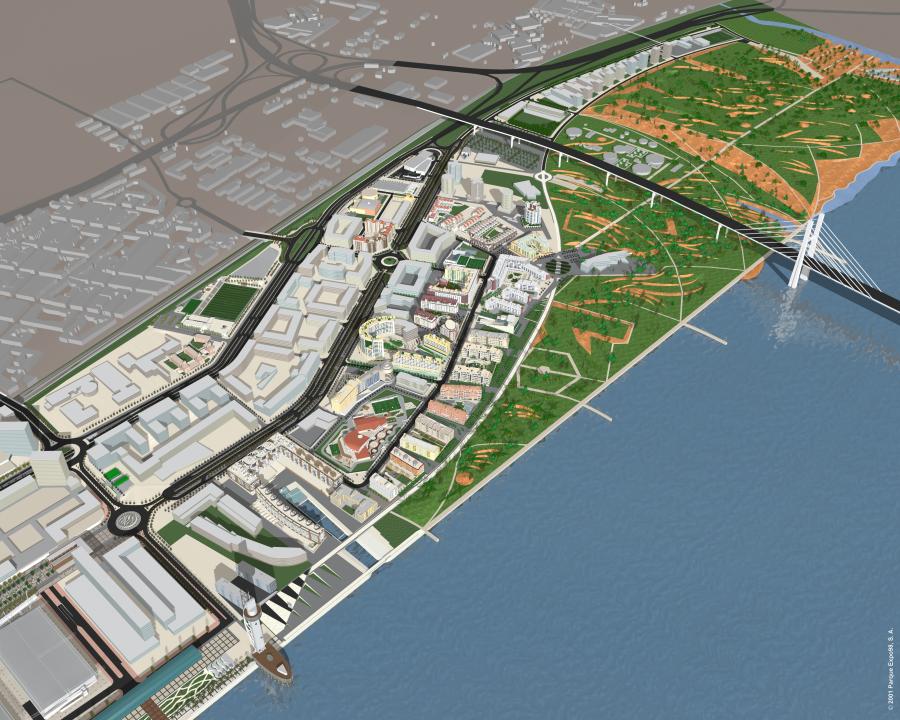
Parque das Nações is a major waterfront redevelopment in Lisbon, established on the former site of the Expo 98 (1998 World Exposition). The area transitions from an industrial and derelict zone to a modern urban district integrating residences, offices, leisure, cultural venues, and river-front green parks. The redevelopment also ties into city-wide efforts to improve the riverside front, linking mobility, ecology and public space.
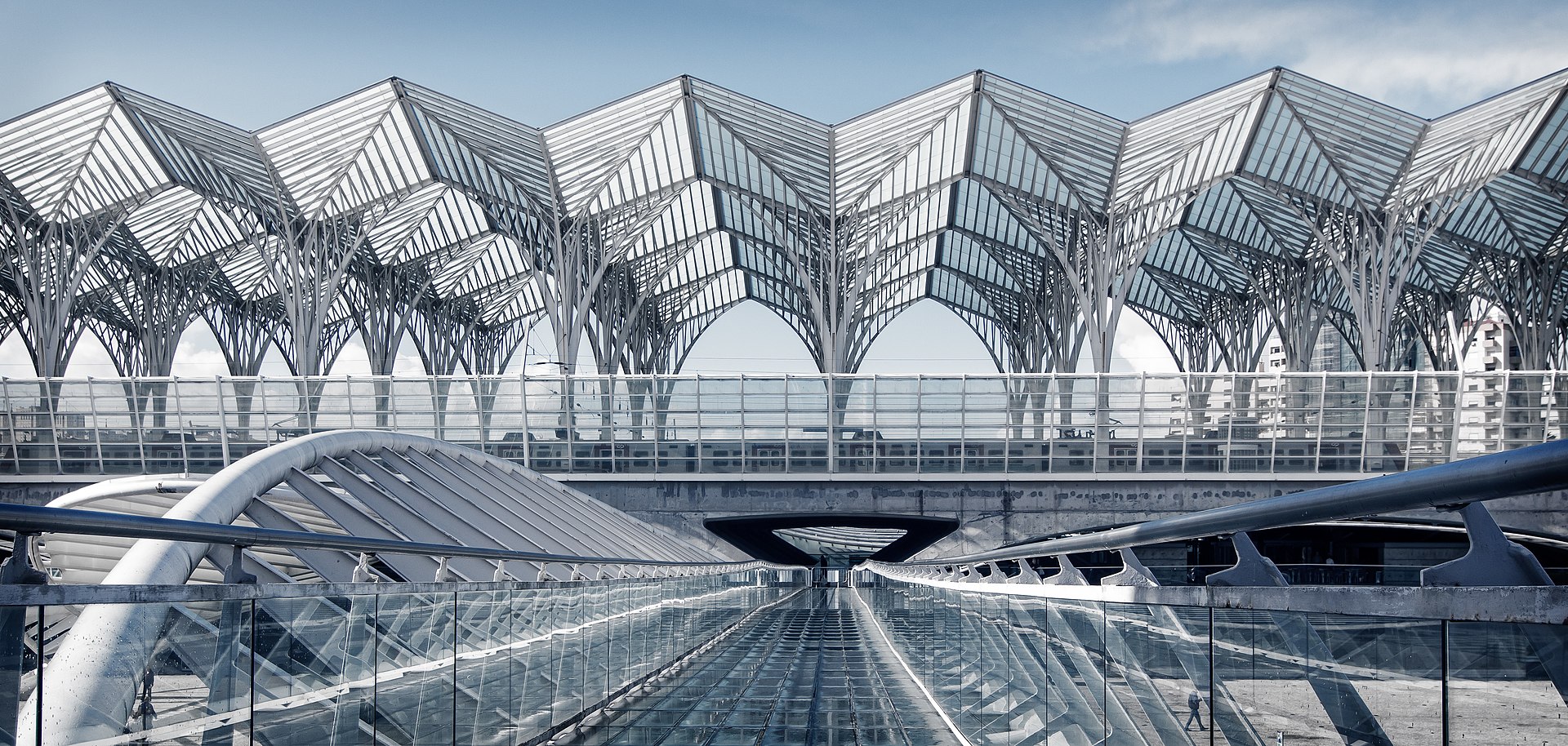
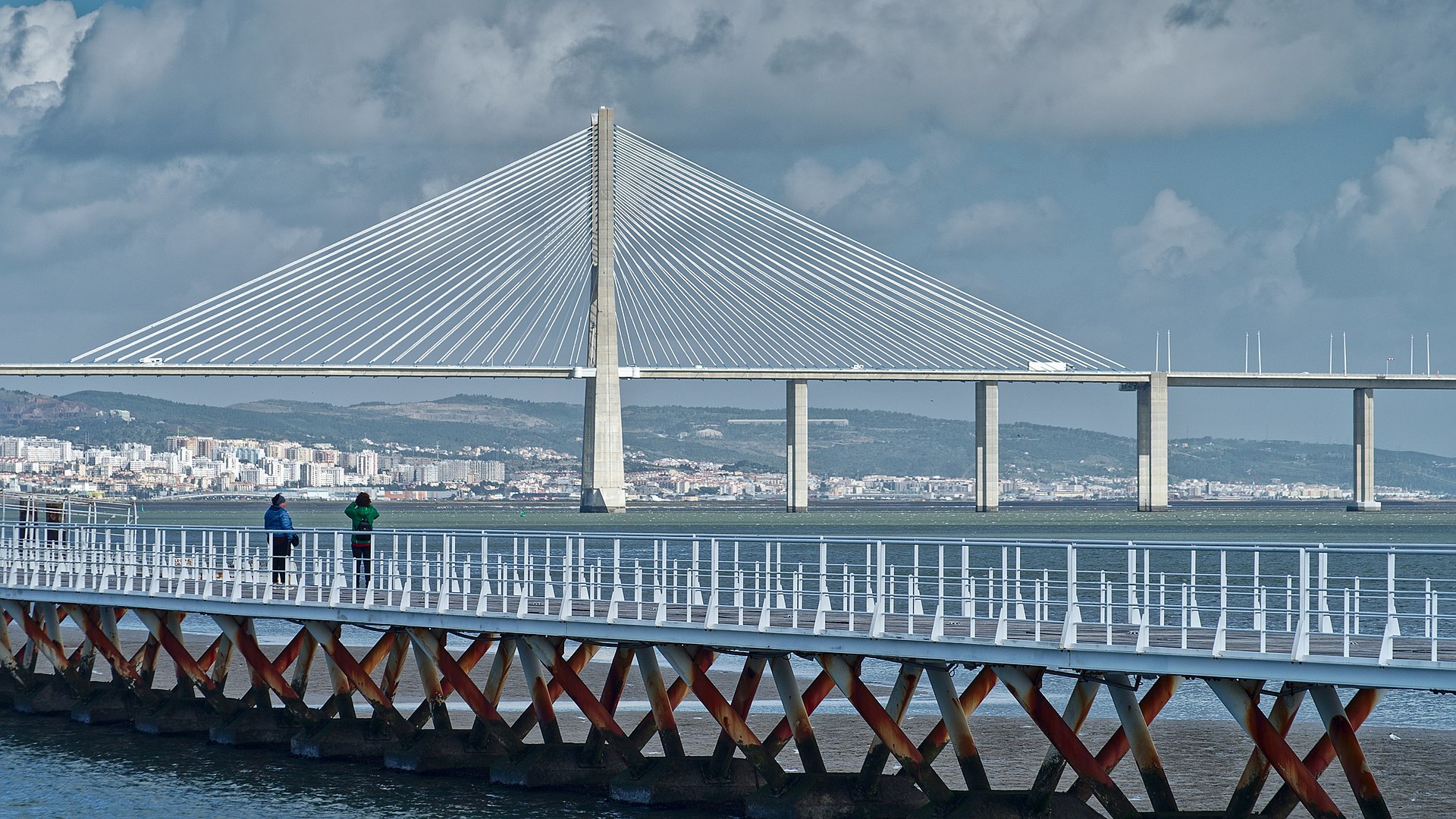
Lisbon’s Parque das Nações, situated along the Tagus riverfront in the city’s eastern zone, is a successful urban renewal project characterized by its focus on public amenity and modern infrastructure. It is the highly successful, modern district created by the Expo ’98 urban regeneration project. The event drove the complete transformation of a polluted, derelict industrial riverfront into a modern, high-quality residential, commercial, and leisure hub. Built by the state-owned Parque Expo, S.A., Spanning over 5.4 square kilometers, the district includes landmarks like the Vasco da Gama Tower, Altice Arena, and the Lisbon Oceanarium.
Future Cities criteria compliance
Environmental & Nature
Transforming a former industrial site, the project introduced green areas that boost biodiversity and link to the city’s ecological network. Parque das Nações integrates smart urban systems such as an automated vacuum waste-collection network serving thousands of homes, reducing truck traffic and lowers emissions, while the riverside green corridor supports flood management, recreation, and urban–nature connectivity.
Smart City
The area integrates smart urban systems, including digital infrastructure for efficient public services, transportation management, and environmental monitoring. The riverside redevelopment also connects to Lisbon’s green-corridor and mobility programs, using data-driven planning to enhance public-space flows and ecological restoration.
Human-Centric
Designed for people, Parque das Nações features riverfront promenades, gardens, cycling paths, and leisure amenities that foster community well-being. Its pedestrian-friendly planning reconnects Lisbon with the Tagus River and prioritizes accessible, sustainable mobility over private car use. It offers green promenades and extensive parks along the Tagus River, with infrastructure supporting biking, jogging, and leisure, enhanced by urban forestry and water-sensitive design.
Interesting Links
Links to external websites and video features available for cities and developments that apply and are accepted as Official Participants: click here to apply