
OPTICS VALLEY
WUHAN
China
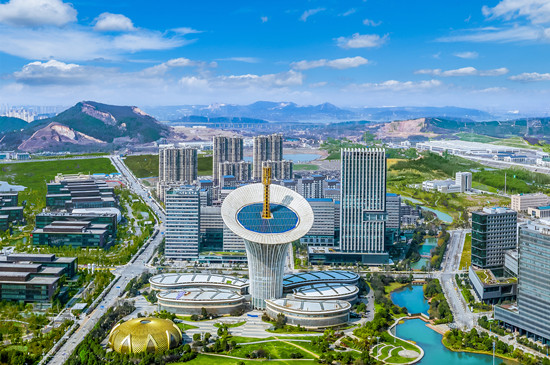
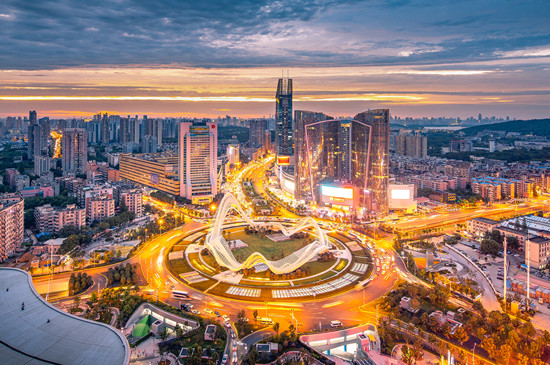
Wuhan Optics Valley, also known as Donghu New Technology Development Zone, is a prominent high-tech industrial park in Wuhan, China, established in 1988 and officially designated as Optics Valley by the Chinese government in 2011. It has evolved into a global hub for optoelectronics and information technology industries, hosting over 1,600 registered companies and positioned as a trillion-yuan industrial cluster driving Wuhan’s technological and economic growth.
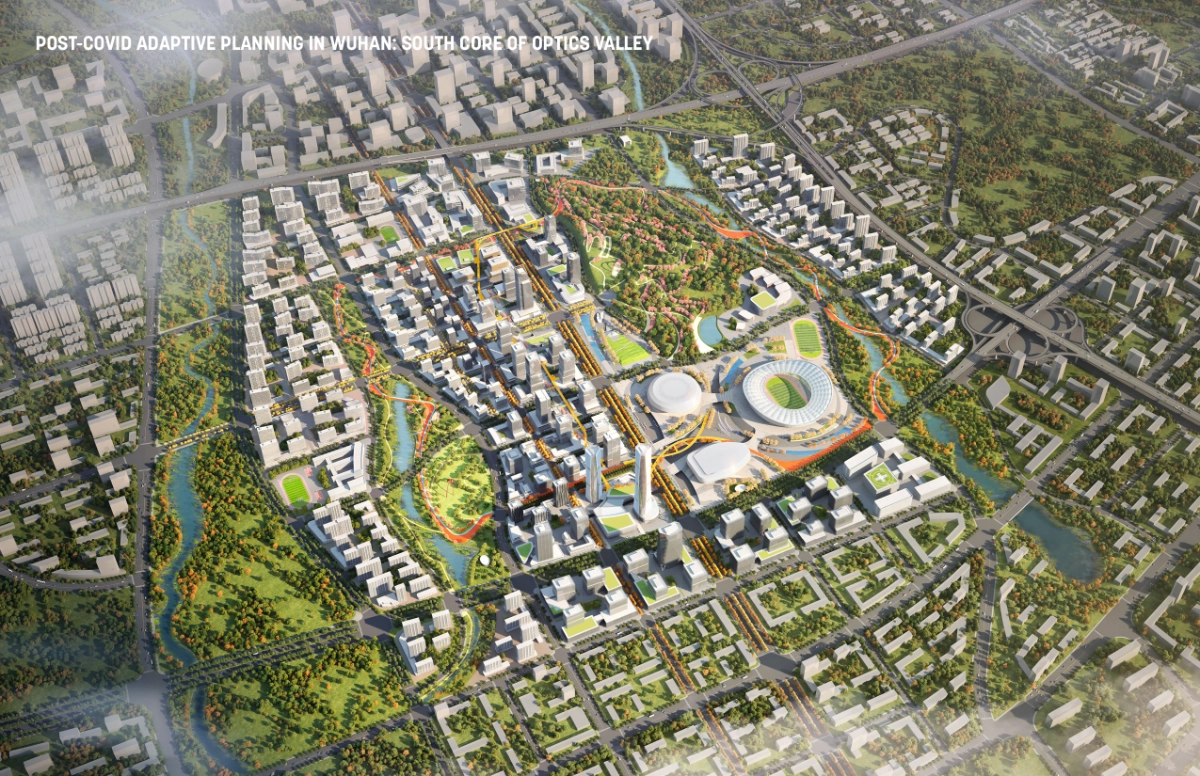
The district comprises integrated innovation centres, industry parks, R&D facilities, commercial and residential areas, and cultural venues. It features large-scale developments like Wuhan Software New City and Huashan New Eco-city, which combine industry with urban life. The area hosts digital economic clusters specializing in big data, AI, cloud computing, and software services, with infrastructure supporting scientific research, business offices, exhibitions, and residential accommodation.
Future Cities criteria compliance
Environmental & Nature
Sustainability is central, with urban design featuring multidimensional green spaces like the Lively Green Loop, permeable pavements, rain gardens for stormwater management, and ecosystem restoration, enhancing biodiversity and urban resilience. The district prioritises energy efficiency, climate response, and ecological balance, fostering the coexistence of humans and nature.
Smart City
Wuhan Optics Valley employs cutting-edge technologies, including IoT, AI, big data, and 5G to support smart urban management and digital economic activities. Initiatives such as City Cloud promote intelligent governance, with real-time monitoring systems, smart lighting, and integrated transport management. The development of AI computing centres and advanced photonics R&D facilities underscores its technological prominence.
Human-Centric
The master plan promotes a 15-minute walkable community life circle integrating diverse amenities, parks, open spaces, and urban plazas. Design principles focus on creating vibrant, inclusive environments supporting wellbeing, safety, and social connection. Flexible street furniture, shaded seating areas, and public art help create a culturally rich, engaging urban experience.
Interesting Links
Links to external websites and video features available for cities and developments that apply and are accepted as Official Participants: click here to apply