
OLYMPIC VILLAGE
VANCOUVER, BRITISH COLUMBIA
Canada
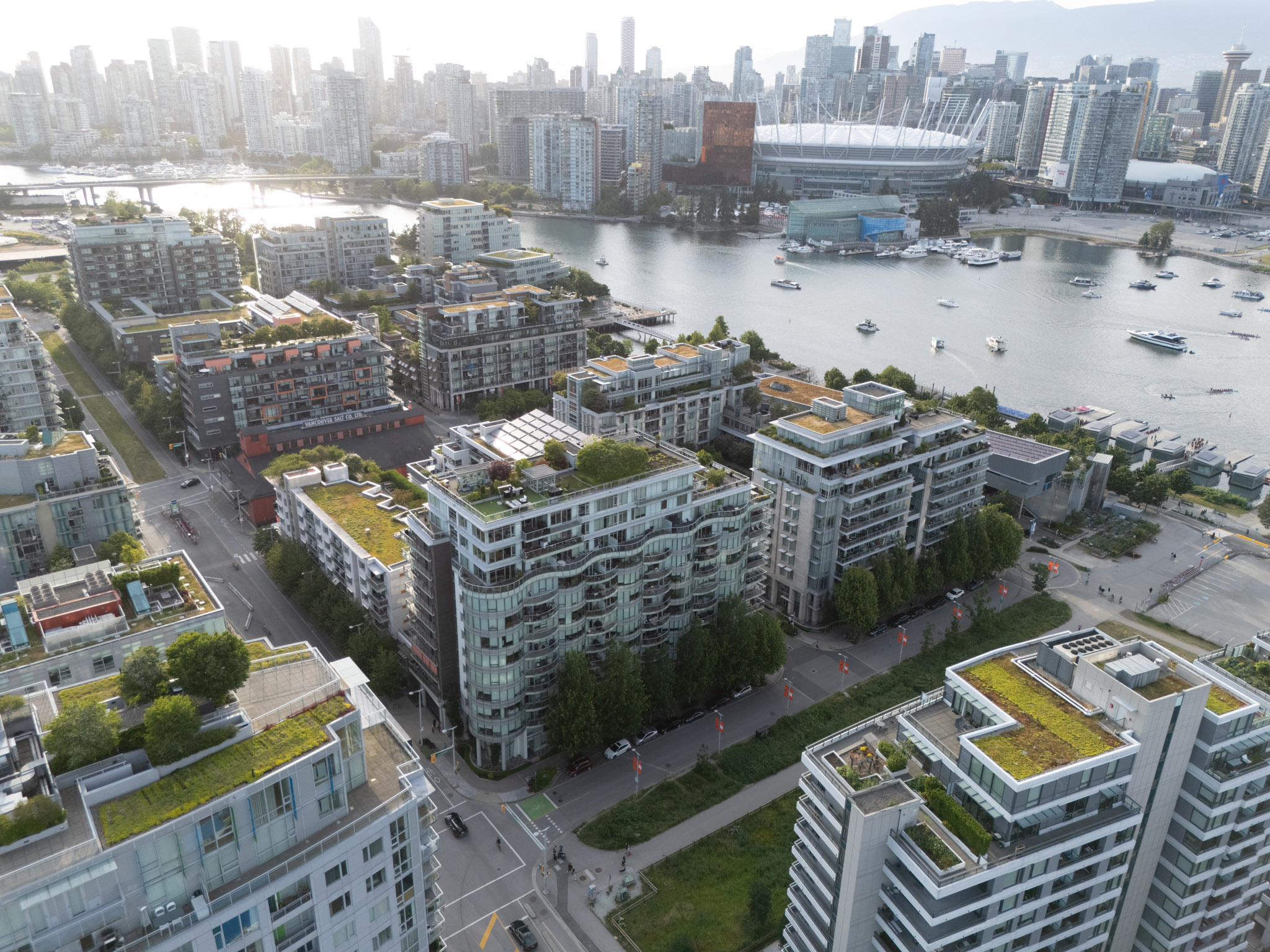
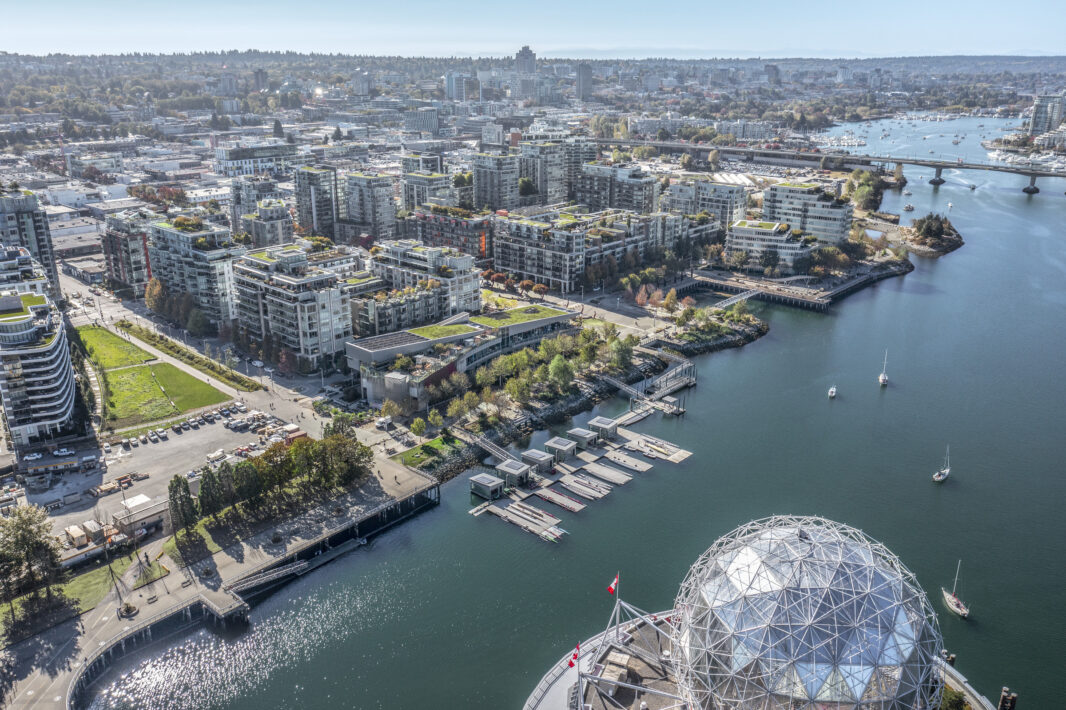
The Vancouver Olympic Village, situated in the Southeast False Creek (SEFC) neighbourhood, is a landmark urban regeneration project centred on sustainability. Originally built to accommodate athletes during the 2010 Winter Olympics, it has since been transformed into a permanent, high-density, mixed-use community. Guided by the vision of creating a “sustainable urban demonstration project,” it set new benchmarks for green building design, energy efficiency, and liveability, establishing one of North America’s most advanced examples of sustainable urbanism.
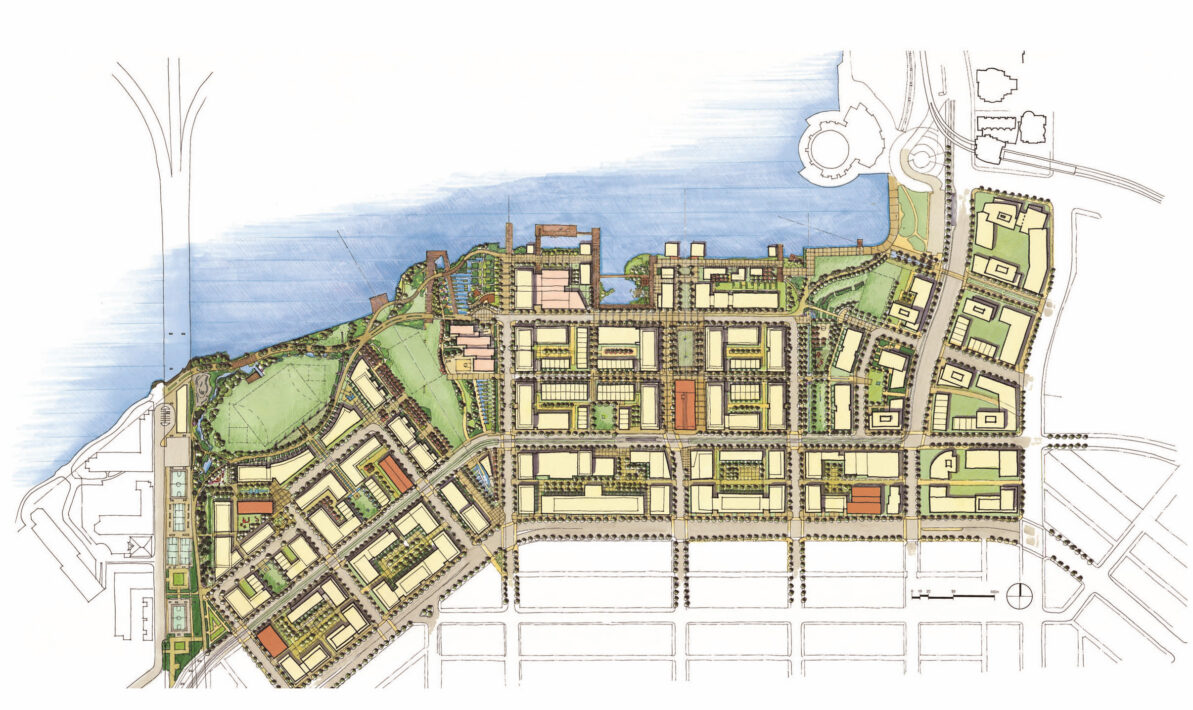
Located on a former industrial brownfield along the False Creek waterfront, just south of downtown Vancouver, the approximately 32-hectare SEFC development is a partnership between the City of Vancouver and private developers. It blends market and non-market housing, commercial spaces, parks, and community amenities to create a vibrant, inclusive waterfront neighbourhood.
Future Cities criteria compliance
Environmental & Nature
Defined by sustainability, setting a global benchmark for green building. All residences meet at least LEED Gold, with several achieving LEED Platinum. It includes extensive green roofs for stormwater management and habitat creation, rainwater harvesting for toilet flushing and irrigation, and advanced energy-efficient envelope designs that cut overall energy use by 30–50%, establishing the village as a model for sustainable urban living.
Smart City
The core technological innovation of the Vancouver Olympic Village is the False Creek Neighbourhood Energy Utility (NEU), a centralized district energy system that recovers waste heat from sewage to supply over 70% of heating and domestic hot water needs. Supported by smart grid infrastructure and building automation systems, the NEU exemplifies Vancouver’s leadership in integrating clean technology and sustainable energy solutions into urban development.
Human-Centric
The planning centres on creating an accessible, inclusive, and highly liveable waterfront community. The design is transit-oriented, providing direct access to the Canada Line (subway) and prioritizing walking, cycling, and public transit. Crucially, the SEFC development included a mandatory 20% of all residential units dedicated to non-market, affordable, or social housing, ensuring a diverse, mixed-income community. Extensive public amenities, including community centres, plazas, and the redeveloped waterfront park and seawall, foster strong community interaction and prioritize public realm.
Interesting Links
Links to external websites and video features available for cities and developments that apply and are accepted as Official Participants: click here to apply