
NEW TASHKENT CITY
TASHKENT
Uzbekistan
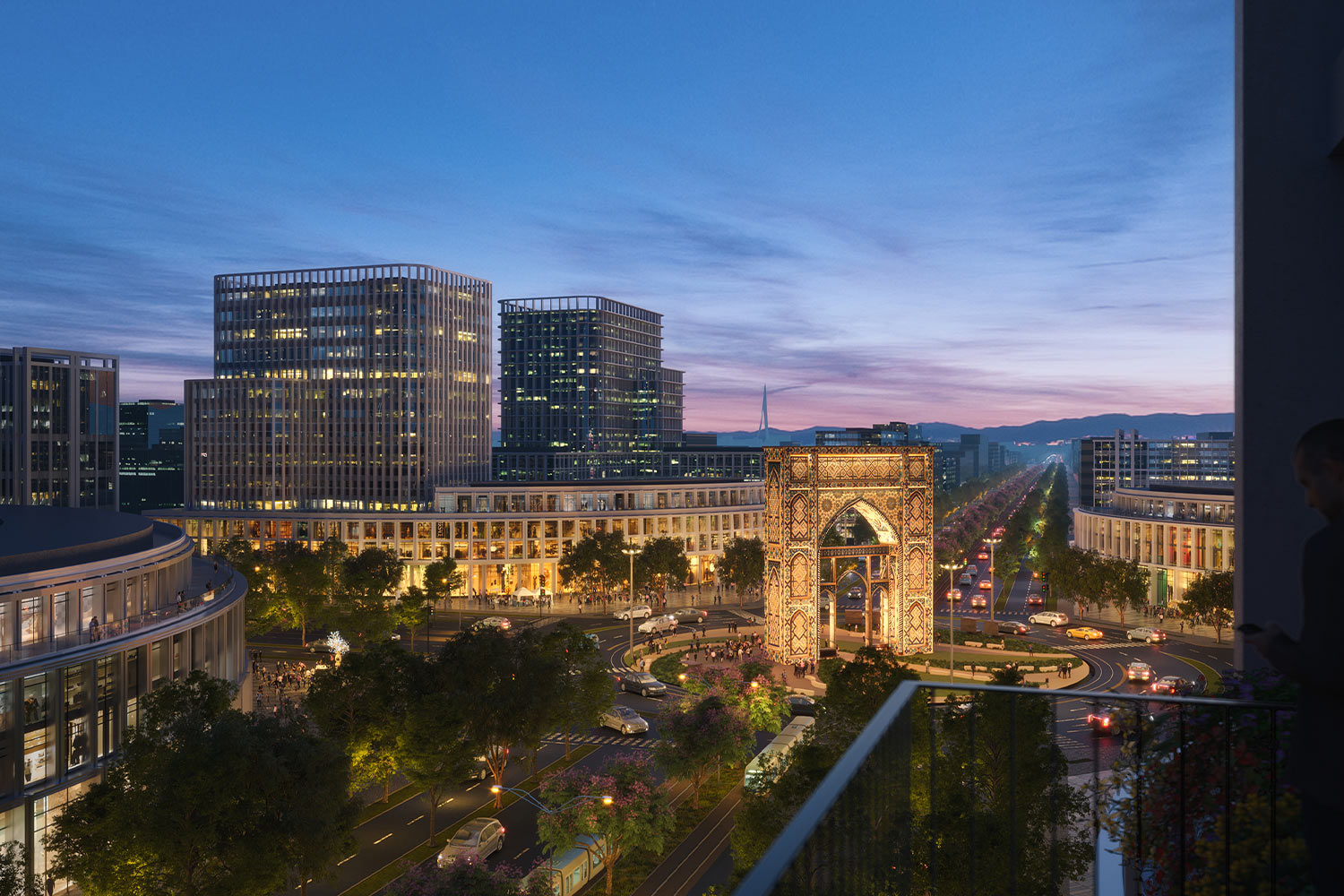
New Tashkent City in Uzbekistan is an ambitious, large-scale urban development project designed to become a modern, sustainable, and smart capital extension. The project emphasizes integrated technology, environmental sustainability, and human-centric urban planning to create a high-quality living and working environment for about 2.5 million future residents. It is envisaged as a green and accessible city providing economic, social, and cultural benefits aligned with Uzbekistan’s future development goals.
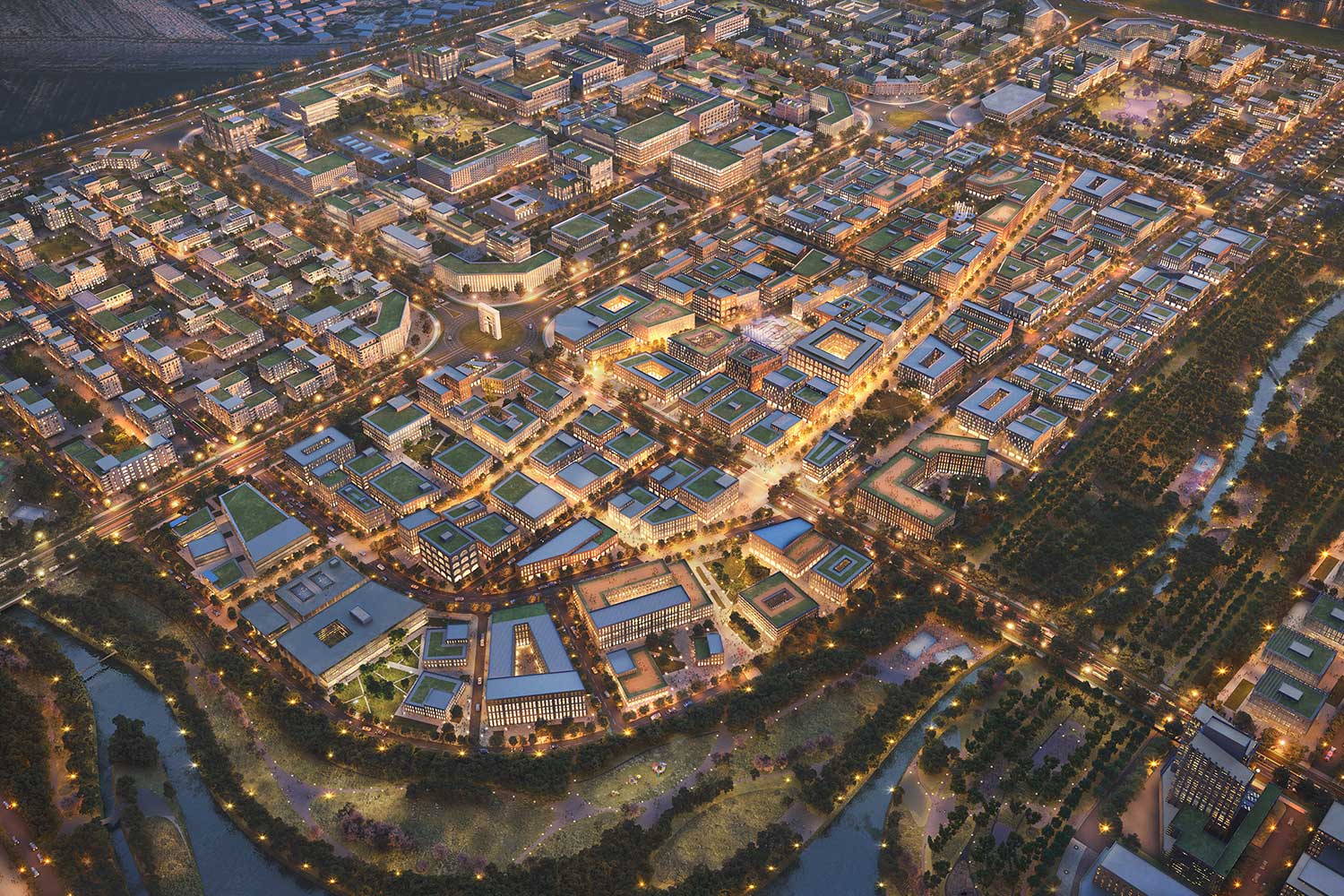
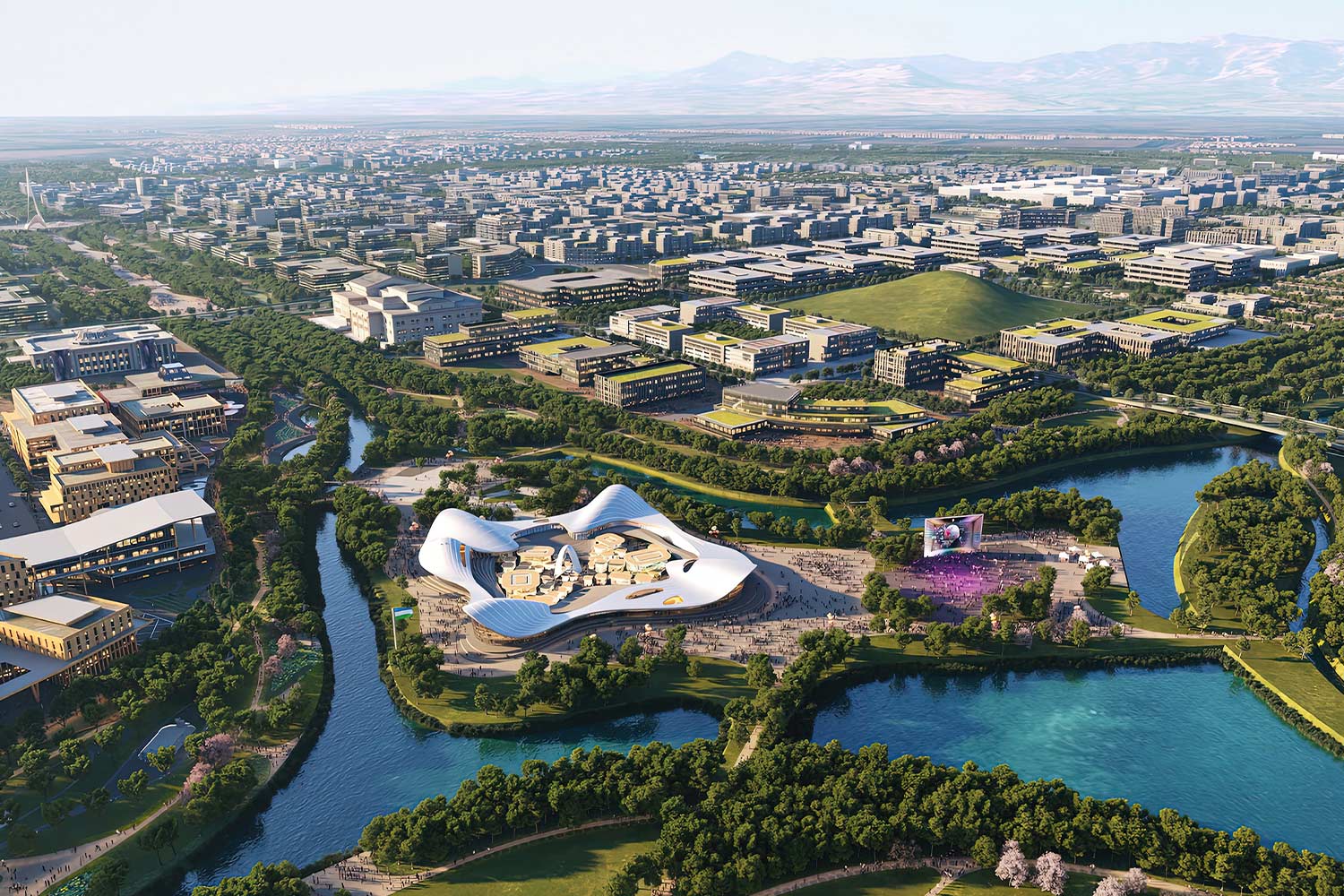
It is being built on a greenfield site east of the current capital, nestled between the Chirchiq and Qorasuv rivers. The first phase of development covers approximately 6,000 hectares and is planned to accommodate 600,000 residents. The New Tashkent master plan, developed with international experts like those from the UK’s Cross Works and Buro Happold, integrates forward-thinking concepts to establish a new city center. This core area is specifically designed to host significant institutions, including the Presidential Administration and Government Ministries, as well as major universities, research hubs, financial, commercial, and logistics centers.
Future Cities criteria compliance
Environmental & Nature
It is designed as an eco-friendly “garden city” with over 20% of land dedicated to green spaces, including parks, green corridors, and shaded pedestrian routes. It features an artificial canal system inspired by ancient irrigation, plans to plant 200,000 trees, and incorporates energy-efficient buildings and clean electric transport to minimize its environmental impact.
Smart City
New Tashkent City integrates advanced digital infrastructure with smart city technologies like IoT systems, smart grids, and data-driven governance to efficiently manage resources, security, and public services. It emphasizes seamless connectivity and innovation hubs to foster knowledge exchange and economic growth while supporting both local and international cooperation.
Human-Centric
Urban planning promotes a balance of comfortable living, workspaces, and recreation. It encourages walkability, extensive public transport, and accessible social services like education and healthcare. The design supports community interaction and safety, blending modern living with traditional Uzbek “mahalla” communities to create a harmonious city.
Interesting Links
Links to external websites and video features available for cities and developments that apply and are accepted as Official Participants: click here to apply