
ÎLE DE NANTES
NANTES
France
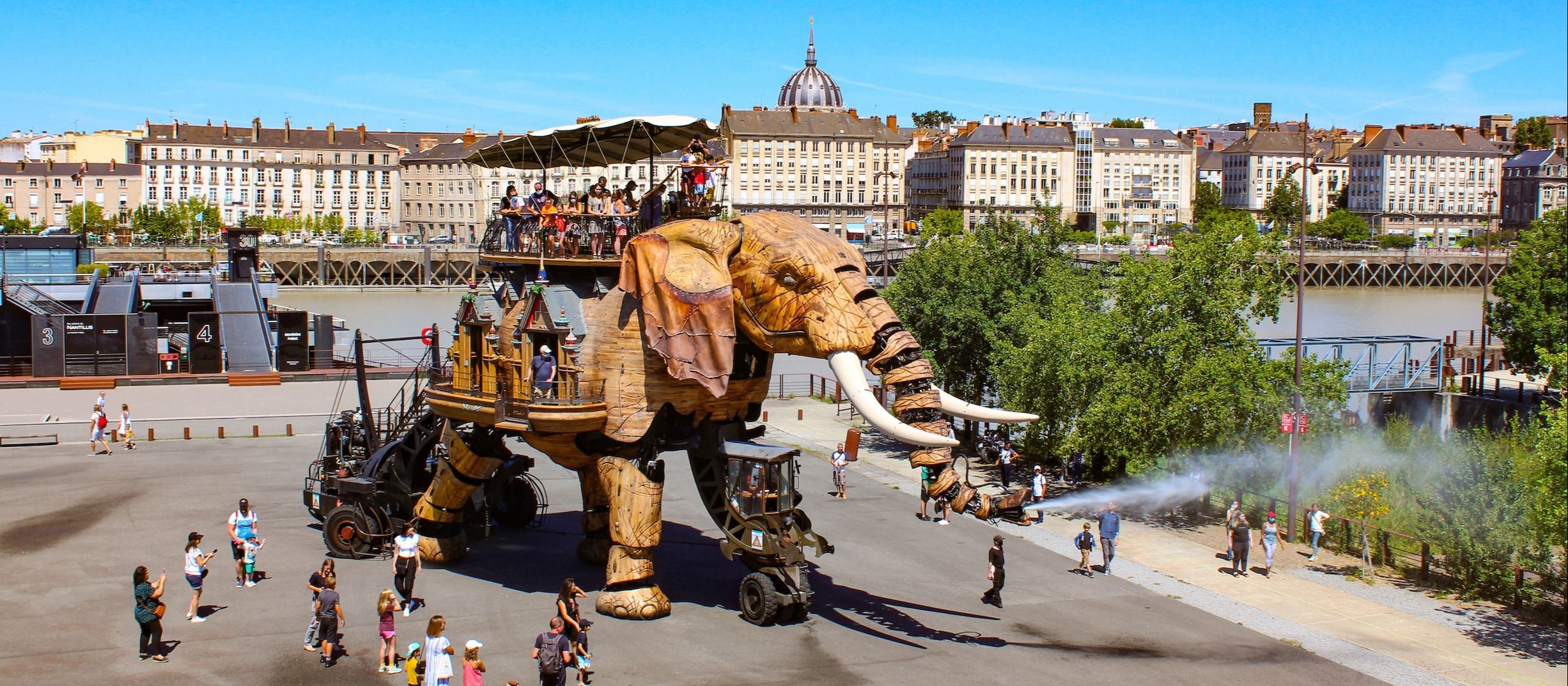
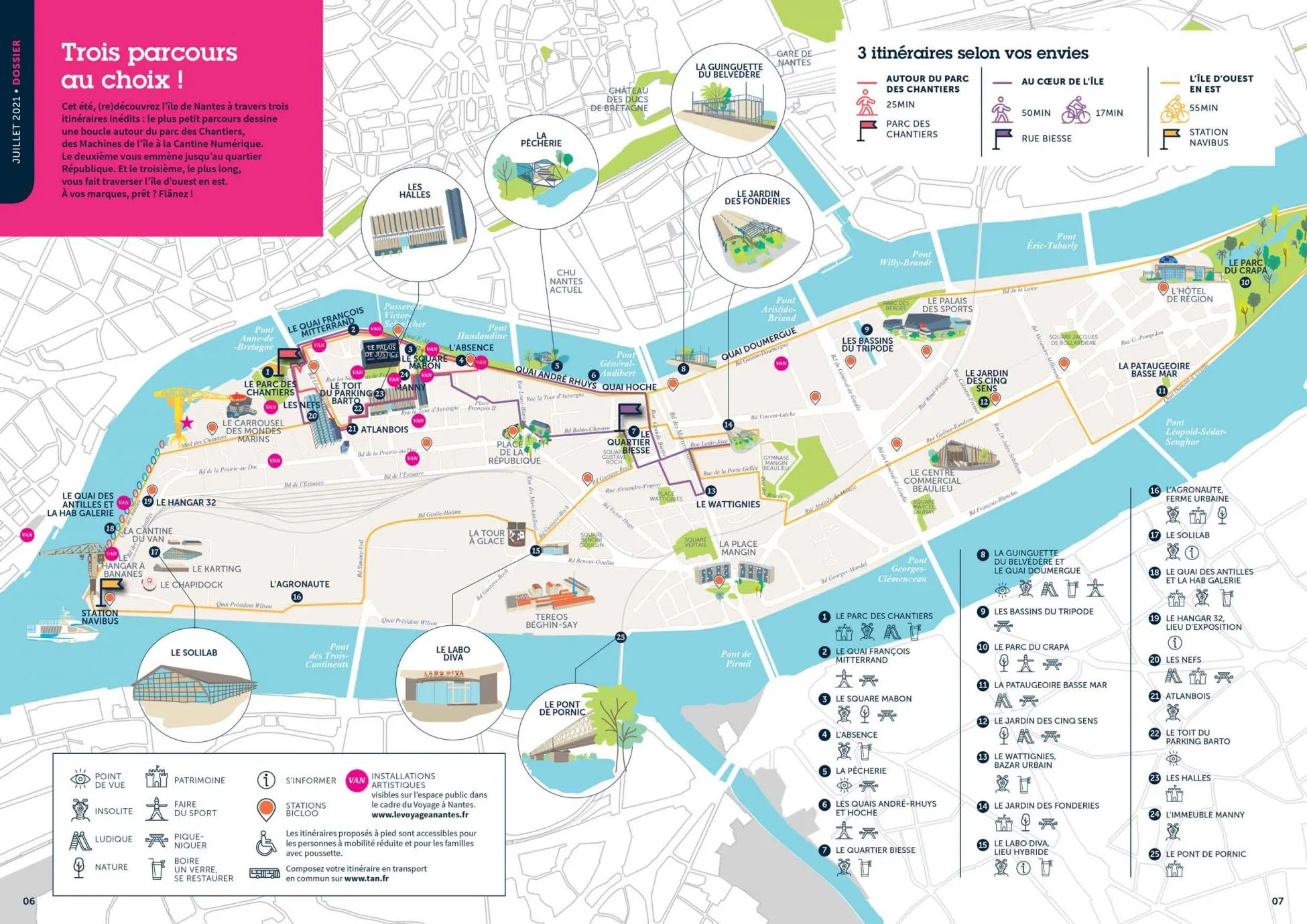
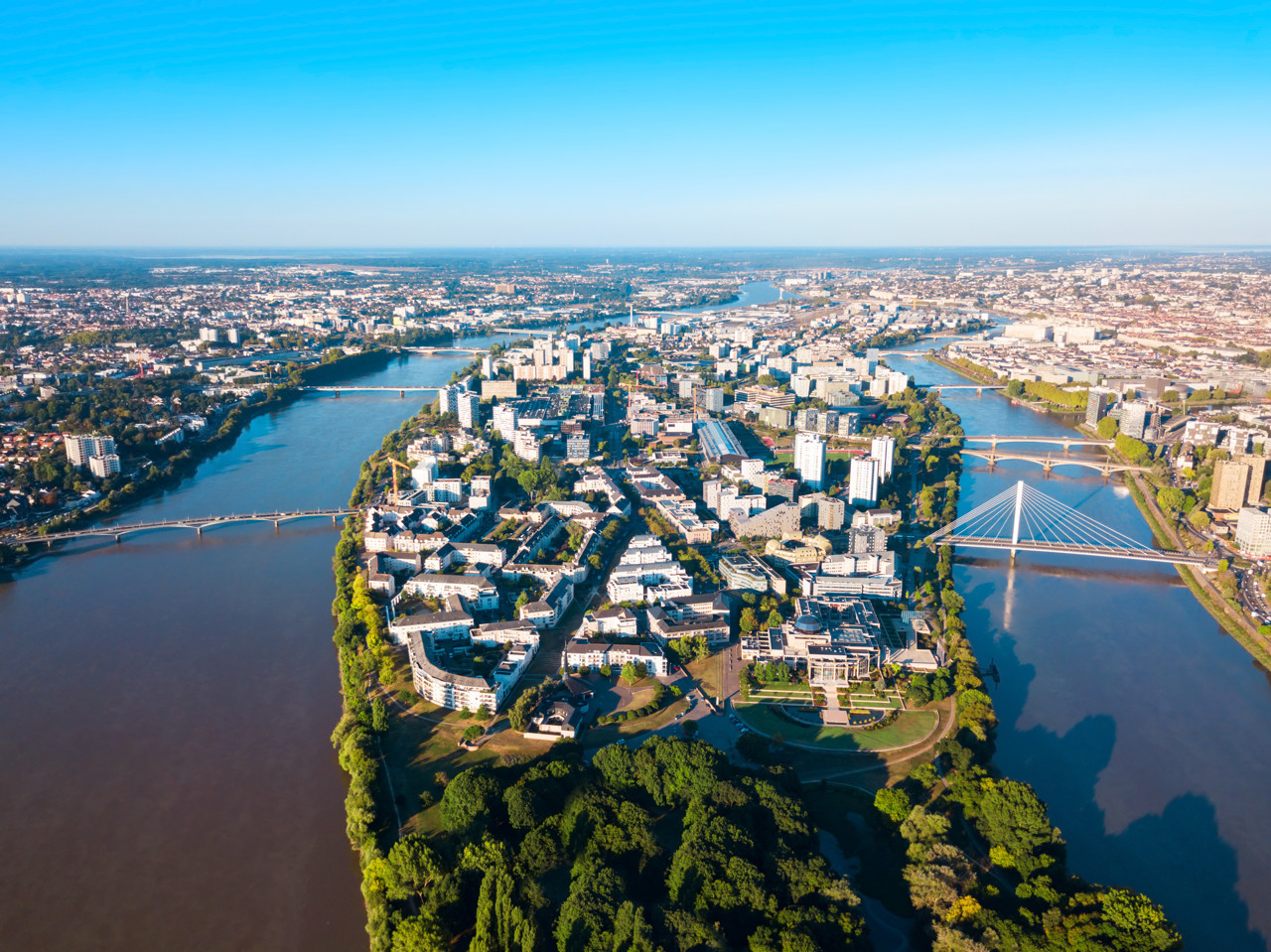
Île de Nantes is a flagship regeneration in central Nantes, transforming former shipyards and industrial land on a 4.9 km‑long Loire island into a dense, mixed, low‑carbon and creative district of about 350 hectares. Led by SAMOA for the City of Nantes and Nantes Métropole, it delivers housing, jobs, and services in a central location to curb urban sprawl. Île de Nantes lies just south of the historic centre on an elongated river island that once hosted major shipyards and port industries before closing in the 1980s. Since the early 2000s, a long‑term project has sought to reuse this brownfield land, reconnect Nantes to the Loire, and support its ambitions as a creative, sustainable European metropolis.
The project spans roughly 350 hectares of compact inner‑city neighbourhoods combining housing, offices, facilities, and public spaces. Key anchors include the Quartier de la Création arts and design cluster, new university buildings such as Halle 6, and the future university hospital and Parc de Loire at the western end, alongside lively mixed‑use districts like Prairie‑au‑Duc and République.
Future Cities criteria compliance
Environmental & Nature
Recycling a large inner‑city brownfield site into a compact, mixed‑use district reduces car dependence and limits greenfield expansion. Reuse of existing structures, strong walking and cycling links, new tram lines, and green‑blue spaces like Parc de Loire and the riverbanks all support low‑carbon mobility, biodiversity, and climate adaptation.
Smart City
Île de Nantes concentrates creative and digital industries, start‑ups, and innovation support structures that form part of Nantes’ wider tech ecosystem. Programmes such as SAMOA’s “Creative Factory” and metropolitan transport upgrades (new tram infrastructure and multimodal hubs) use the island as a testbed for innovative services and smart, connected mobility.
Human-Centric
Temporary uses, cultural programming, and participatory processes involve residents, artists, and local stakeholders in shaping spaces and activities, turning former industrial halls and vacant plots into cultural and creative venues. In districts such as Prairie‑au‑Duc and République, fine‑grained streets, shared gardens, community facilities, and the future, openly accessible university hospitals aim to foster social interaction, inclusion, and everyday urban life.
Interesting Links
Links to external websites and video features available for cities and developments that apply and are accepted as Official Participants: click here to apply