
HAFENCITY
HAMBURG
Germany
HafenCity is one of Europe’s largest inner-city redevelopment projects, transforming former docklands along the Elbe River into a modern urban district. Spanning about 157 hectares, it aims to expand Hamburg’s city centre with mixed used housing, offices, education, culture, and recreation, while pioneering sustainable and technologically advanced urban design.
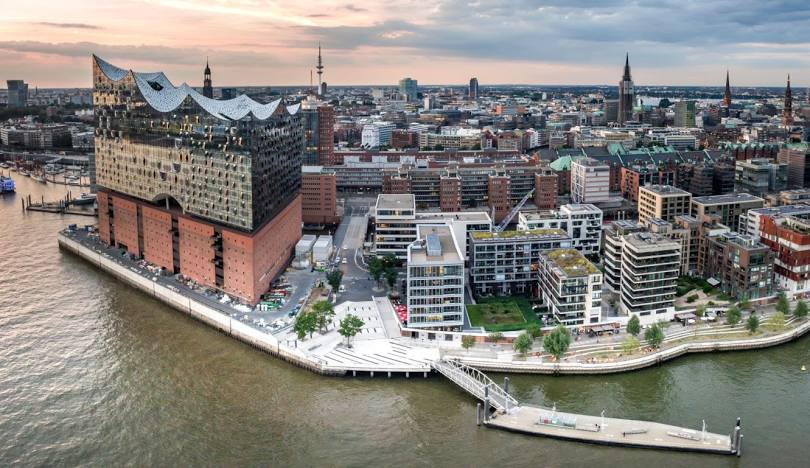
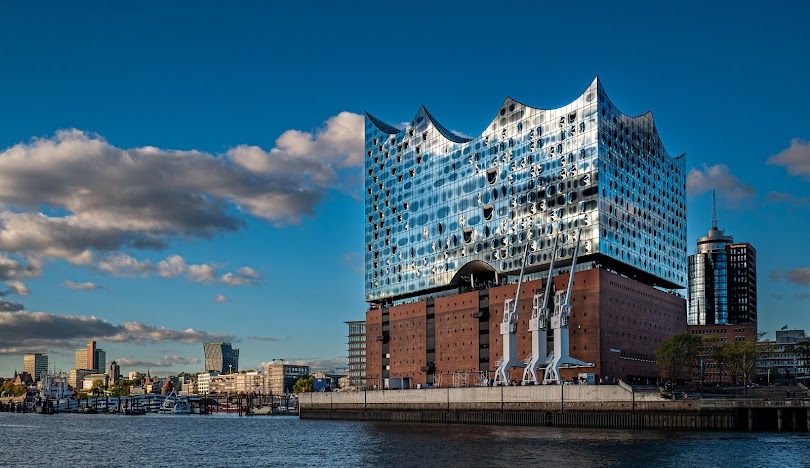
HafenCity is a quarter in the borough of Hamburg-Mitte, Hamburg, Germany. It is located on the Elbe river island Grasbrook, on the former Port of Hamburg area. It was formally established in 2008 and also includes the historical Speicherstadt area, which since 2015 is an UNESCO World Heritage Site with the adjacent Kontorhausviertel. The main landmark of the HafenCity is the Elbphilharmonie concert hall. The development is overseen by HafenCity Hamburg GmbH, which coordinates planning, infrastructure, and long-term vision for the district.

Future Cities criteria compliance
Environmental & Nature
HafenCity applies its own sustainability certification (“Umweltzeichen HafenCity”), ensuring high energy efficiency, renewable materials, and long-lifecycle construction across the district.
In 2023, a dedicated DGNB certification further strengthened environmental standards for HafenCity and adjacent areas. The district’s energy strategy prioritizes industrial waste heat, district heating, and renewable sources to cut CO₂ emissions, while green roofs, façade vegetation, and biodiversity measures enhance the microclimate and overall ecological quality.
Smart City
HafenCity incorporates digital building technologies, such as fully digitized office buildings and smart infrastructure. The district leverages smart mobility: its transport plan prioritizes walking, cycling, public transport, and shared mobility to reduce private car usage. It functions as a knowledge hub, with strong ties between education, research, start ups, and innovation ecosystems.
Human-Centric
HafenCity’s human-centric approach integrates community spaces, childcare facilities, medical services, and cultural venues directly into everyday streetscapes. Strong public transport connections, buses, and ferries reduce reliance on private cars, while the district’s mixed-use design encourages social interaction, accessibility, and a high quality of life where people can live, work, and enjoy public spaces seamlessly.
Interesting Links
Links to external websites and video features available for cities and developments that apply and are accepted as Official Participants: click here to apply