
FOREST CITY 1
CAMBRIDGE
United Kingdom
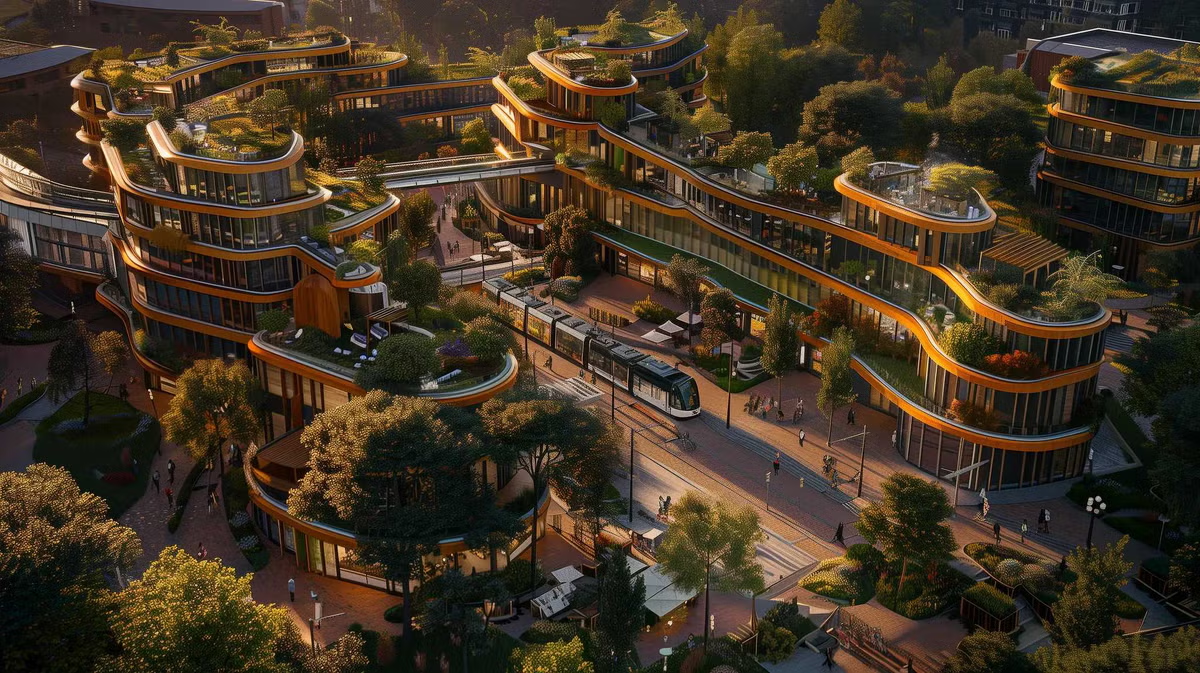
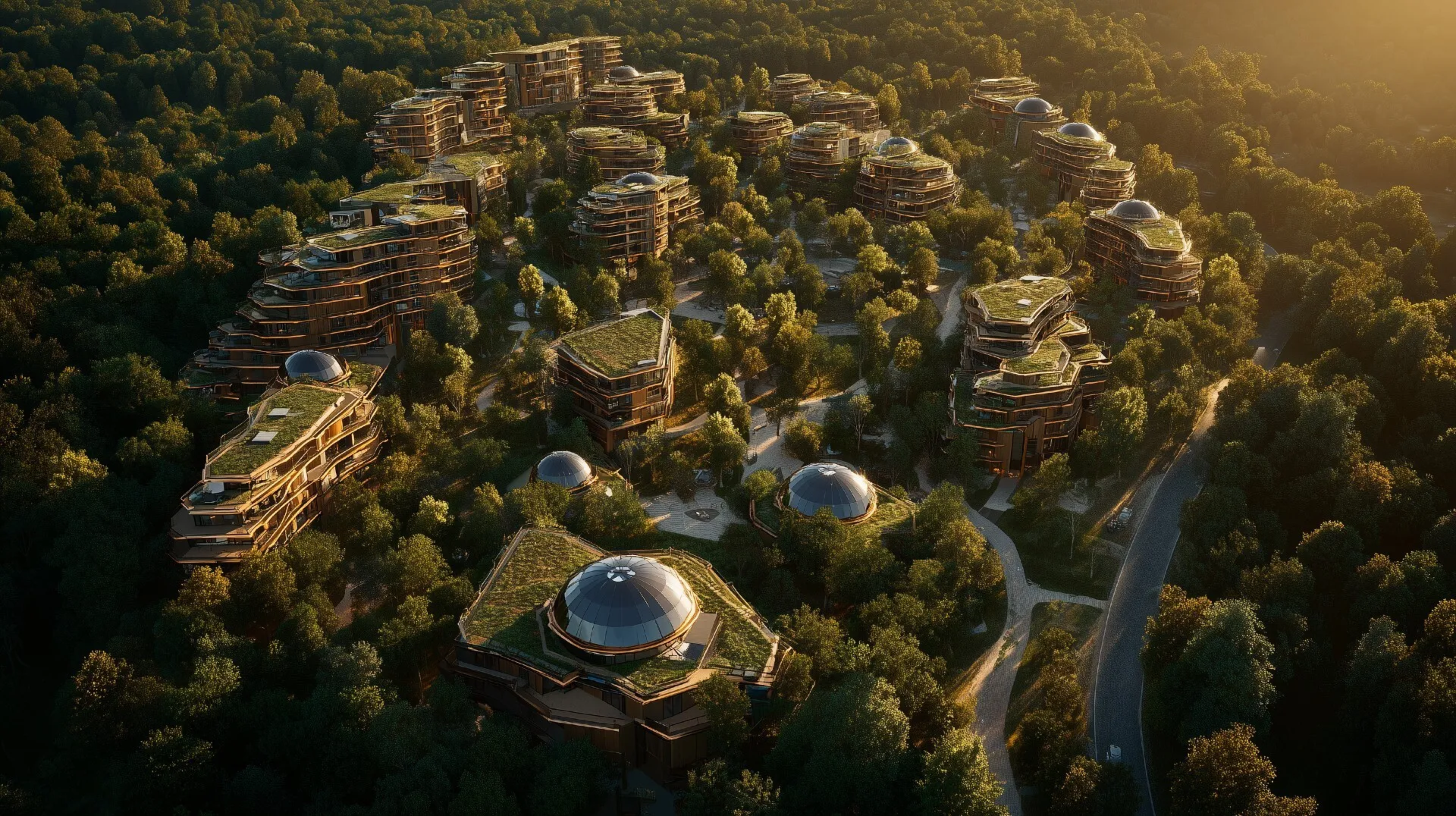
Forest City 1 is a proposed new “forest city” in the UK, planned east of Cambridge as a major new settlement with up to 400,000 homes for around one million residents, surrounded by a large new woodland belt. It is presented as Britain’s first entirely new city in about 50 years, intended to tackle the housing crisis while combining affordability, nature recovery, and high‑quality urbanism. The Forest City 1 vision is led by a private initiative that proposes building a new city on roughly 45,000 acres of agricultural land between Cambridge, Newmarket, and Haverhill, encircled by about 12,000 acres of new deciduous forest. The concept aims to create “Britain’s next great city” by securing government approval for a development corporation and special planning powers rather than direct public subsidy.
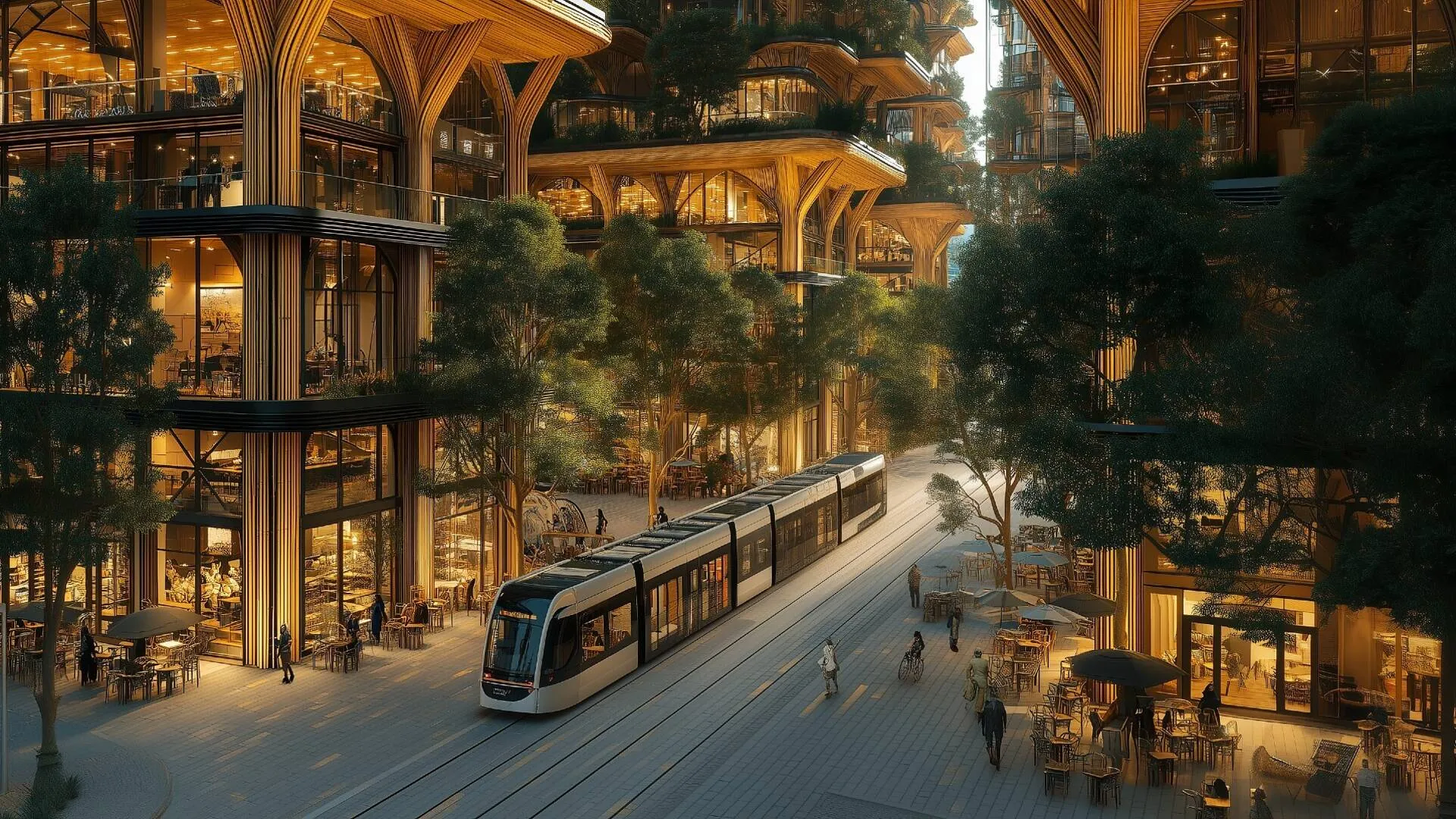
Forest City 1 is planned as a dense, transit‑oriented settlement with mixed‑use neighbourhoods, employment zones, schools, health facilities, and civic spaces, all within a wider forested landscape. The proposal combines a Special Economic Zone for jobs and investment with a Community Land Trust model to keep housing permanently affordable for working households across tenures. The proponents emphasise staged delivery, proof of demand, detailed feasibility, legislation for a development corporation, and then large‑scale modular construction over several decades.
Future Cities criteria compliance
Environmental & Nature
Forest City 1 is framed as a forest‑positive development, with the surrounding 12,000‑acre woodland described as long‑term carbon sequestration, habitat creation, and a biodiversity net‑gain strategy. Compact urban form, extensive parkland, and environmental impact assessments are highlighted as tools to limit sprawl, enhance climate resilience, and balance new housing with landscape protection.
Smart City
The project intends to use modular construction, “smart infrastructure,” and digitally managed utilities to speed up delivery and reduce costs. Plans refer to integrated transport and utility planning at city scale, with scope for smart mobility, district‑scale energy systems, and data‑driven management once detailed design progresses.
Human-Centric
The proposal stresses walkable neighbourhoods, access to nature, and mixed communities supported by permanently affordable housing via the Community Land Trust structure. Public engagement through pledges, planning events, and involvement of future residents and local stakeholders is presented as central to shaping the city’s services, governance, and public realm.
Interesting Links
Links to external websites and video features available for cities and developments that apply and are accepted as Official Participants: click here to apply