
EILAT – EILOT RENEWABLE ENERGY
ARAVA REGION
Israel
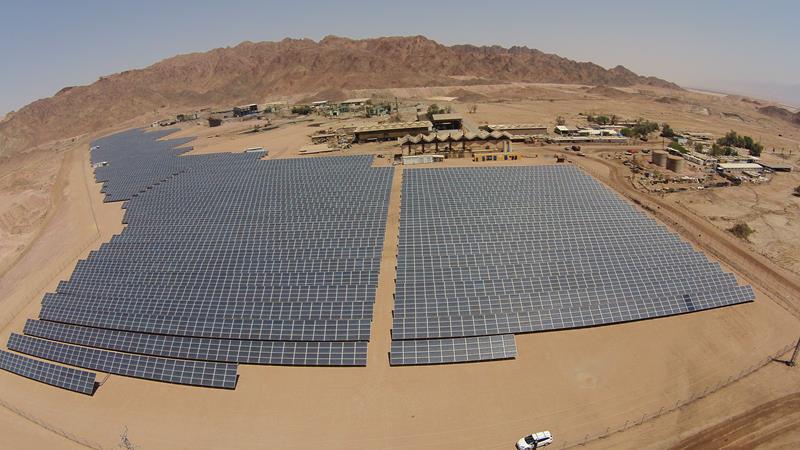
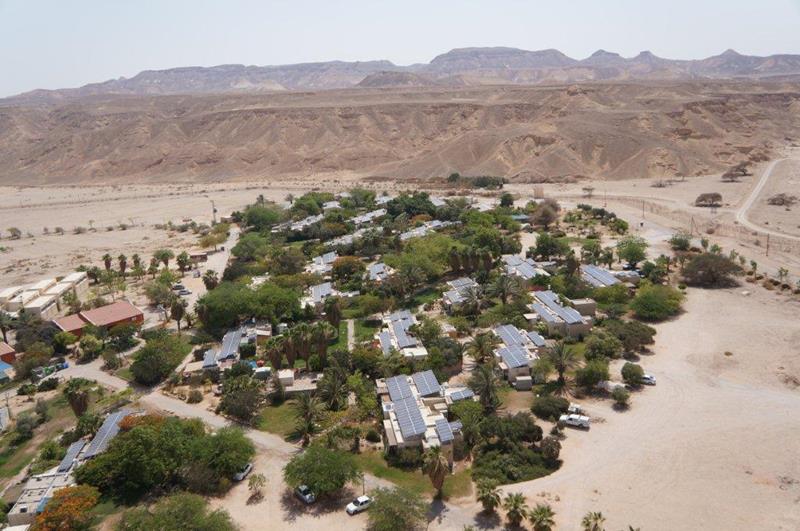
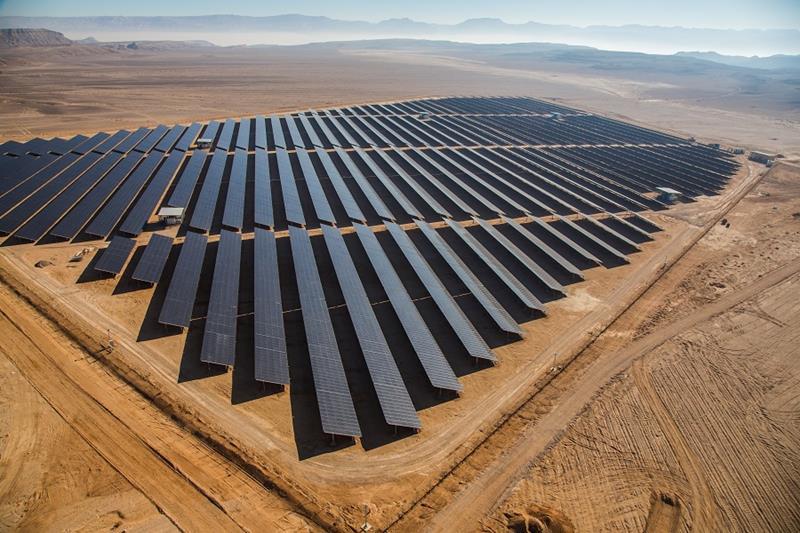
Eilat-Eilot Renewable Energy is a pioneering regional initiative transforming southern Israel’s Arava desert into a global hub for renewable energy and clean technology. Managed by a public-benefit company in partnership with Israel’s Ministry of Energy, Eilat City, and the Eilot Regional Council, the project addresses energy security, environmental sustainability, and regional economic development for approximately 65,000 residents and millions of annual visitors.
The valley spans the Red Sea coastal city of Eilat and the surrounding Eilot region, an area with exceptional solar resources. Currently hosting hundreds of megawatts of solar photovoltaic capacity, the initiative targets 100% renewable electricity supply around the clock through expanded solar generation, battery storage, and smart grid integration. The master vision includes utility-scale solar farms, agrovoltaic agriculture, green hydrogen production, and innovation centres, all whilst maintaining the region’s ecological balance and tourism appeal.
Future Cities criteria compliance
Environmental & Nature
The primary target is achieving 100% renewable electricity by 2030, eliminating fossil-fuel dependence, and significantly reducing greenhouse-gas emissions. Water security is addressed through renewable-powered desalination and efficient irrigation. Environmental protection of the Red Sea ecosystem, marine conservation, and participation in global climate frameworks reinforce the project’s sustainability credentials.
Smart City
Large-scale solar PV plants, advanced battery storage, and smart grid infrastructure provide continuous renewable power. The valley hosts green hydrogen production, renewable-powered desalination, IoT-enabled energy management, and a national energy innovation hub (EnergyCom). The annual Eilat-Eilot International Renewable Energy Conference attracts global stakeholders for knowledge exchange and technology demonstration.
Human-Centric
The renewable energy transition creates high-skilled jobs in solar installation, research, and tourism. Educational programmes build regional expertise and climate literacy amongst young people. Urban design prioritises walkable neighbourhoods, solar-shaded public spaces, and accessible community facilities, whilst participatory governance ensures residents have a voice in long-term development.
Interesting Links
Links to external websites and video features available for cities and developments that apply and are accepted as Official Participants: click here to apply