
EASTERN ECONOMIC CORRIDOR (EEC)
CHACHOENGSAO, CHONBURI, AND RAYONG PROVINCES
Thailand
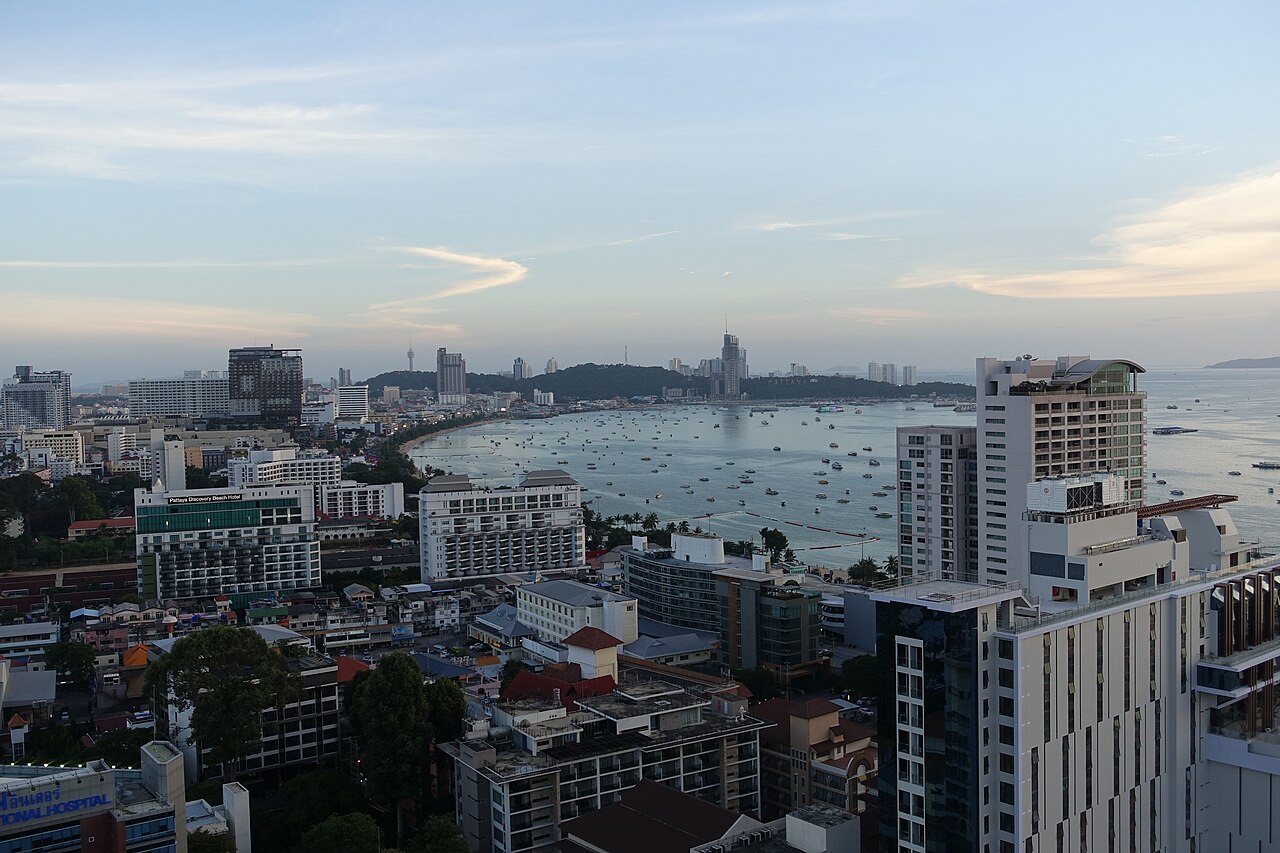
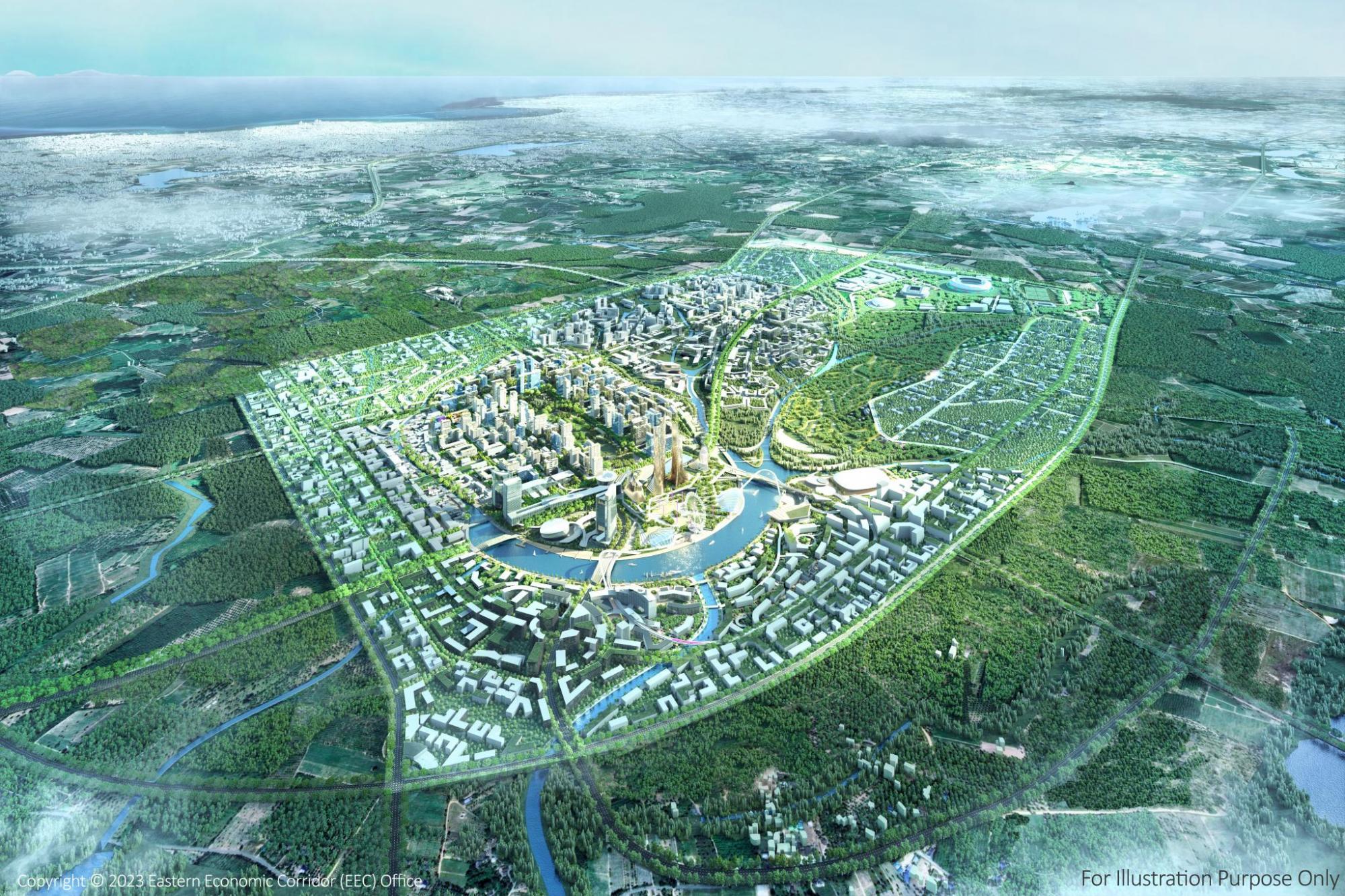
The Eastern Economic Corridor (EEC) is Thailand’s flagship regional development programme that transforms the three eastern provinces (Chachoengsao, Chonburi and Rayong) into a high-technology manufacturing and services hub under the Thailand 4.0 vision. The EEC combines large infrastructure upgrades (ports, airports, rail and highways), investor incentives and spatial planning to attract the government’s 12 targeted industries and large-scale urban developments, including designated “smart urban nodes”.
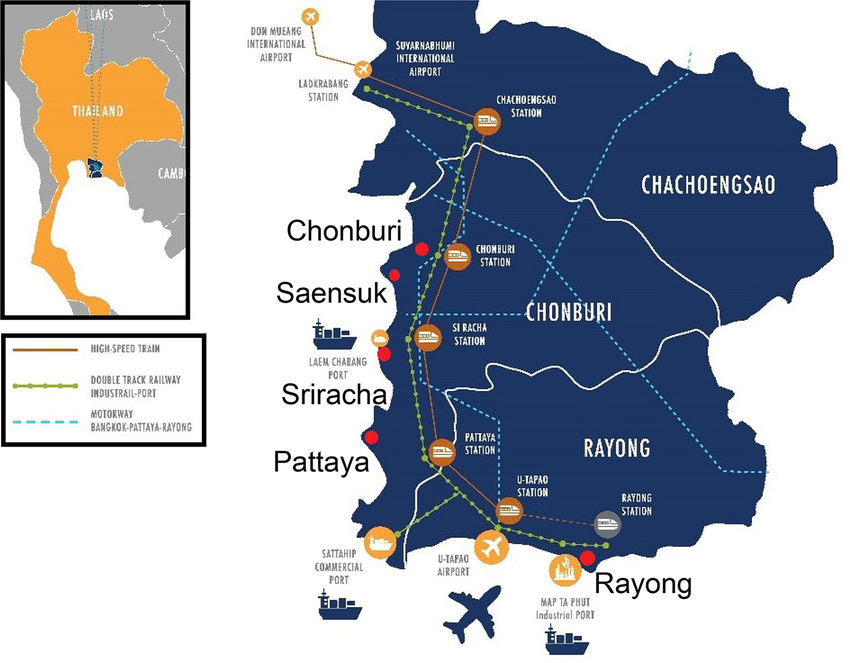
The EEC covers over 13,000 square kilometers with key infrastructure projects such as the expansion of U-Tapao Airport, high-speed rail connections, and deep seaports to enhance connectivity. Industrial zones and innovation districts within the corridor drive advanced manufacturing, research & development, and technology commercialization. The EEC Office (EECO) implements policies to promote private sector investment, innovation, and workforce development, aiming to generate hundreds of thousands of jobs and propel Thailand’s GDP growth.
Future Cities criteria compliance
Environmental & Nature
Sustainability underpins the corridor’s planning with a strong focus on green infrastructure, clean energy adoption, and resource efficiency to reduce environmental impacts. Urban development integrate green spaces and environmentally friendly building practices aligned with Thailand’s climate goals. Efforts include sustainable transport systems, waste management improvements, and promoting circular economy principles.
Smart City
The EEC incorporates smart city technologies and innovation hubs like the Eastern Economic Corridor of Innovation (EECi). Innovations include AI-enabled traffic management, digital governance, smart energy grids, and advanced manufacturing automation. The corridor fosters partnerships between industry, academia, and government to develop cutting-edge technology ecosystems fostering sustainable competitiveness.
Human-Centric
The EEC emphasizes improving quality of life through urban planning that incorporates affordable housing, healthcare, education, and social amenities within smart urban nodes. Community engagement and workforce skills development are prioritized, ensuring inclusive growth. The corridor aims to support vibrant, livable cities with accessible public transport and public spaces that foster social well-being and cultural heritage.
Interesting Links
Links to external websites and video features available for cities and developments that apply and are accepted as Official Participants: click here to apply