
CITY OF MELBOURNE
MELBOURNE, VICTORIA
Australia
The City of Melbourne is a leading example of how an established urban centre can evolve into a greener, smarter, and more people-focused city. As the local government responsible for Melbourne’s central municipality, the City is transforming public spaces, transport networks, waterways, and urban ecosystems through long-term strategies and city-shaping projects.
Its approach focuses on making a dense global city more liveable while responding to climate change, population growth, biodiversity loss, and changing mobility needs. Major initiatives such as the Greenline Project, Urban Forest Strategy, and Transport Strategy 2030 demonstrate how Melbourne is redesigning its existing urban environment for the future.
The City of Melbourne’s future-city approach is built around interconnected public spaces, greener streets, sustainable movement, and improved connections between people and nature.
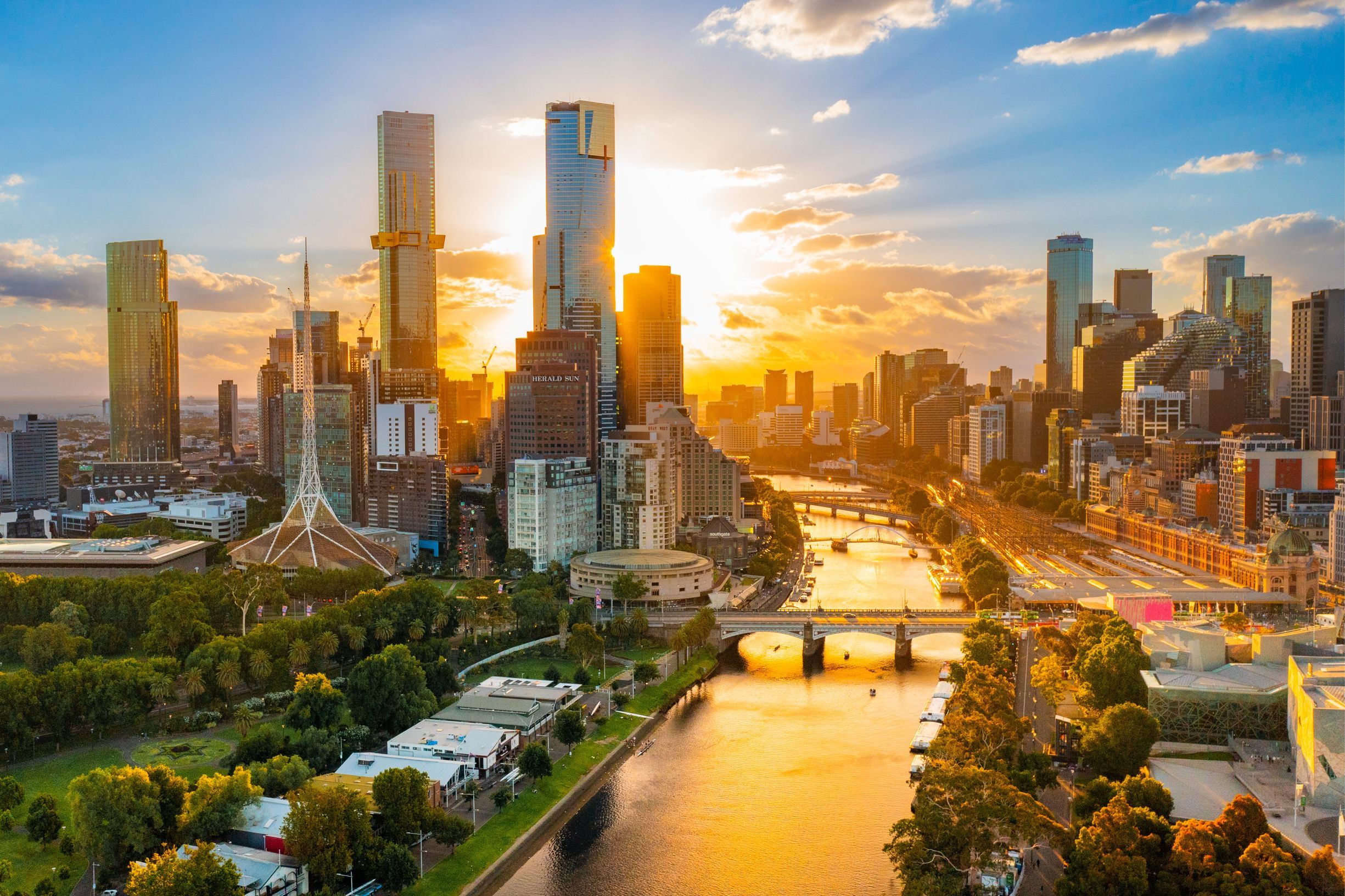
The Greenline Project is a major transformation of the north bank of the Yarra River-Birrarung. The programme extends approximately 4 kilometres between Birrarung Marr and the Bolte Bridge and is organised across five precincts: Birrarung Marr, The Falls, River Park, Maritime, and Saltwater Wharf. The riverbank transformation itself covers roughly 3.7 kilometres across these precincts.
The first completed Greenline section, Birrarung Marr Precinct Site 1, was delivered in December 2025. It transformed a 450-metre stretch of river edge with new boardwalks, promenades, native planting, and habitat improvements. The completed section forms part of the broader Greenline vision, while planning and development of additional sections continue.
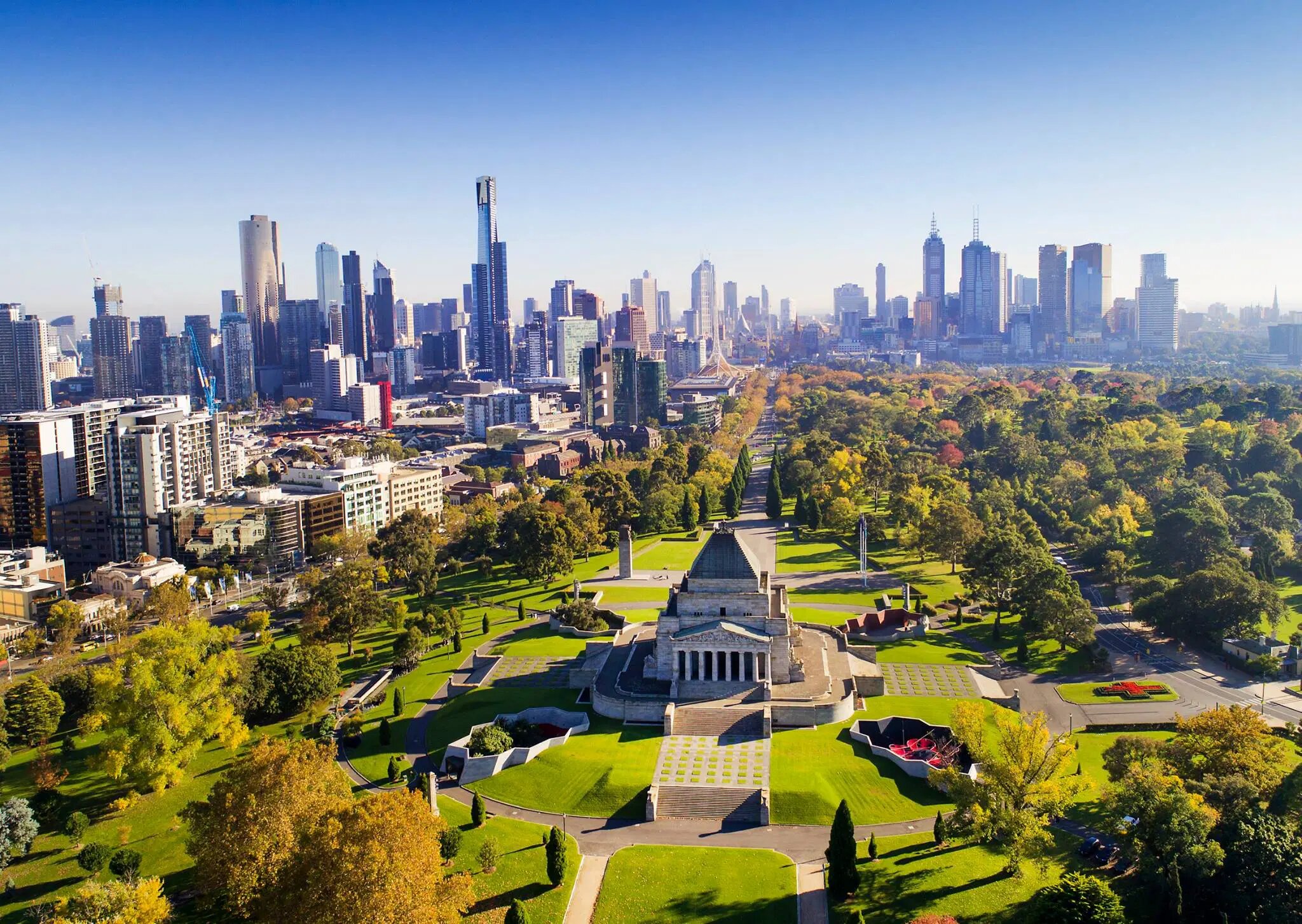
The City’s Urban Forest programme complements this riverfront transformation by expanding and diversifying trees and vegetation throughout the municipality. Urban Forest Precinct Plans provide long-term frameworks for increasing tree canopy, improving biodiversity, reducing urban heat, and creating healthier public spaces.
Future Cities criteria compliance
Environmental & Nature
Sustainability is one of the strongest elements of the City of Melbourne’s future-city model.
The Urban Forest Strategy treats trees and vegetation as critical urban infrastructure. The City’s urban forest provides shade, cooling, air-quality benefits, habitat, carbon sequestration, and improved access to nature. Current precinct plans are increasing tree canopy, species diversity, and climate resilience across neighbourhoods including the CBD, Docklands, Carlton, Kensington, North and West Melbourne, East Melbourne, and South Yarra.
The Greenline Project adds another layer of environmental regeneration by creating native habitats, improving biodiversity, supporting water-sensitive design, and strengthening the ecological corridor along the Yarra River-Birrarung.
Together, these initiatives demonstrate an approach where green infrastructure is integrated directly into the urban fabric rather than treated as an additional feature.
Smart City
The City of Melbourne incorporates technology and innovation into the management of its future urban environment. Its Transport Strategy 2030 identifies emerging technologies as an opportunity to create a smarter, more connected city while ensuring that technology supports people rather than replacing people-focused urban planning.
The strategy specifically positions the City as a leader in innovating and piloting transport technologies, while also considering how new technologies should be regulated to maximise benefits and reduce potential negative impacts.
The Greenline Project has also incorporated sensor implementation and data-informed planning as part of the broader transformation of the Yarra River-Birrarung corridor.
Human-Centric
The City of Melbourne places people at the centre of its approach to urban development.
Transport Strategy 2030 prioritises generous, unobstructed, high-quality space for walking and seeks to transform Melbourne’s smaller streets into people-focused places connected to the city’s renowned laneways. The strategy was developed through extensive community consultation, with 89 per cent of respondents supporting or strongly supporting its proposed outcomes during the final consultation.
The Greenline Project similarly focuses on improving everyday experiences for residents, workers, and visitors by creating accessible waterfront spaces, promenades, parks, cultural experiences, and stronger connections with nature. Traditional Owner knowledge and Aboriginal cultural heritage are also being incorporated into the project’s development.
Community participation extends into the City’s Urban Forest programme through initiatives such as the Citizen Forester Program, which gives residents opportunities to participate directly in environmental work and the development of a greener city.
Interesting Links
Links to external websites and video features available for cities and developments that apply and are accepted as Official Participants: click here to apply