
BHOPAL SMART CITY
BHOPAL, MADHYA PRADESH
India
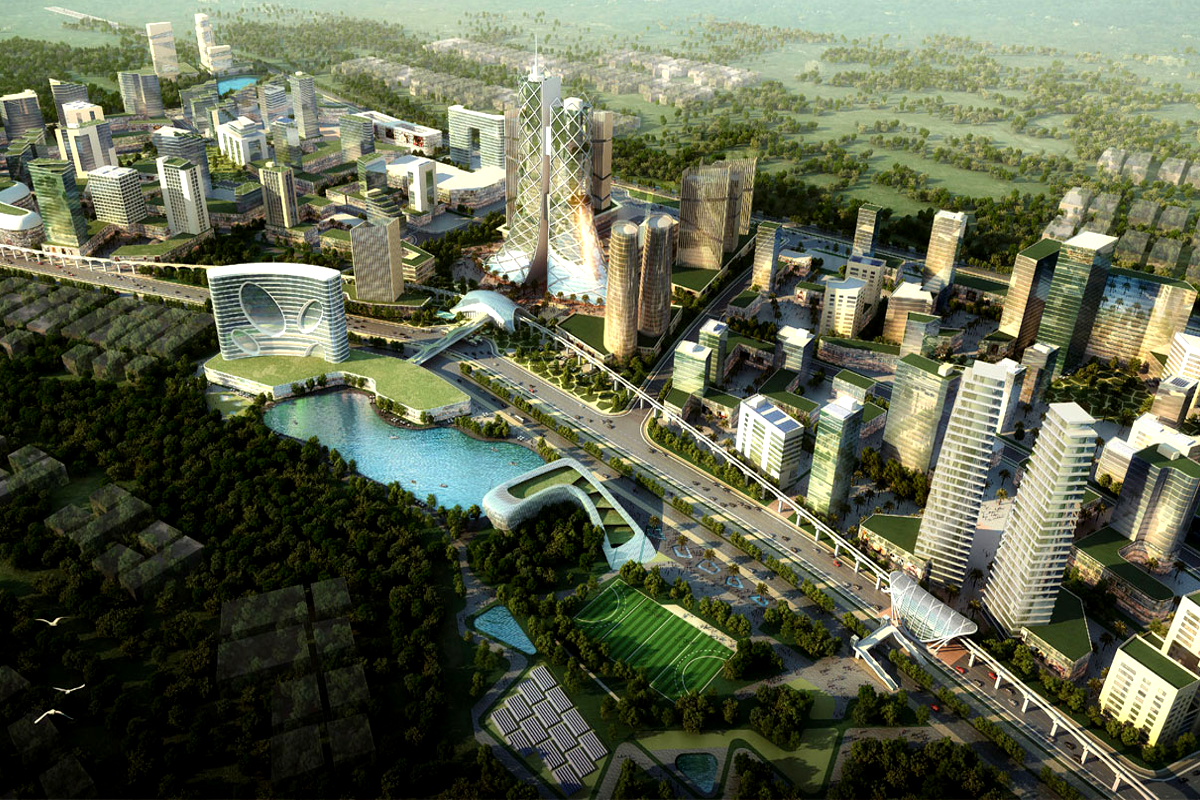
Bhopal Smart City (implemented by Bhopal Smart City Development Corporation Ltd. BSCDCL) is the city’s flagship scheme under India’s Smart Cities Mission. Its area-based redevelopment (ABD) focuses on TT Nagar (North & South) a central 354 acre precinct that combines government institutions, markets, residential pockets and public parks with the goal of modernizing infrastructure, improving services, and financing renewal through land-value capture.
Bhopal, selected in the first round of India’s Smart Cities Mission (SCM), is using an Area-Based Development (ABD) strategy to create a sustainable and liveable model city. The focus is the complete redevelopment of the Tatya Tope Nagar (TT Nagar) area. The project is managed by the Bhopal Smart City Development Corporation Limited (BSCDCL), a Special Purpose Vehicle (SPV) jointly owned by the Government of Madhya Pradesh and the Bhopal Municipal Corporation.
Future Cities criteria compliance
Environmental & Nature
The redevelopment emphasizes green buildings, water conservation, waste recycling, and energy-efficient systems. The smart city model encourages low emissions through transit-oriented development and sustainable urban planning. Green rated buildings and automated solid waste systems contribute to reducing the environmental footprint.
Smart City
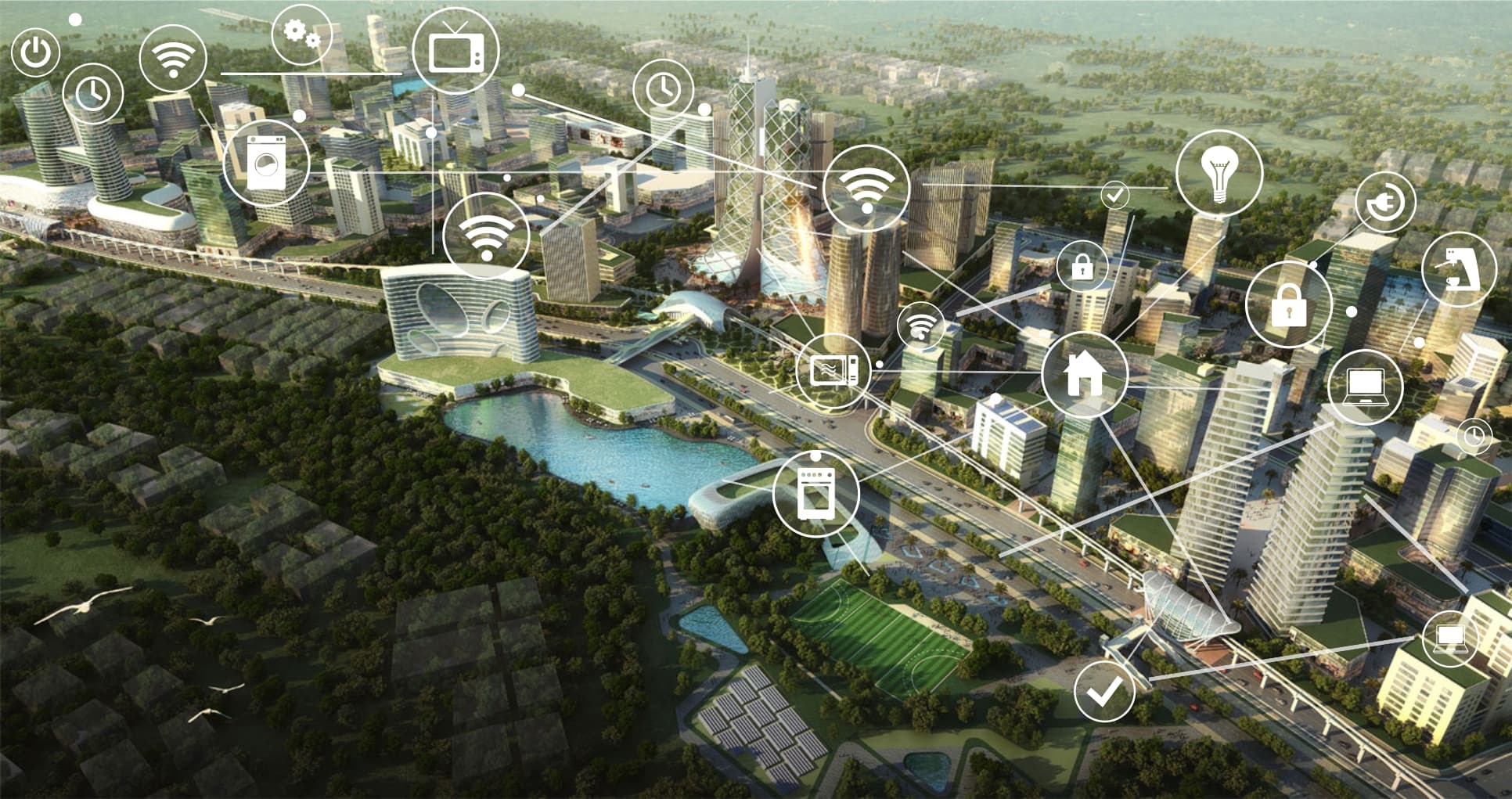
Bhopal Smart City deploys ICT infrastructure for smart governance and urban services. This includes intelligent street lighting, real-time monitoring through an integrated command and control centre, and digital platforms enhancing citizen engagement. High-speed fibre optics and IT-enabled services support businesses and residents alike.
City’s major features include a newly planned 45-meter wide Boulevard Street linking commercial hubs, modern infrastructure with 24/7 water and power supply, underground utilities, smart street lighting, and automated solid waste management.
Human-Centric
The layout promotes walkability and access to public transport with cycle tracks, pedestrian zones, and transit nodes within a 10-minute walk. Social infrastructure includes schools, healthcare centres, parks, and cultural spaces, designed to foster community interaction and well-being. Vehicle management strategies aim at reducing congestion and enhancing public spaces for residents.
Interesting Links
Links to external websites and video features available for cities and developments that apply and are accepted as Official Participants: click here to apply