
BELO HORIZONTE
MINAS GERAIS
Brazil
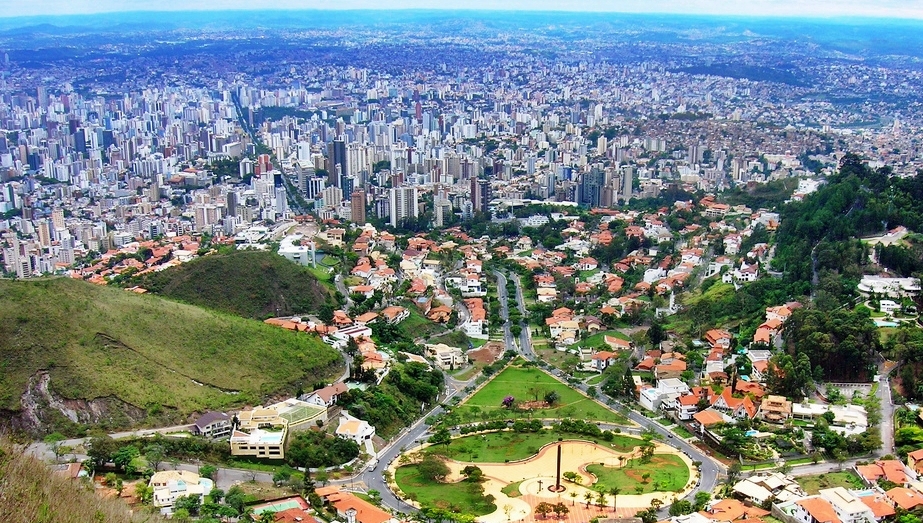
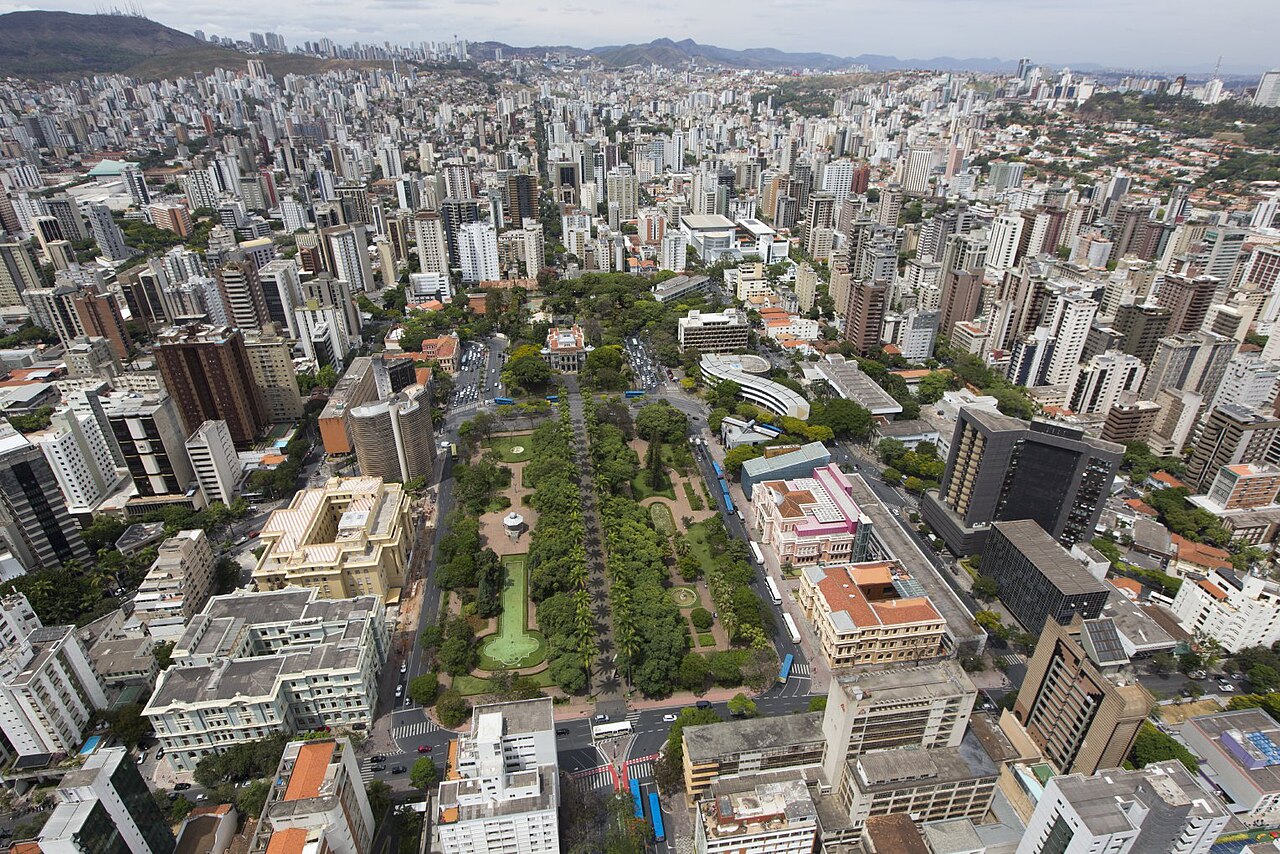
Belo Horizonte is the capital of Minas Gerais and a planned hill‑city that has become a Brazilian reference for urban greenery, eco‑mobility, and climate‑oriented planning. Founded in the 1890s as a purpose‑built capital, it now anchors a metropolitan region of over five million people and is expanding its network of parks, green corridors, and sustainable transport to tackle flooding, erosion, and heat through green infrastructure and integrated climate action, supported by participation in international programmes that promote data‑driven approaches to resilience, mobility, and land use.
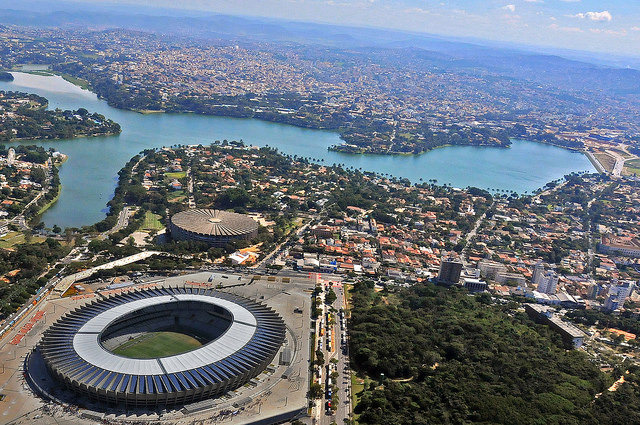
Belo Horizonte has a dense centre and polycentric neighbourhoods linked by bus corridors, ring roads, and a growing cycling network, while developing over 70 parks and green corridors through tree planting and slope restoration to stabilise hillsides and cool the city. Within this network, Pampulha is a major northern lakeside green belt around the artificial Lake Pampulha and the UNESCO‑listed Pampulha Modern Ensemble, where surrounding neighbourhoods, the Mineirão stadium, the federal university campus, and zoo‑botanical and ecological parks form one of the city’s largest continuous clusters of green and public facilities.
Future Cities criteria compliance
Environmental & Nature
City programmes such as Montes Verdes and green‑corridor initiatives reforest degraded hillsides, protect springs, and connect parks, strengthening ecosystem services across the metropolitan area. The Pampulha green belt contributes strongly to this strategy by providing cooling, stormwater retention, habitat, and recreation, supported by special planning controls that protect lake views, vegetated margins, and heritage buildings, even as water‑quality challenges require ongoing remediation.
Smart City
Belo Horizonte uses environmental indicators, GIS, and monitoring tools to guide planning and risk management, including around sensitive areas such as Pampulha’s lake and slopes. As part of eco‑mobility and climate programmes, the city develops bus corridors and active‑mobility measures, using data to better integrate transport, emissions reduction, and access to major destinations like Pampulha.
Human-Centric
Belo Horizonte frames greening and mobility policies as ways to improve health, comfort, and equitable access to public space, especially for vulnerable communities. Pampulha exemplifies this human‑centric vision: lakeside boardwalks, walking and cycling routes, and cultural venues form one of the city’s most popular leisure landscapes, with integrated management aimed at ensuring safe, free, and high‑quality access for residents from across the metropolis.
Interesting Links
Links to external websites and video features available for cities and developments that apply and are accepted as Official Participants: click here to apply