
BedZED
SOUTH LONDON
United Kingdom
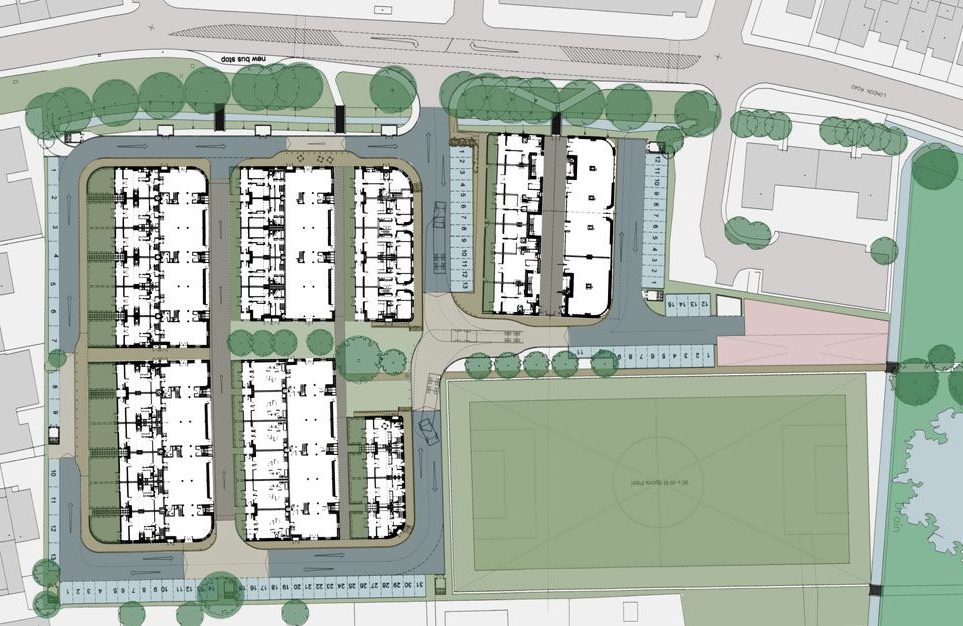
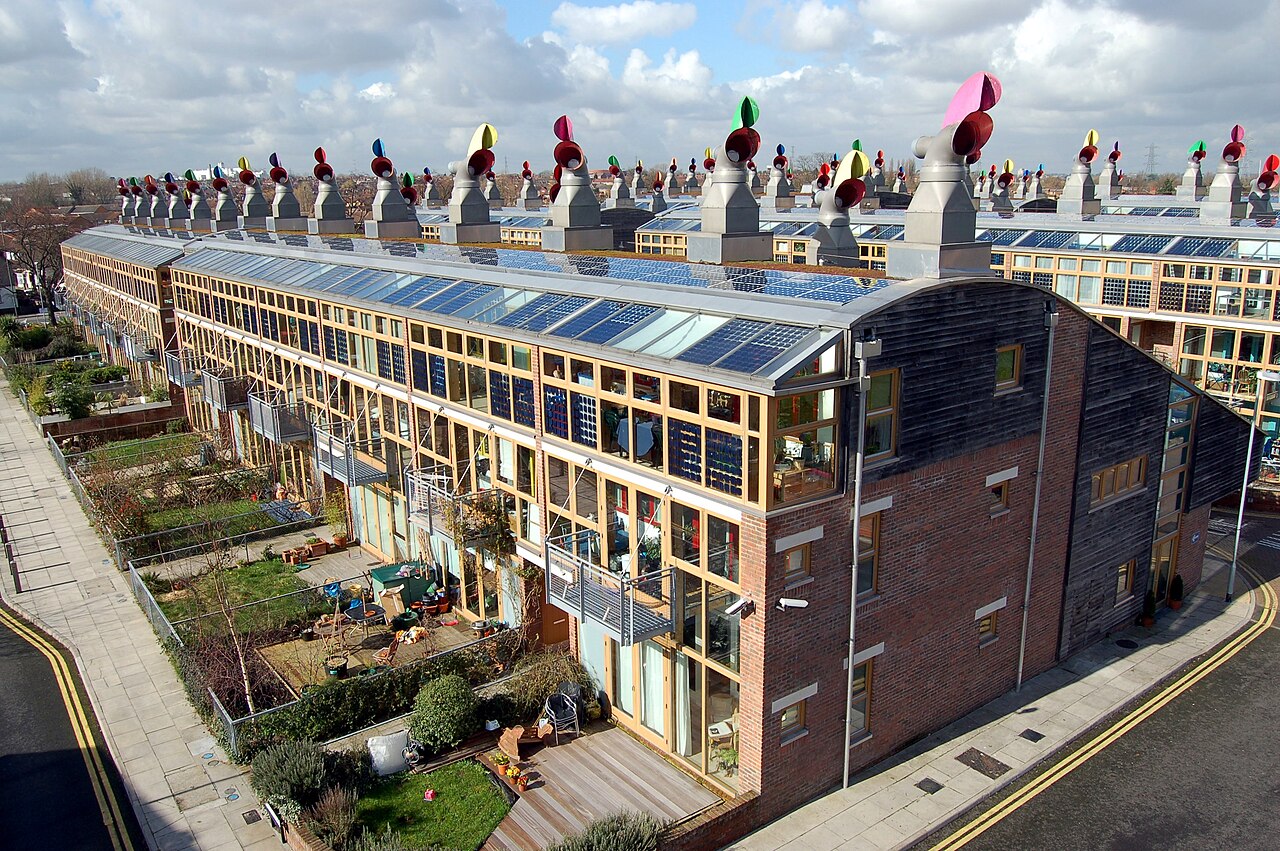
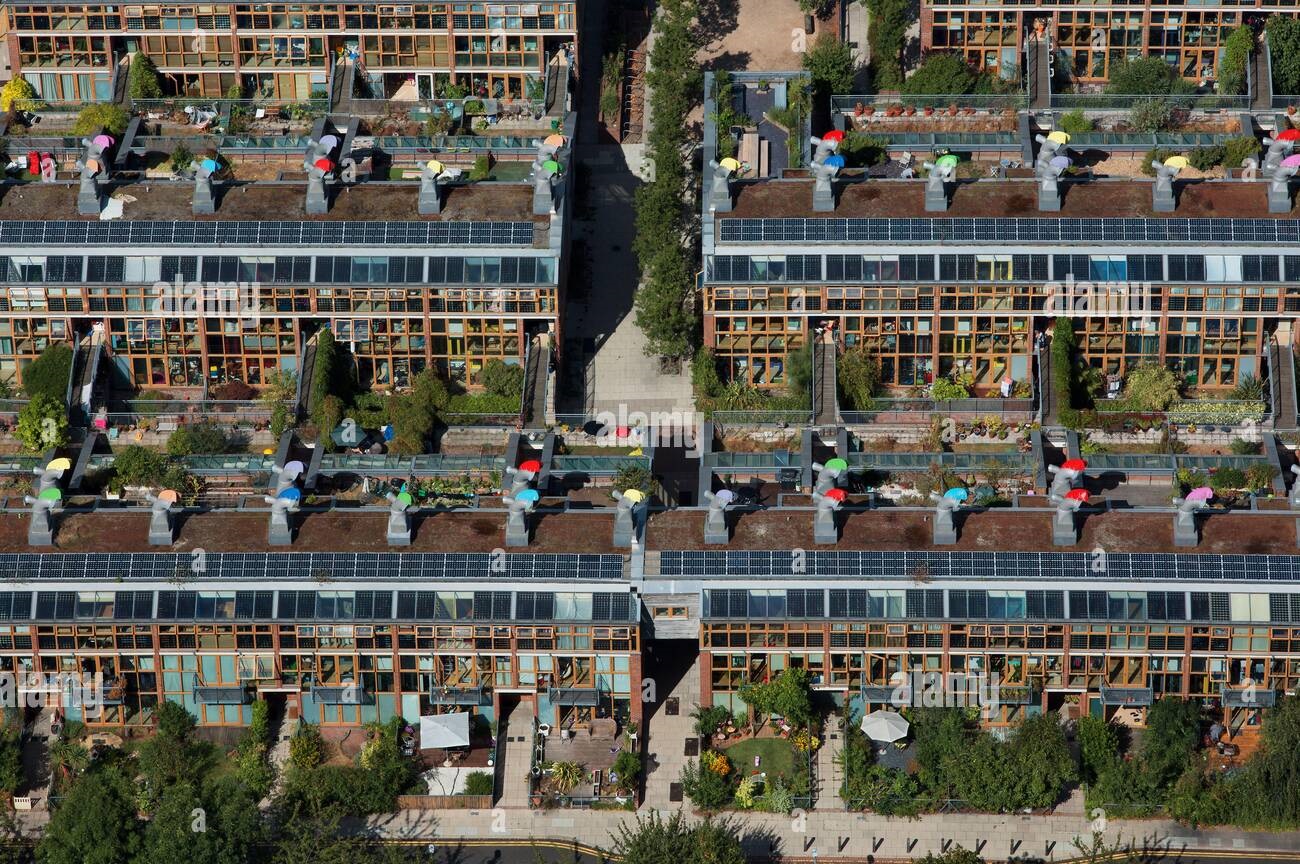
Conceived in the late 1990s and completed in 2002, BedZED (Beddington Zero Energy Development) in South London is a historic milestone in the global zero-carbon urbanism movement. As the UK’s first large-scale, mixed-use sustainable community, it proved that zero-emission living was possible decades before mainstream climate targets were established. Developed by Peabody Trust in partnership with Bioregional and designed by Bill Dunster Architects (now ZED Power Ltd), the 100-home eco-village incorporates super insulation, triple glazing, early adoption of solar panels, and biomass energy. By combining energy-efficient architecture with dedicated active travel infrastructure and the UK’s first on-site electric car-sharing club, BedZED remains the foundational blueprint for sustainable, human-centric urban design.

Future Cities criteria compliance
Environmental & Nature
Completed long before net-zero mandates existed, the project demonstrated that true sustainability—achieving zero carbon emissions, minimising embodied carbon, and drastically reducing water and waste—was viable at scale. By successfully applying circular economy concepts and passive solar design in 2002, BedZED became the catalyst that directly inspired subsequent UK government policy on zero-carbon homes, proving that large-scale, low-impact living is achievable.
Smart City
Serving as a pioneering prototype for the modern Smart City, BedZED integrated neighbourhood-level energy systems that were years ahead of their time. It successfully deployed community-scale solar electricity, thermal mass engineering, and energy-efficient systems long before they became industry standards. Furthermore, it anticipated the modern shift in sustainable mobility by introducing an integrated electric car club and prioritising public transport connectivity at the turn of the millennium.
Human-Centric
Beyond its technical milestones, BedZED proved that low-carbon architecture actively enhances rather than compromises quality of life. The design fosters a deeply connected community through shared spaces like a village square, sports pitch, and clubhouse. By integrating essential facilities such as childcare and workspaces, it reduces the need for daily travel. Through encouraging social interaction, active travel, and resident involvement, BedZED created an enduring, heavily replicated model of integrated, human-centred urban living.