
BARCELONA
ANZOÁTEGUI
Venezuela
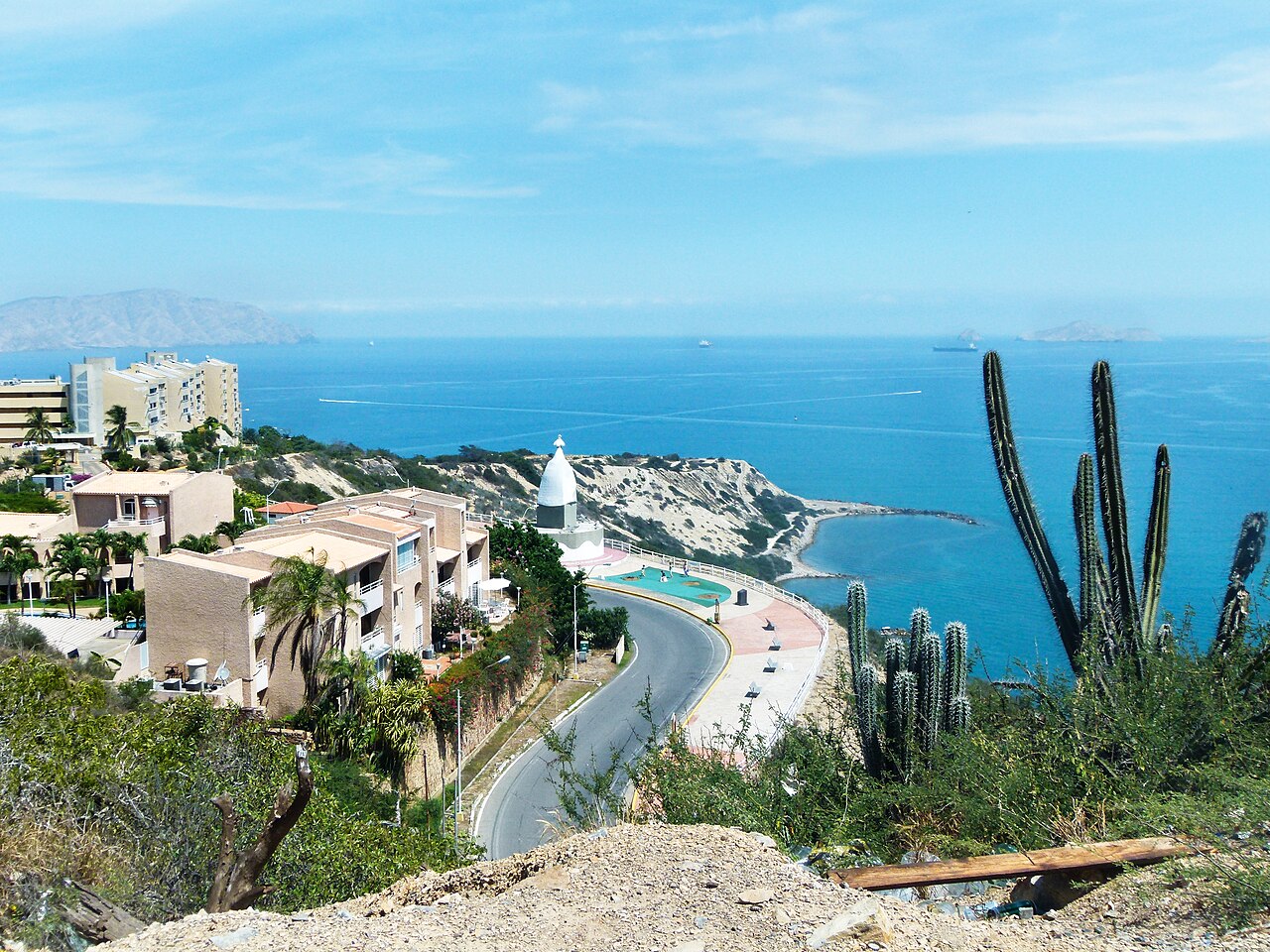
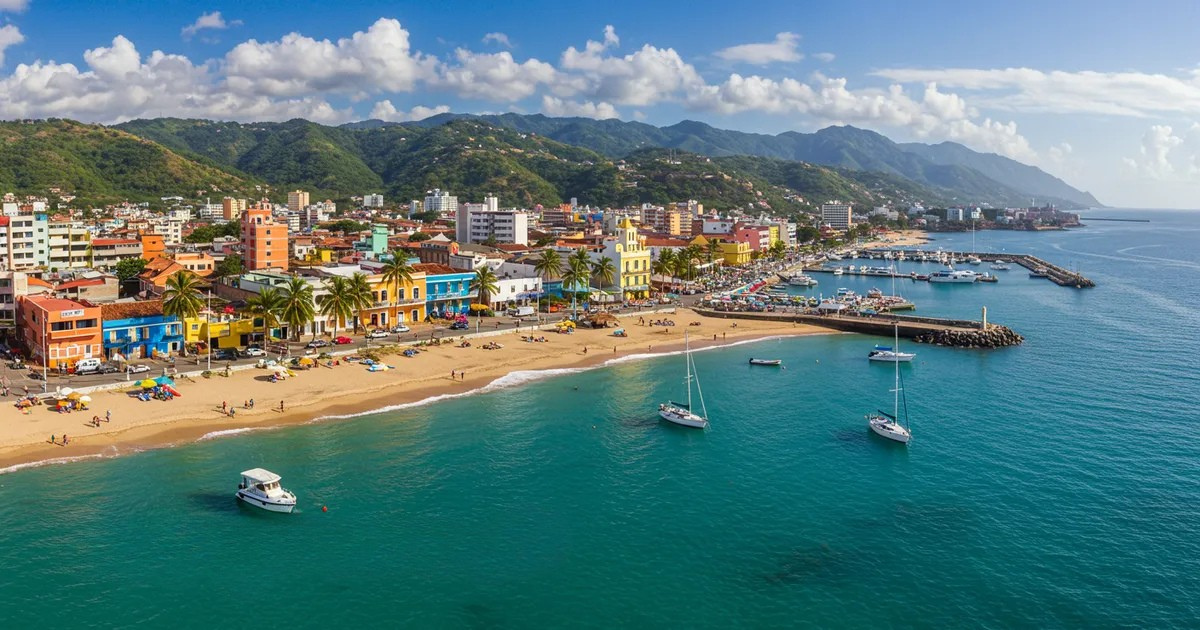
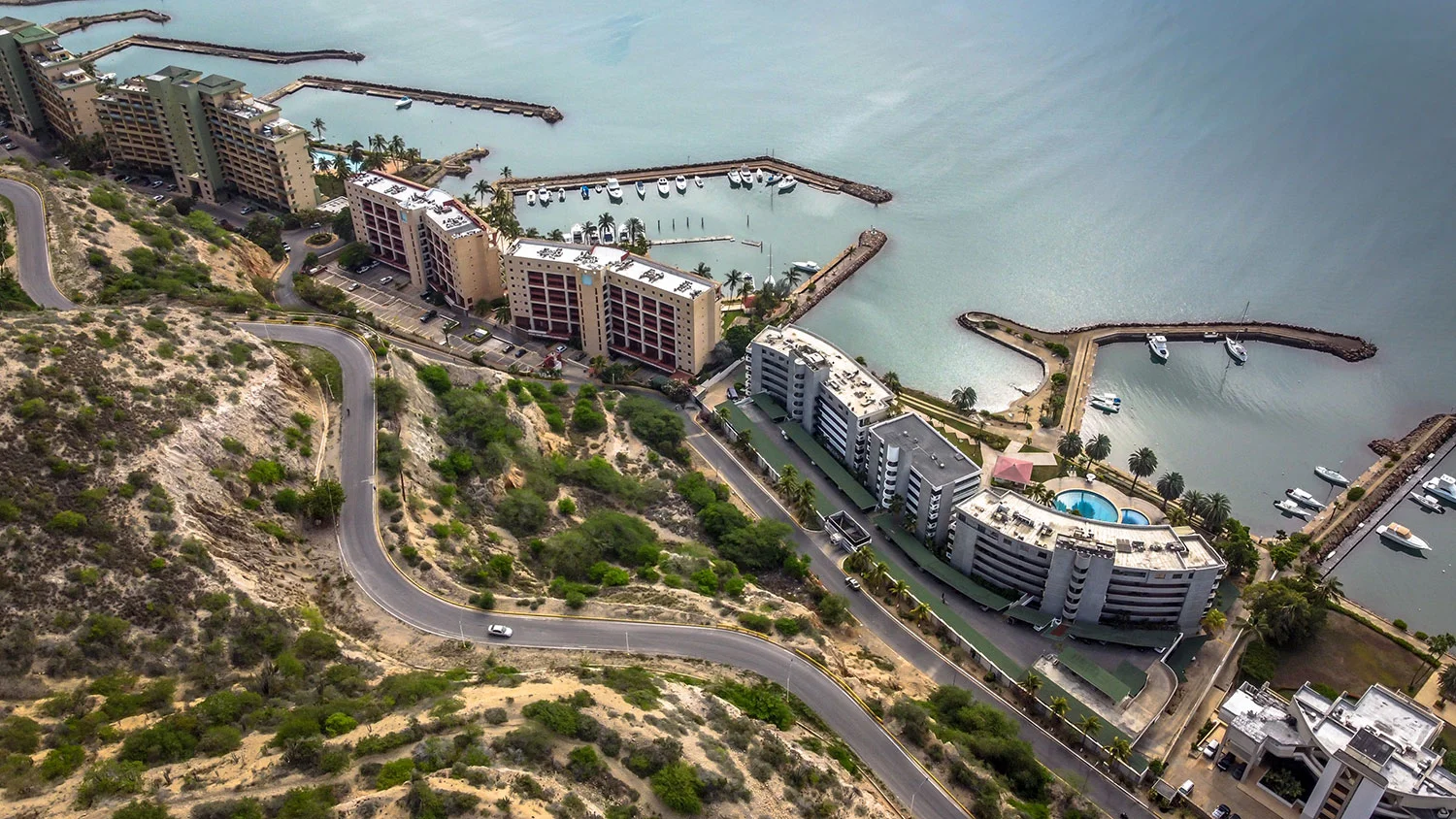
Barcelona is a coastal city in northeastern Venezuela and the capital of Simón Bolívar Municipality in Anzoátegui State. Situated along the Neverí River and connected to the Caribbean coast, the city is being positioned as a future-oriented urban centre that combines environmental stewardship, social inclusion, and sustainable development.
The proposed vision for Barcelona focuses on transforming the city into a greener, more resilient, and people-centred urban environment. Through investments in public spaces, sustainable mobility, accessibility, and environmental awareness, Barcelona aims to demonstrate how medium-sized Latin American cities can balance urban growth with quality of life and ecological responsibility.
Barcelona’s future city vision emphasises the integration of nature into everyday urban life. Tree-lined streets, expanded green corridors, public parks, and riverfront improvements are envisioned as key components of a healthier and more attractive urban landscape. The city seeks to strengthen the relationship between its residents and the natural environment while preserving its unique connection to the Neverí River and the Caribbean region.
The urban development strategy promotes active mobility through bicycle infrastructure, pedestrian-friendly streets, and cleaner transportation alternatives. Public spaces are designed to be inclusive and accessible, ensuring that residents of all ages and abilities can participate fully in city life. The vision also encourages community engagement, environmental education, and civic participation as essential elements of long-term urban sustainability.
Barcelona is presented as a city where innovation, environmental responsibility, and social well-being work together to create a resilient model for future urban development in Venezuela.
Future Cities criteria compliance
Environmental & Nature
Sustainability is central to Barcelona’s future city vision. The city promotes the expansion of green spaces, urban tree planting, recycling initiatives, and environmentally responsible development practises.
By encouraging cycling, walkability, and cleaner mobility options, Barcelona seeks to reduce environmental impacts while improving public health and quality of life. The city’s location along the Neverí River further reinforces the importance of protecting natural ecosystems and incorporating climate-conscious planning into future growth.
The proposed model prioritises resilience, ecological awareness, and the preservation of natural assets as key drivers of sustainable urban development.
Smart City
Barcelona’s future development strategy incorporates modern urban management approaches that support sustainability, accessibility, and efficient public services. The city promotes the integration of innovative solutions that improve environmental monitoring, mobility planning, and community engagement.
Digital communication platforms and citizen participation initiatives strengthen collaboration between local government and residents, helping guide urban improvements and support transparent decision-making processes.
Human-Centric
Barcelona’s transformation places people at the centre of urban planning. Public spaces are designed to be accessible, inclusive, and welcoming for all residents, regardless of age or ability.
The city promotes universal accessibility, community participation, and opportunities for social interaction through parks, public gathering spaces, and active transportation networks. Green corridors and pedestrian-friendly environments help create healthier and more livable neighbourhoods.
By combining environmental quality with social inclusion, Barcelona aims to strengthen community well-being and foster a stronger sense of belonging among its residents.