
ASTANA (NUR-SULTAN)
AKMOLA REGION
Kazakhstan
Astana, the capital of Kazakhstan, is one of the world’s most ambitious planned capital cities, representing the nation’s modern identity and future aspirations. Designed as a government centre and a hub for Eurasia, its rapid development from a modest provincial town into a striking modern metropolis showcases large-scale urban planning, monumental architecture, and a vision to create a sustainable city in a challenging steppe climate.
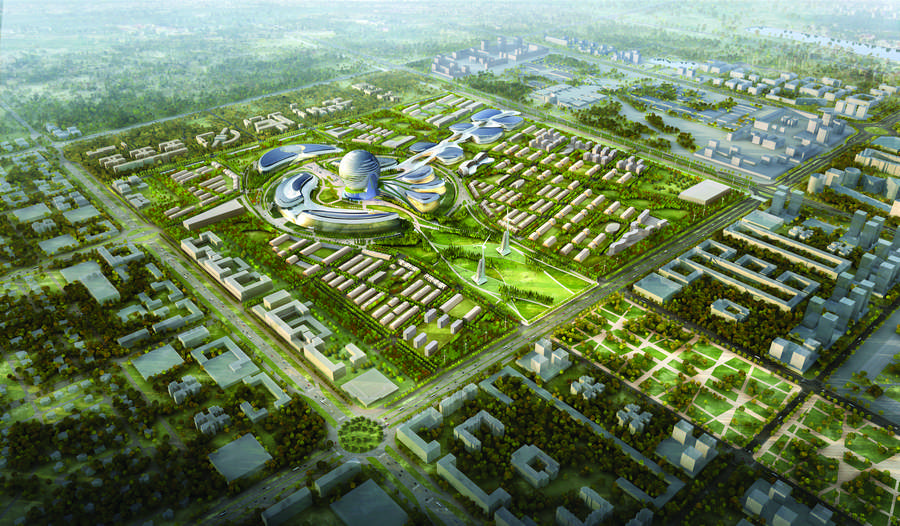
Located in the northern part of Kazakhstan on the banks of the Ishim River, Astana became the capital in 1997. The city’s master plan was developed under the guidance of renowned architects. Its urban strategy is heavily defined by the “Smart Nur-Sultan” concept and the legacy of EXPO 2017, which focused on “Future Energy.” The city’s masterplan aims to use integrated digital management and aggressive energy-efficiency measures to overcome the challenges posed by its extremely continental climate and rapidly expanding population.
Future Cities criteria compliance
Environmental & Nature
Sustainability efforts leverage the EXPO 2017 legacy, where the site now serves as the “Astana International Financial Centre” (AIFC)/Innovation Park for green technology, coupled with strict energy efficiency standards for buildings. The large, ongoing Urban Green Belt afforestation project is a critical climate adaptation measure. Project emphasis energy efficiency and environmental standards, aiming to reduce the urban heat island effect and promote renewable energy.
Smart City
Astana employs a centralized Situation Centre utilizing IoT sensors and AI analytics for real-time management of public safety and critical services. This is complemented by Smart Metering to optimize district heating and an Intelligent Transport System (ITS) managing the BRT network.
Human-Centric
The city prioritizes digitalizing public interaction through E-government services and Smart Healthcare/Education systems to simplify city administration. High levels of security are ensured via the comprehensive Safe City Concept, utilizing extensive CCTV surveillance connected to the Situation Centre.
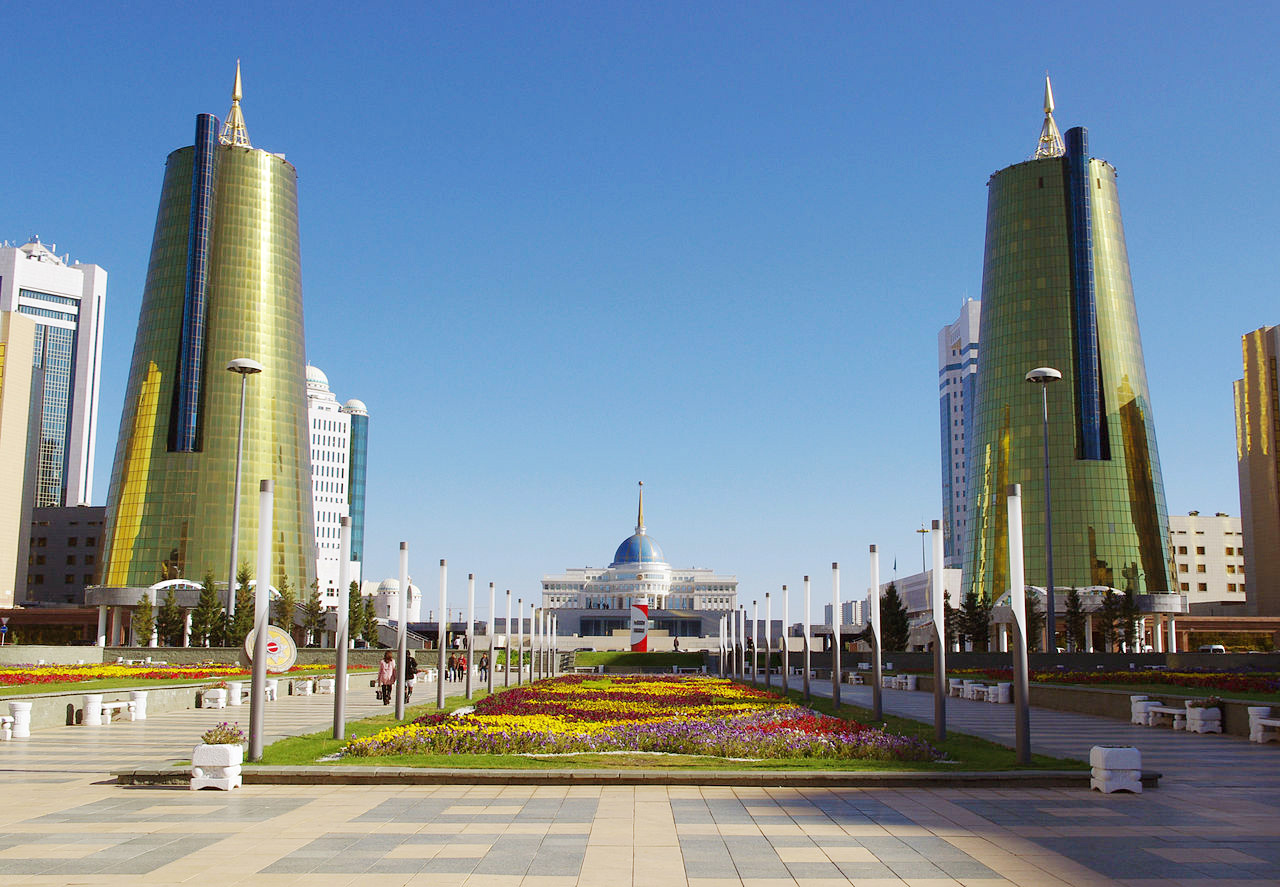
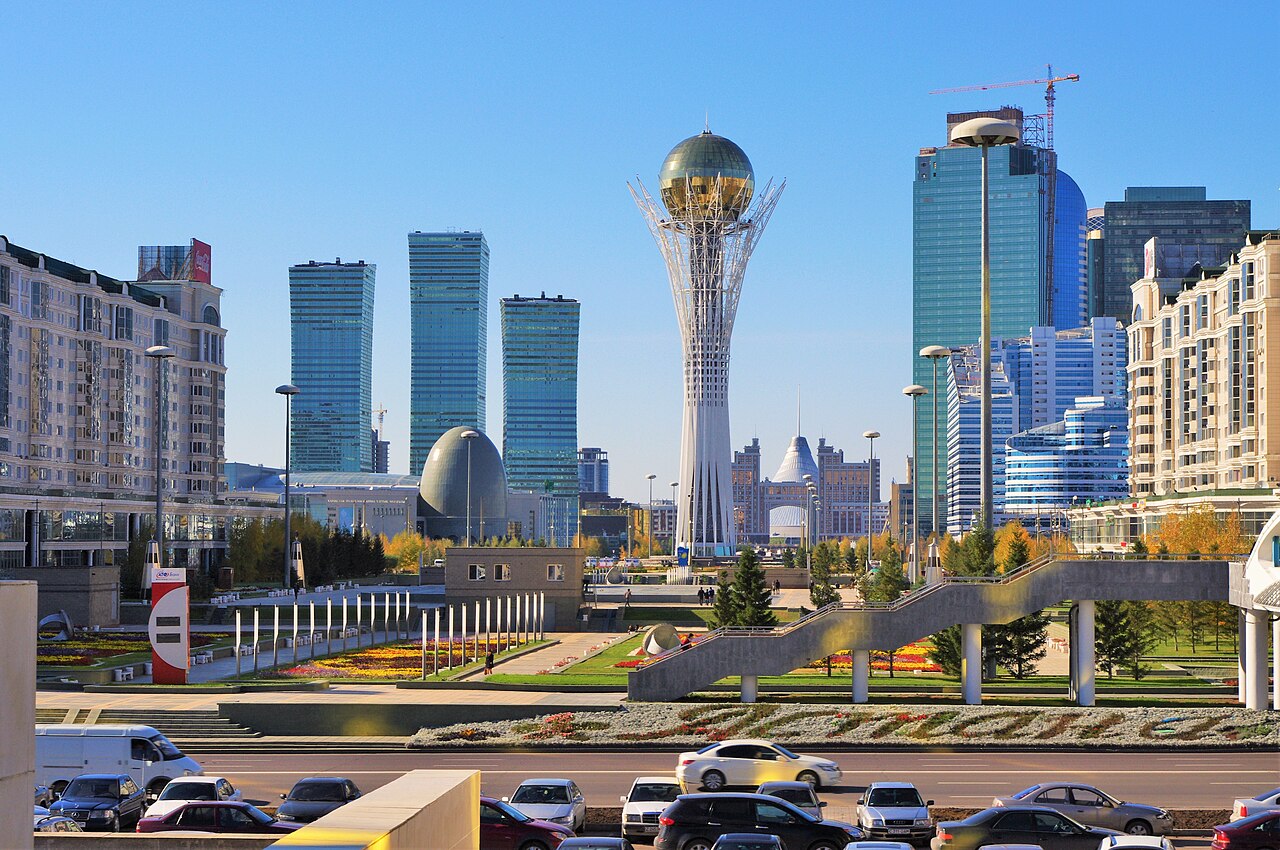
The city’s design aims to create a dignified and functional environment for its citizens and government workers. It features wide boulevards, significant public spaces like the Nurzhol Boulevard, and cultural institutions such as the National Museum.
Interesting Links
Links to external websites and video features available for cities and developments that apply and are accepted as Official Participants: click here to apply