
ADAM TAS CORRIDOR
STELLENBOSCH
South Africa
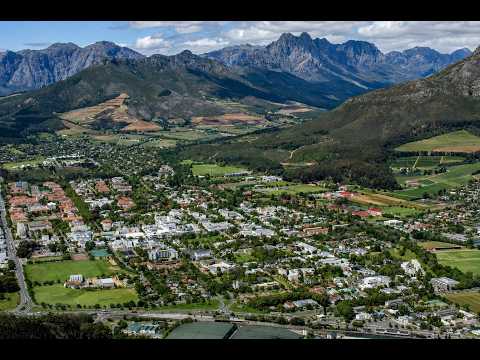
Adam Tas Corridor in Stellenbosch, South Africa, is a 375-hectare urban regeneration initiative along a highway, railway and river. It transforms underutilised land into a new city within the city, creating a liveable, safe, and socially integrated urban corridor.
Stellenbosch, South Africa’s second-oldest city, 40 minutes from Cape Town, is also recognised as an innovation hub in Africa, home to a high-ranking university and a thriving business environment. With its spectacular beauty, old-town character, and exceptionally rich winelands, it attracts many new residents every year and millions of visitors.
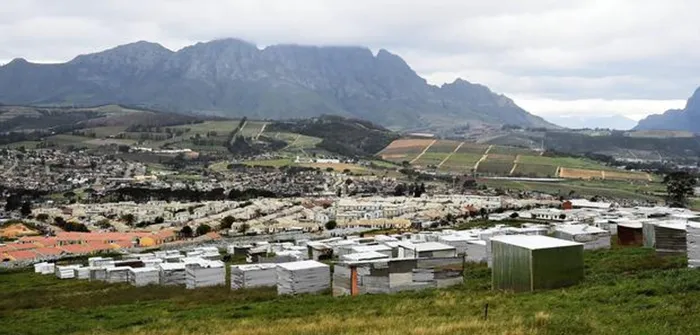
Stellenbosch’s long history, from the earliest beginnings of humankind, is complex. It is a reminder of both humanity’s capacity for injustice and its capacity for remarkable journeys towards healing. These old divisions, clearly marked on the landscape, continue to divide and limit the fair sharing of resources and goodwill. The Adam Tas Corridor is creating a new story. Structured as a “string of beads” of precincts along road, rail and pedestrian routes, it forms a continuous civic spine linking sports fields, cultural precincts, university areas and residential communities. Here, industrial legacy and informal settlement are beginning to share a future. It is expanding our understanding of what constitutes a good and equitable settlement.
Stellenbosch Mayor Jeremy Fasser:
“Stellenbosch is known around the world for its beauty, heritage, innovation and prosperity. Yet, for too many of our residents, that prosperity has not translated into equal opportunity or quality of life. For generations, the railway line and the R44 have physically and symbolically divided communities. The Adam Tas Corridor refuses to accept those divisions as permanent. That is why Stellenbosch is proud to join the 7 Wonders of Future Cities initiative — because we believe the future of our city must be one where opportunity is not determined by where you live.
Sixty-five years after the Freedom Charter promised “houses, security and comfort” for all South Africans, the Adam Tas Corridor provides a concrete, approved pathway to help turn that vision into reality in Stellenbosch. This is not another gated enclave or a top-down megaproject. It is about creating walkable, connected, mixed-use and mixed-income neighbourhoods where homes, schools, workplaces, public spaces and opportunities are within easy reach. It is about building a city that connects rather than divides. And ultimately, this idea is bigger than any one person. We are stitching the divide. We are building a more connected Stellenbosch. And we are creating a future where every resident has the opportunity to belong, participate and prosper. Join us and together let’s build a better and brighter future.”
Hannes Van Zyl, Adam Tas Corridor campaign coordinator:
“Adam Tas Corridor is based on the vision of building on our better selves.”
Future Cities criteria compliance
Environmental & Nature
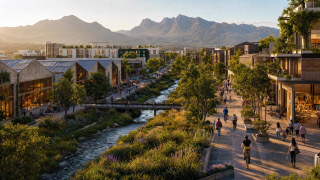
The corridor treats ecology as core infrastructure rather than decoration: the long-polluted Plankenbrug River is restored as a naturalised blue-green spine that delivers flood mitigation, urban cooling, and biodiversity. Papegaaiberg, a declared Section 23 conservation area containing critically endangered renosterveld, becomes a protected core recreation and biodiversity space — a natural recreational park at the edge of the town. Redevelopment is directed to 375 hectares of underutilised industrial land rather than greenfield sites, with green services (rooftop solar, sustainable urban drainage, indigenous landscaping) and environmental remediation (asbestos removal, soil contamination clean-up) built into precinct-level development obligations.
Smart City
Stellenbosch is one of Africa’s innovation hubs, anchored by a high-ranking university and a thriving business environment, with a dedicated “university avenue” that physically links Stellenbosch University to the corridor’s civic spine. The movement network is designed to shift towards public and non-motorised transport. Development decisions are grounded in modelled economic impact (GDP, employment, household income), and a “shared obligations” governance model links enhanced development rights to infrastructure, housing, and environmental contributions. Stemming from Corridor planning, Stellenbosch has approved an extensive inclusionary zoning policy for the whole district.
Human-Centric
Born from the 2018 Kayamandi fire, which destroyed 1,431 homes, and the “Enlarging the Commons” discussion paper and consultation that followed, the corridor emerged from a partnership between government, academia, business and civil society, built on zero objections recorded during public participation. It creates walkable, mixed-use, mixed-income neighbourhoods, each with a distinct character. Affordable and inclusionary housing obligations are embedded in every precinct’s development rights. Renewal is incremental and adaptive rather than displacement-driven, reconnecting informal settlements, the university and the historic town through pedestrian bridges, cycle paths and new rail stations that prioritise people over cars.