Archives: Participants
-
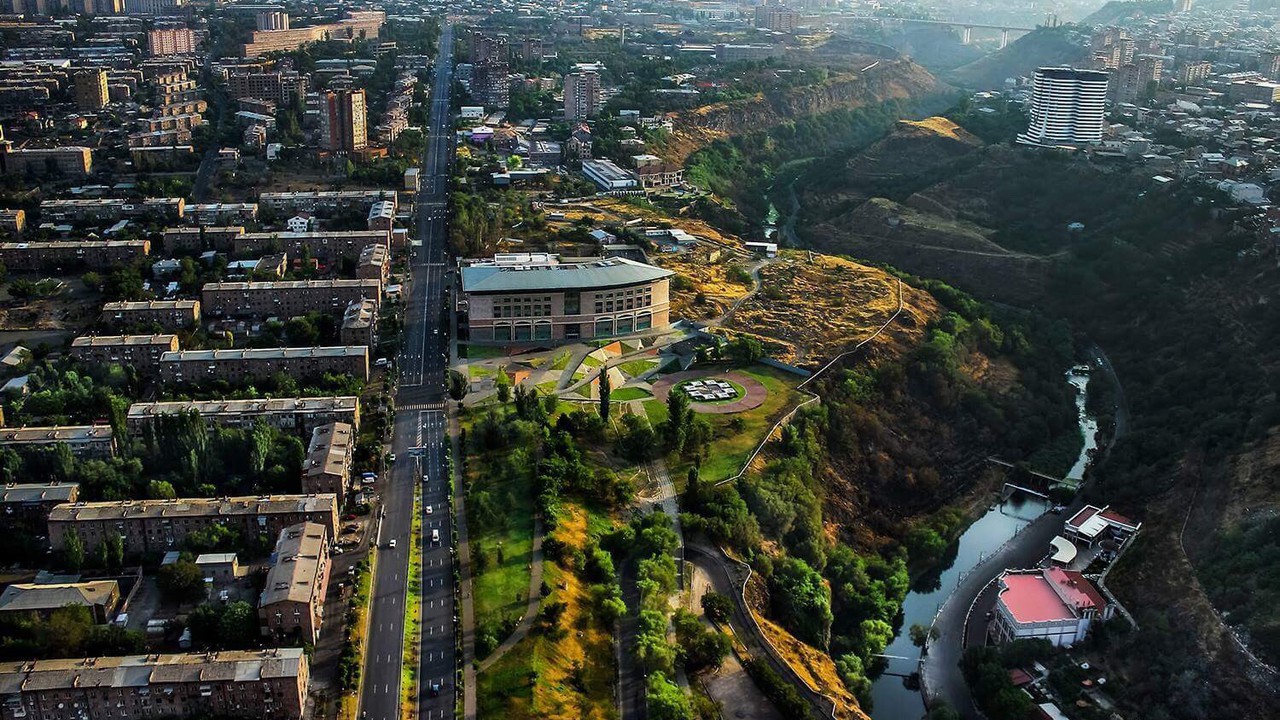
TUMANYAN PARK & SMART MOBILITY
The renovation of Tumanyan Park and Yerevan’s transport overhaul highlight the city’s focus on tech-driven public spaces and modern infrastructure. Tumanyan Park, managed by TUMO, blends green recreation with digital innovation. In 2025, Yerevan introduced a Smart Mobility reform, replacing old microbuses with a unified, digital public transport network. Tumanyan Park, a 7-hectare green space…
-
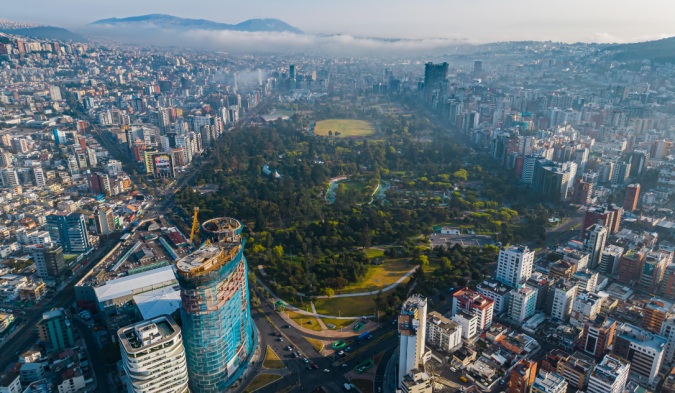
QUITO INAQUITO & VALLE DE LOS CHILLOS ECO-NODES
The Inaquito & Valle de los Chillos Eco-Nodes show Quito’s dual strategy of growing upward in the city centre while protecting its natural edges. Inaquito is becoming a dense, transit-oriented district supported by the new Metro. Valle de los Chillos acts as an ecological and residential balance, preserving green areas like Ilaló. New smart mobility…
-
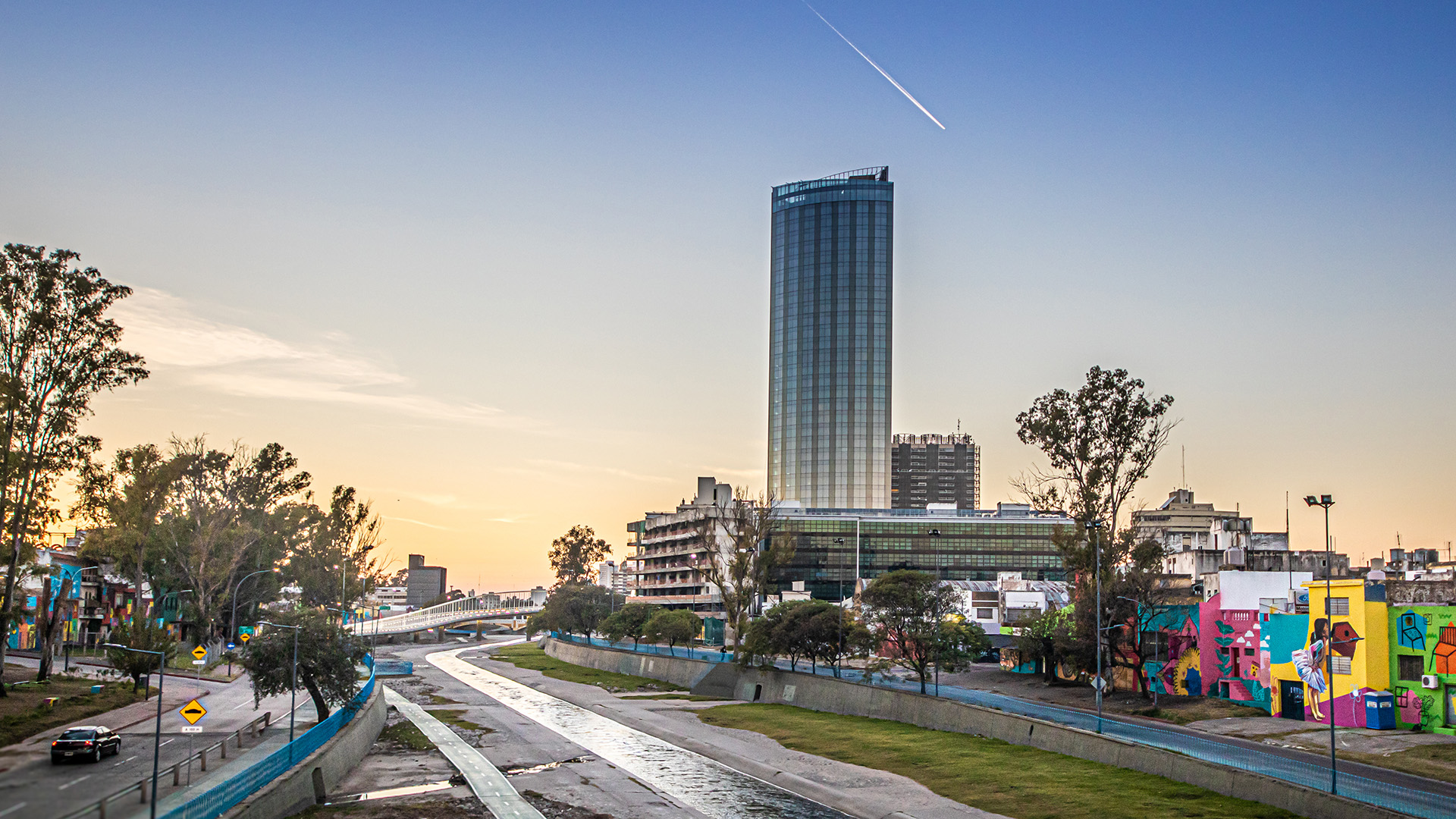
CÓRDOBA “DISTRITO RÍO SUQUÍA”
The Distrito Río Suquía is an urban renewal plan by the Municipality of Córdoba and the Provincial Government to revive the Suquía River. The goal is to turn the once-neglected river into a central ecological and social space for the city. It introduces a linear park that blends nature, public spaces, and modern infrastructure to…
-
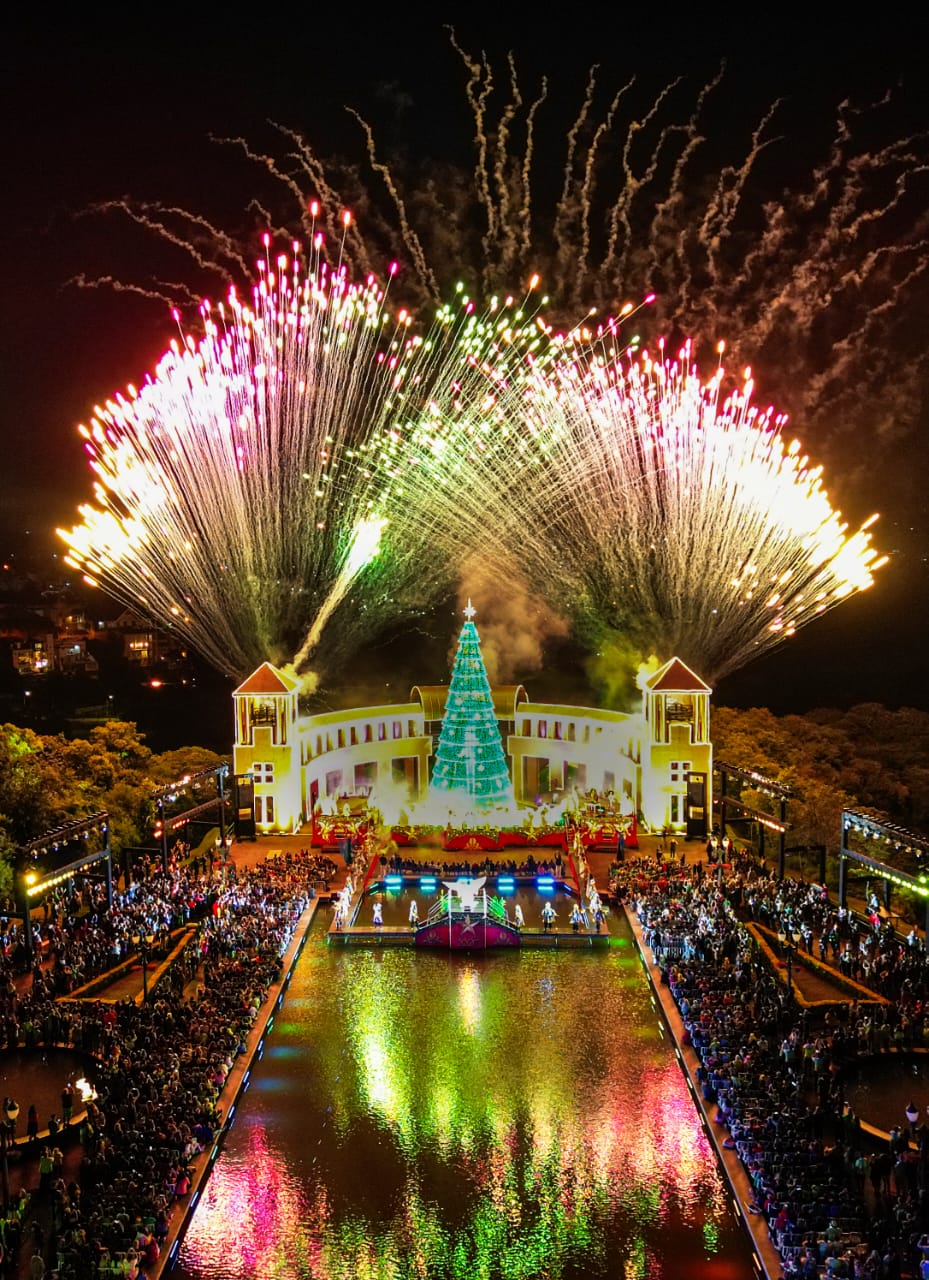
Curitiba
Curitiba stands out for its urban planning and sustainability-oriented management. Internationally renowned for its public transportation. The city has collected numerous international awards and attracts 8 million tourists annually, enchanted by its cultural diversity and beautiful attractions. It was elected the World’s Smartest City in 2023 by the World Smart City Awards in Barcelona, the…
-
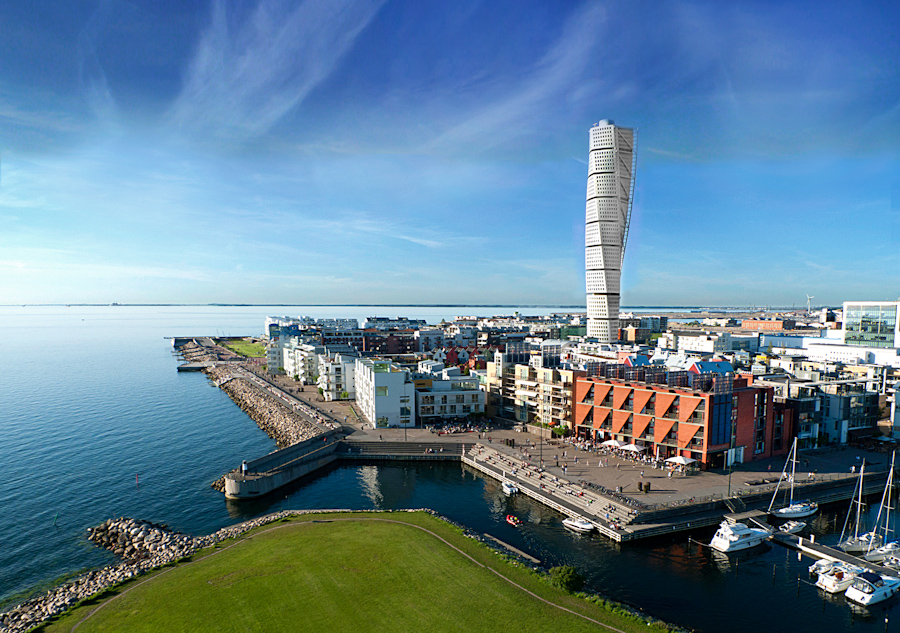
MALMO WESTERN HARBOUR
Western Harbour (Västra Hamnen) is Malmö’s flagship waterfront eco‑district, redeveloping around 180 hectares of former shipyard and industrial land into a dense, mixed‑use, low‑carbon urban quarter on the Öresund. Initiated with the Bo01 “City of Tomorrow” housing exhibition in 2001, the area is planned to accommodate roughly 10,000–12,000 residents and about 20,000 workplaces in a…
-
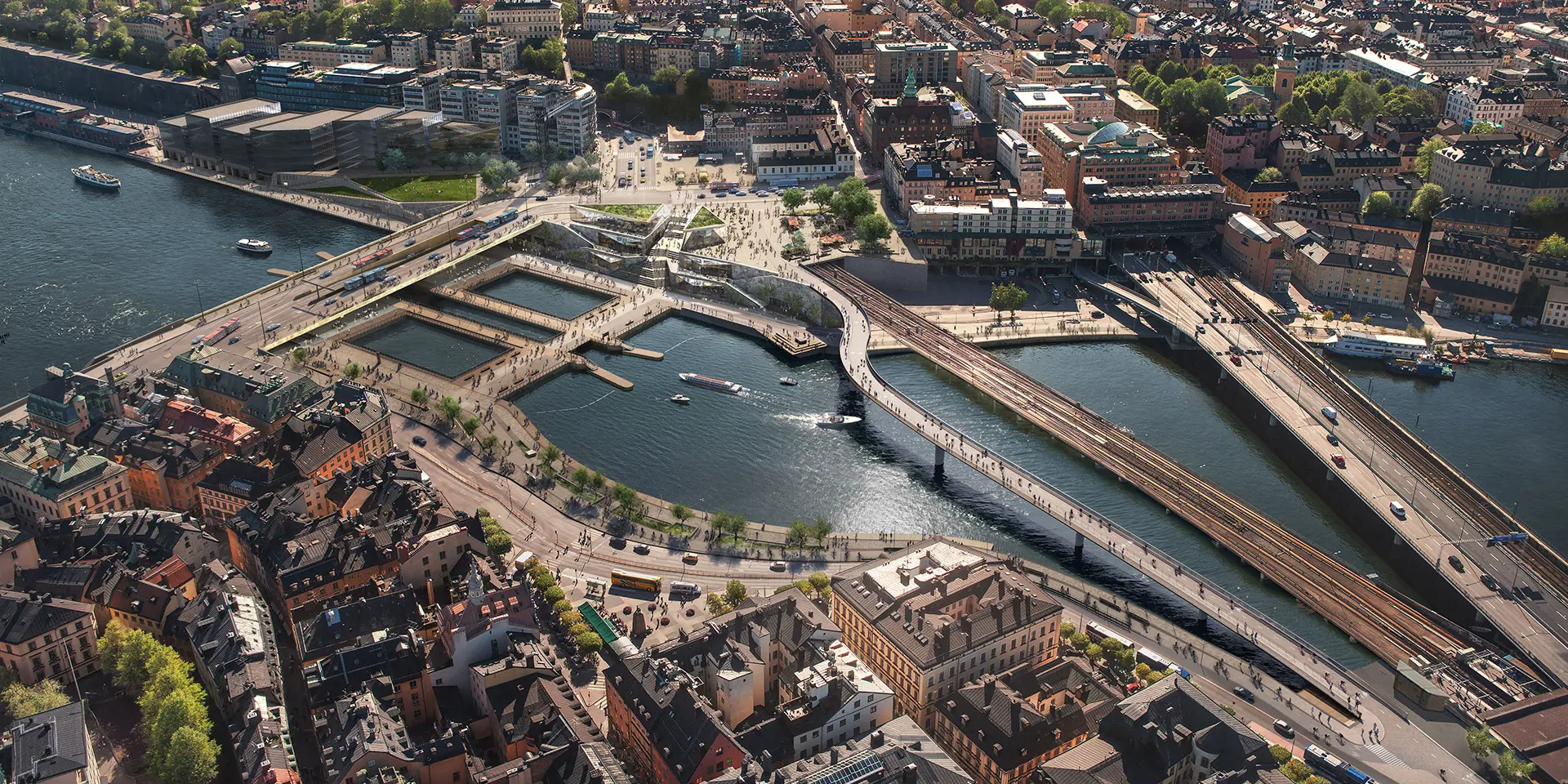
NEW SLUSSEN
Slussen is one of Stockholm’s largest urban transformations, rebuilding an aging traffic junction and lock between Lake Mälaren and the Baltic into a climate-resilient water-management node and a major public waterfront space. The new design combines upgraded flood-protection infrastructure with better conditions for public transport, walking, and cycling in the historic core. Located between Gamla…
-
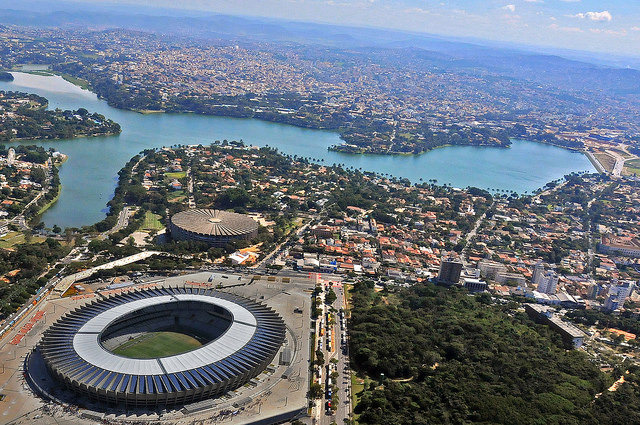
BELO HORIZONTE
Belo Horizonte is the capital of Minas Gerais and a planned hill‑city that has become a Brazilian reference for urban greenery, eco‑mobility, and climate‑oriented planning. Founded in the 1890s as a purpose‑built capital, it now anchors a metropolitan region of over five million people and is expanding its network of parks, green corridors, and sustainable…
-
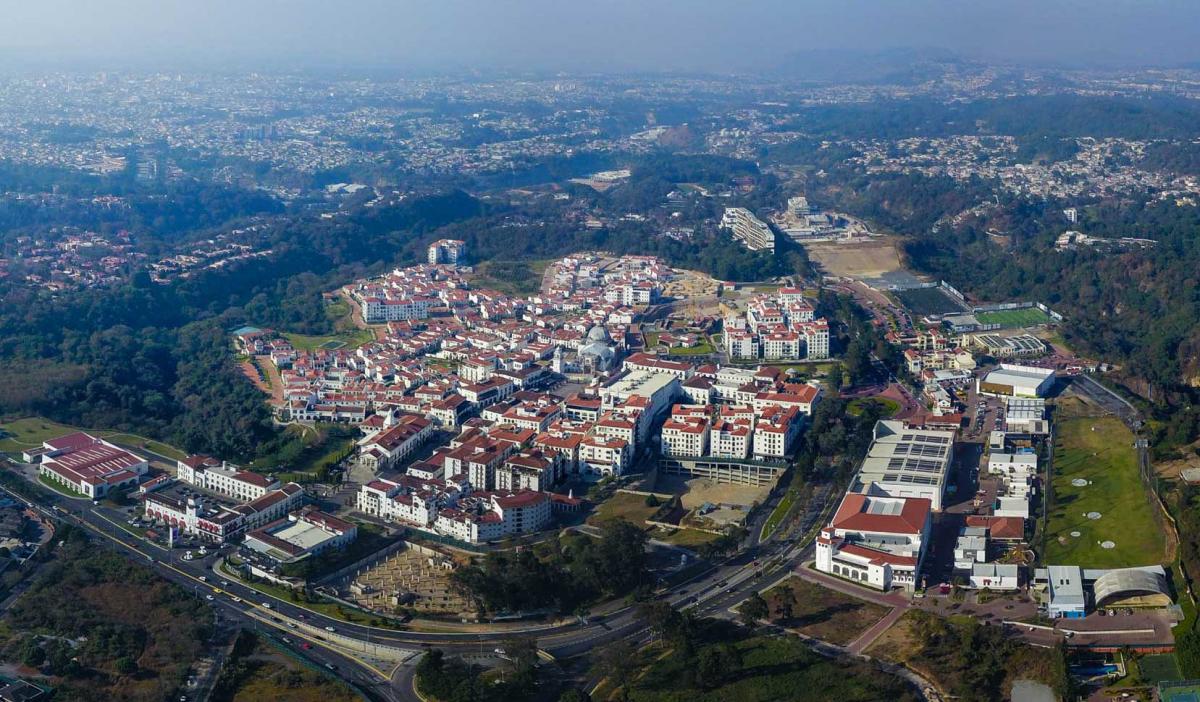
CIUDAD CAYALÁ
Ciudad Cayalá is a privately developed, master‑planned district in Zone 16 of Guatemala City, designed as a “city within the city” that applies New Urbanism principles with traditional Guatemalan‑Mediterranean architecture. Developed by Grupo Cayalá from the 2000s, it offers a compact, mixed‑use alternative to the fragmented, car‑oriented growth common in the wider metropolis. It was…
-
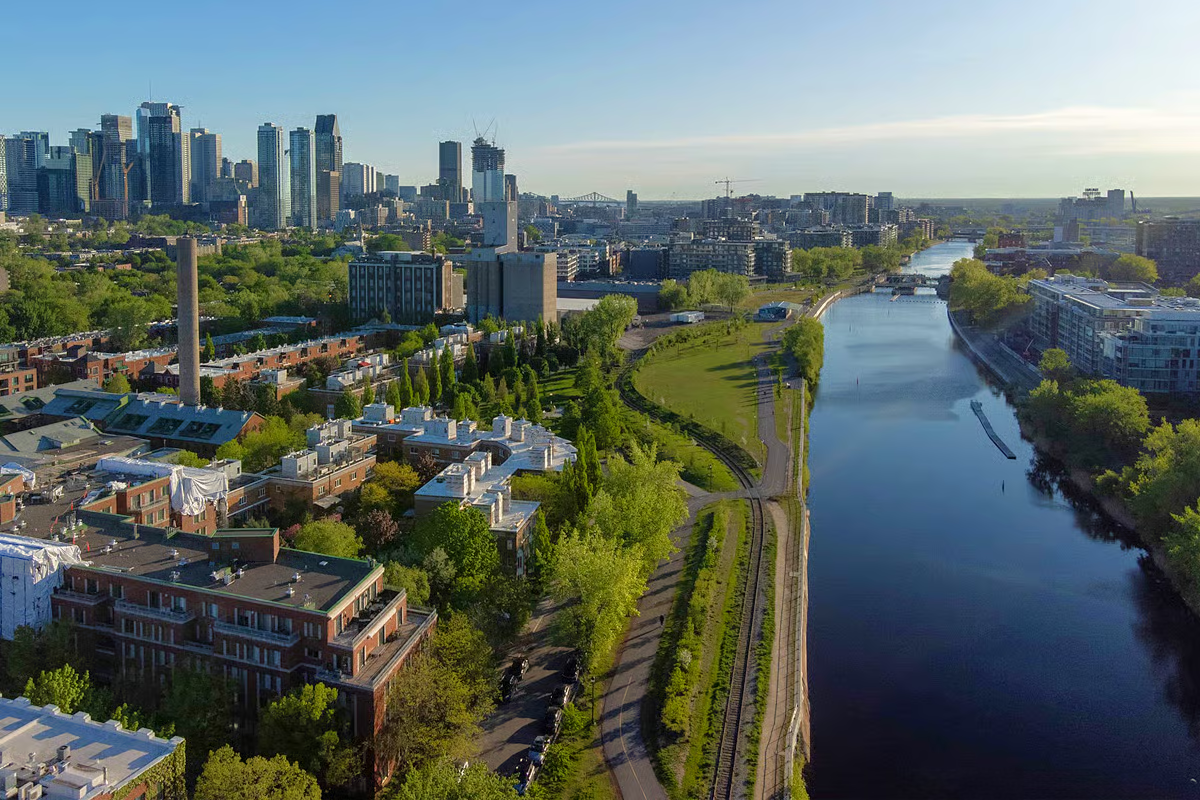
GRIFFINTOWN
Griffintown is a historic former industrial neighbourhood in Montréal’s Le Sud‑Ouest borough undergoing major redevelopment into a dense, mixed‑use innovation district that blends heritage, sustainable mobility, and contemporary urban living. Centred on the Lachine Canal waterfront, it has re‑emerged as one of Montréal’s most dynamic renewal projects, combining new residential towers, creative industries, and extensive…
-
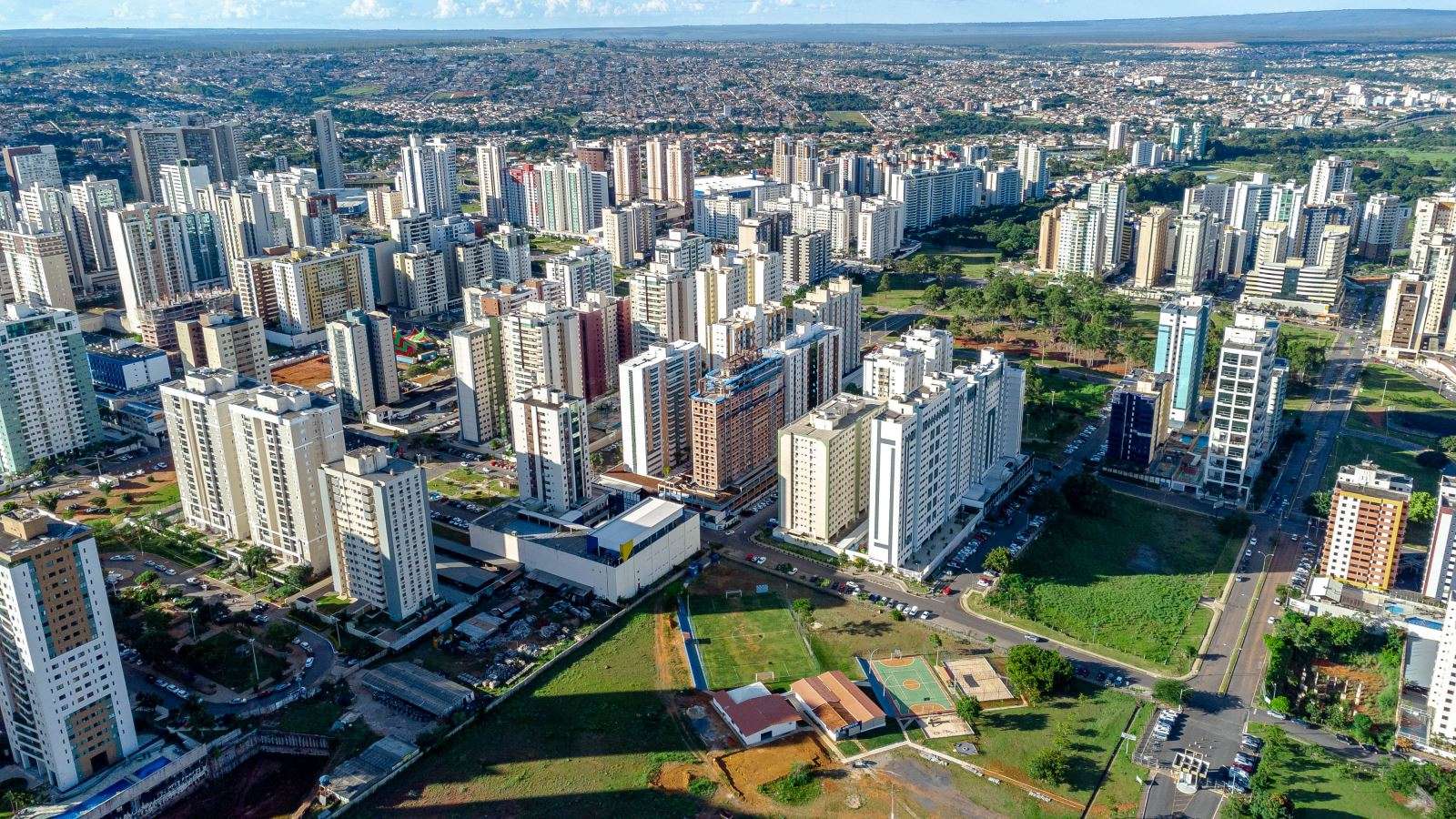
ÁGUAS CLARAS
Águas Claras is Brasília’s flagship Transit‑Oriented Development (TOD), a planned high‑density satellite city built in the 1990s alongside the Brasília Metro to create a compact, mixed‑use urban centre. Designed as a new centrality 20 km west of the Plano Piloto, it concentrates housing, commerce, and services around four metro stations, functioning as a vertical, urban…
-
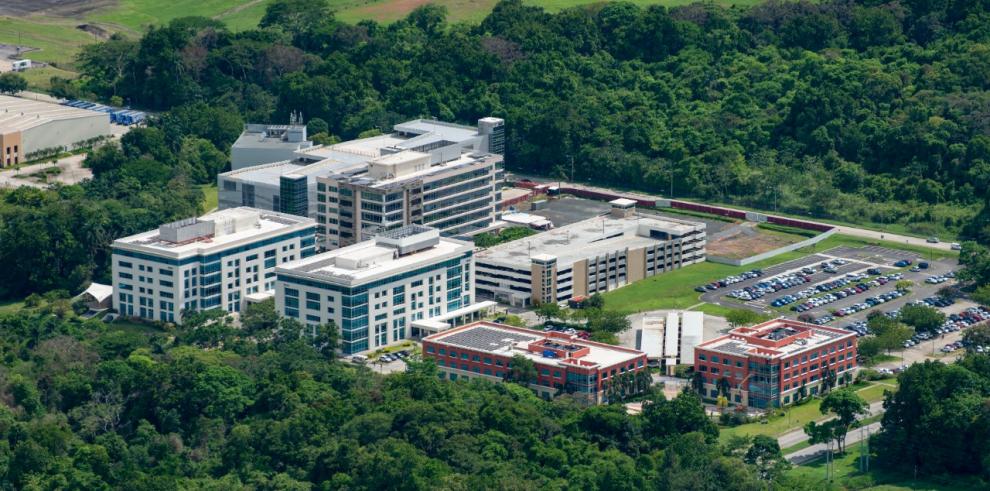
PANAMA PACIFICO
Panama Pacífico is Latin America’s largest mixed‑use real estate development, transforming the former Howard Air Force Base into a major Special Economic Zone (SEZ), business hub, and residential community in Arraiján District, Panama. Created under Law 41 in 2004 and developed by a consortium of London & Regional Panama and Colombian banker Jaime Gilinski, the…
-
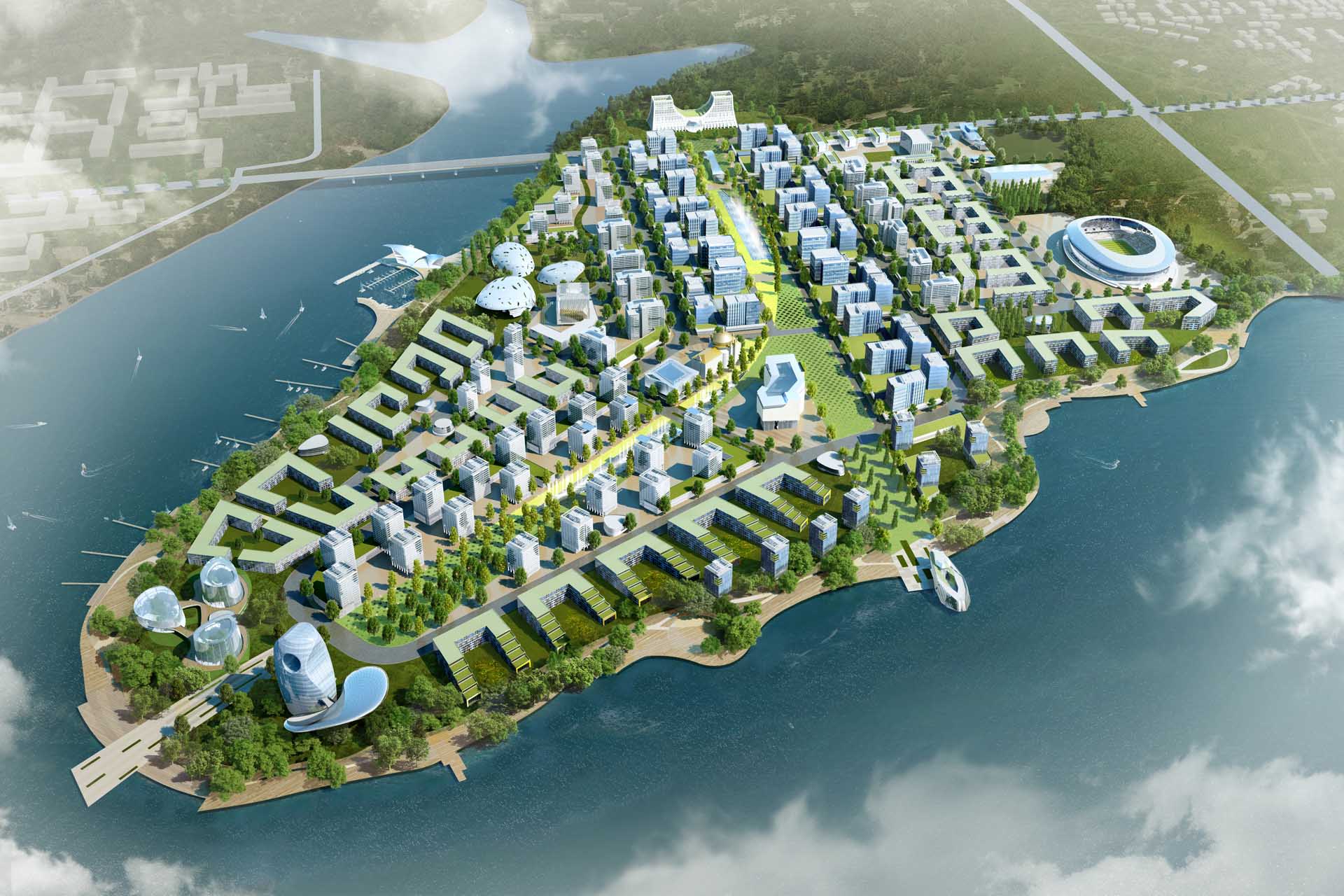
IRKUTSK BAIKAL SMART CITY
Irkutsk Baikal Smart City is a large‑scale, 1,437,000 m² smart‑city concept near Lake Baikal, envisaged more as a pilot vision than a completed new town. It links cold‑climate urban design, digital technologies, and compact urban form with strict environmental protection requirements arising from Baikal’s UNESCO World Heritage status and the ecological sensitivity of the Irkutsk…
-
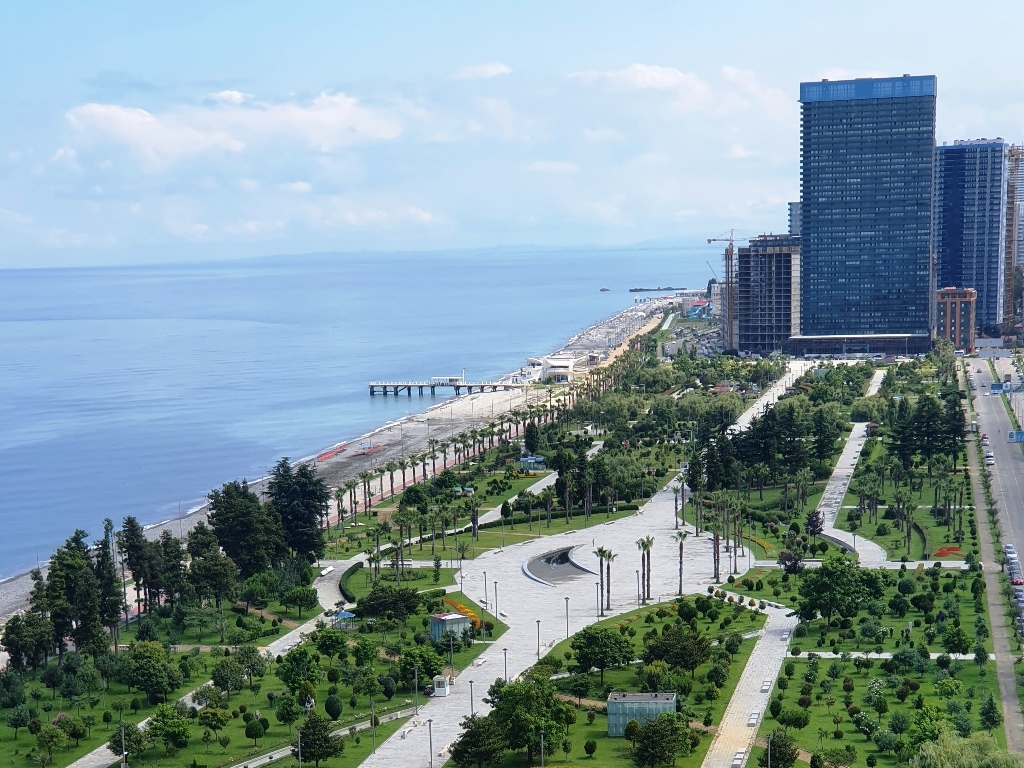
BATUMI NEW BOULEVARD
Batumi’s New Boulevard extends the historic Batumi Boulevard southwards along the Black Sea, creating a continuous coastal park and promenade that doubles as the city’s main public space and green seaside frontage. It forms part of a broader “green coastal strip” vision in Batumi’s planning documents, linking tourism, public recreation, and climate‑resilient urban design. Batumi…
-
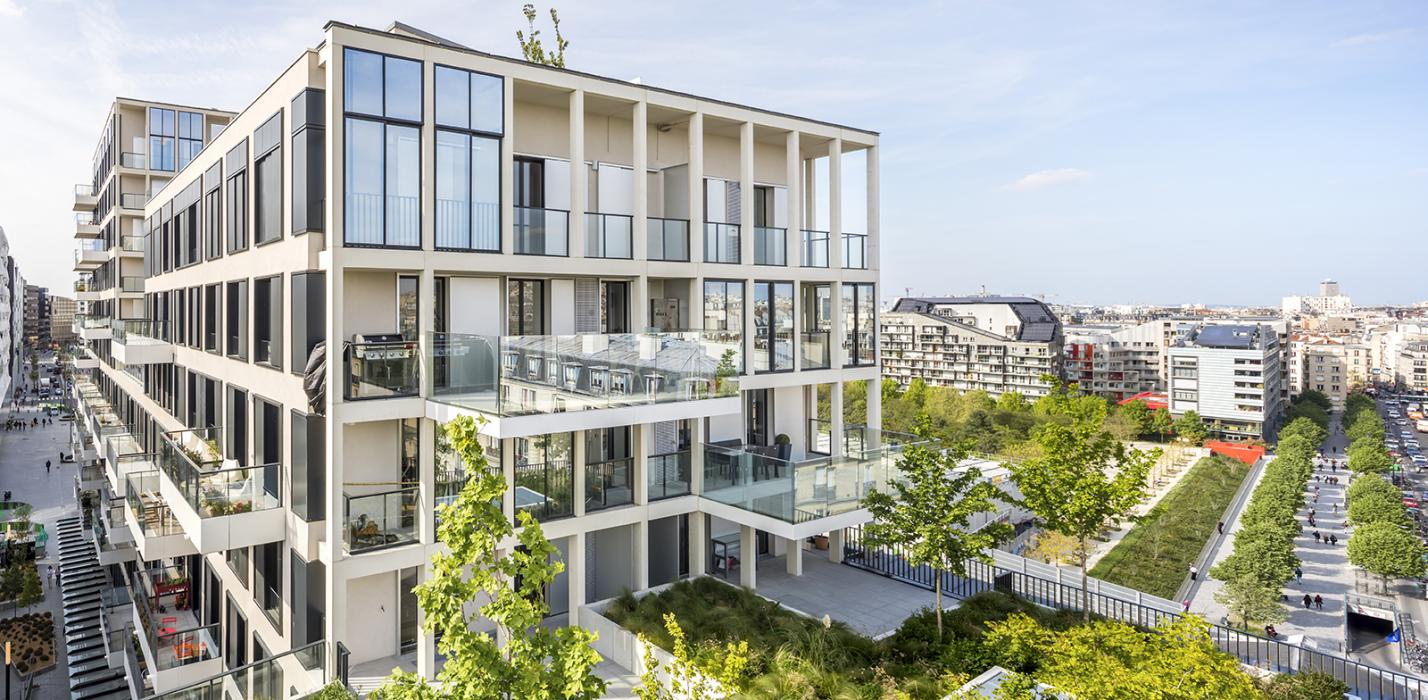
GRAND PARIS (CLICHY – BATIGNOLLES)
Grand Paris uses eco‑districts such as Clichy‑Batignolles to demonstrate low‑carbon, mixed‑use and people‑centred urbanism at a metropolitan scale. Clichy‑Batignolles, in Paris’ 17th arrondissement, is a major redevelopment of former railway land around the 10‑hectare Martin‑Luther‑King Park and is officially recognised as a national “ÉcoQuartier confirmé”. The Métropole du Grand Paris coordinates housing, mobility, environment, and…
-
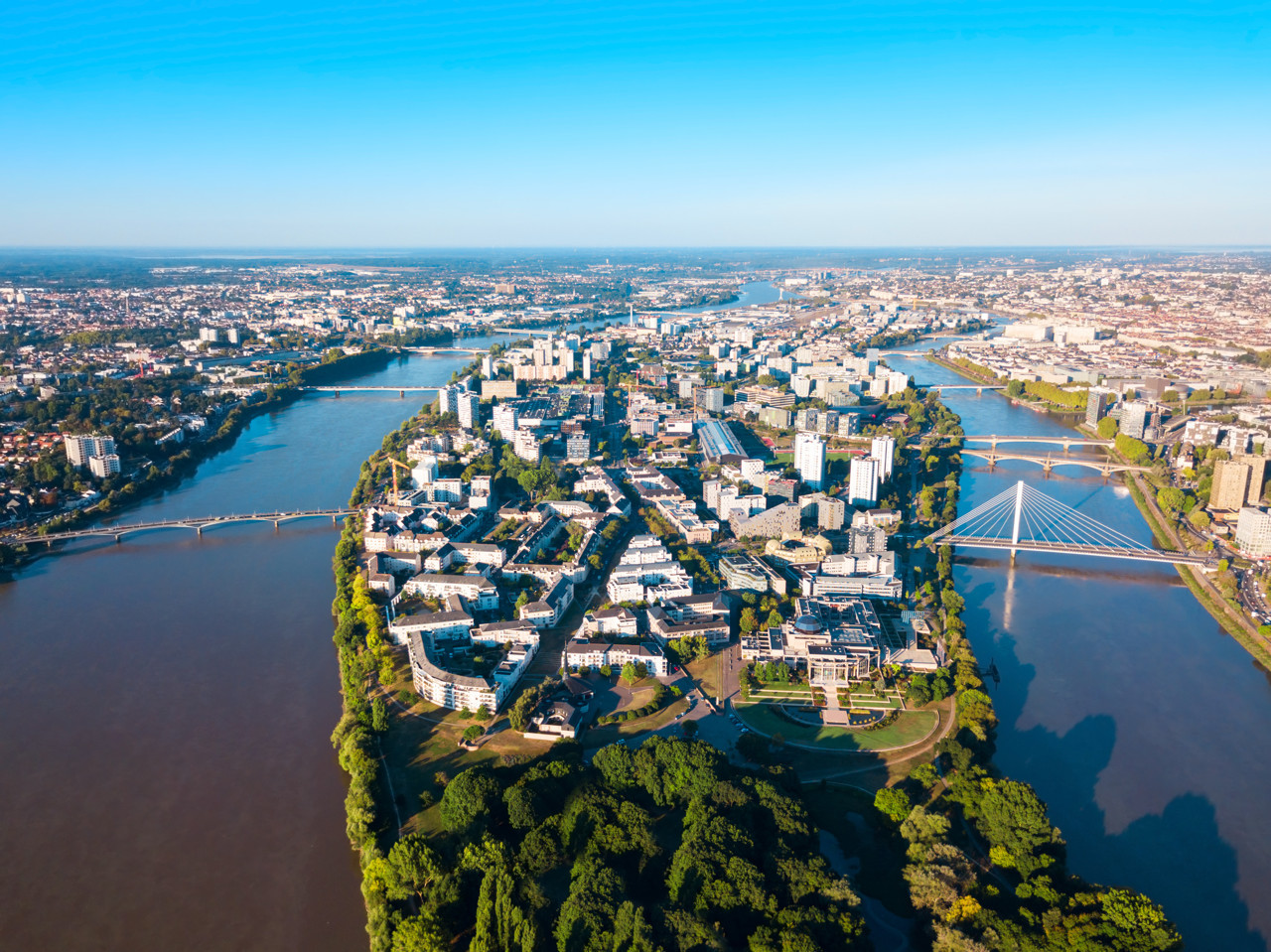
ÎLE DE NANTES
Île de Nantes is a flagship regeneration in central Nantes, transforming former shipyards and industrial land on a 4.9 km‑long Loire island into a dense, mixed, low‑carbon and creative district of about 350 hectares. Led by SAMOA for the City of Nantes and Nantes Métropole, it delivers housing, jobs, and services in a central location…
-
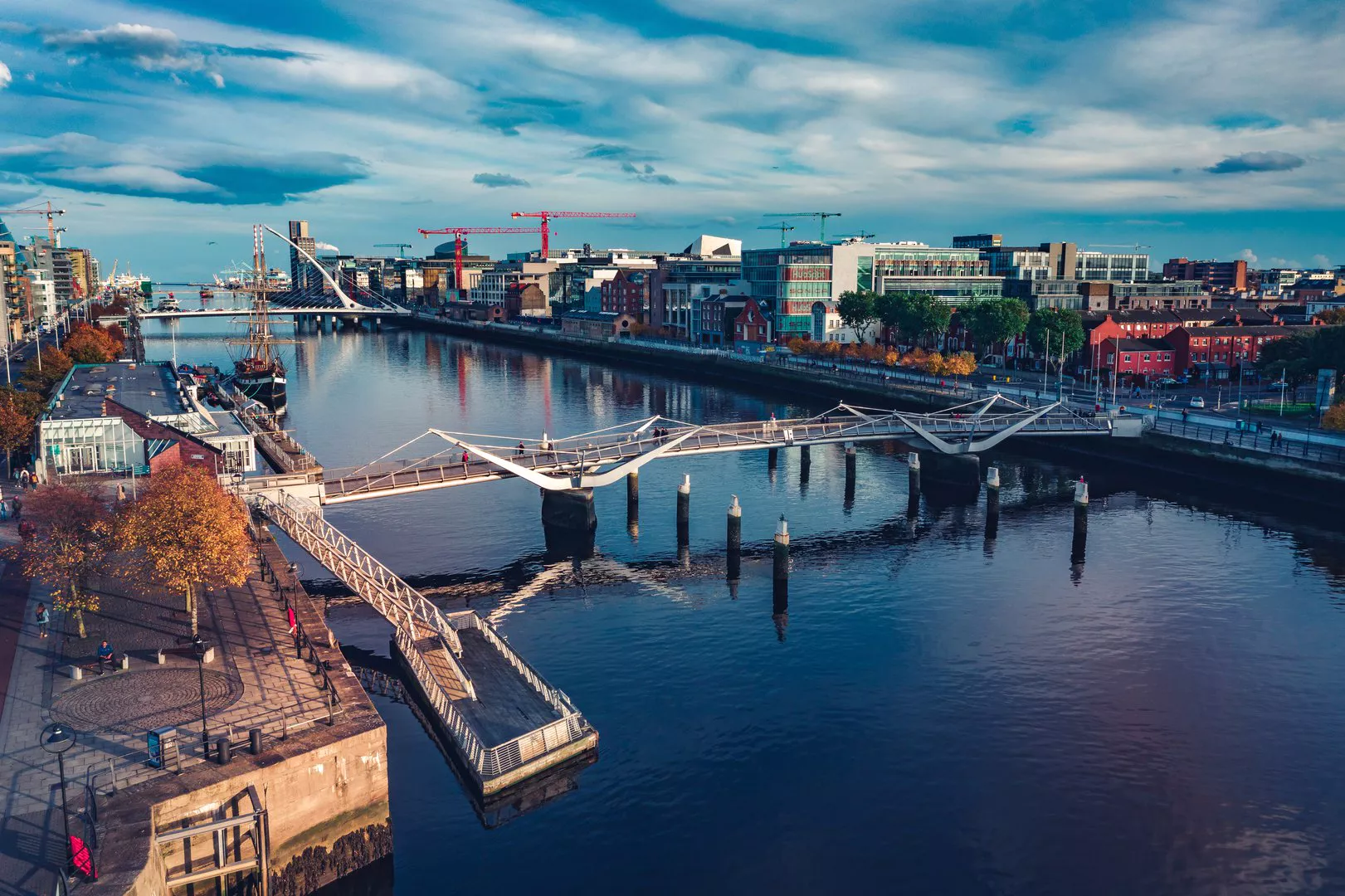
DUBLIN DOCKLANDS / GRAND CANAL INNOVATION CLUSTER
Dublin Docklands and the Grand Canal area form Ireland’s leading inner‑city regeneration and innovation hub, built around the North Lotts and Grand Canal Dock Strategic Development Zone (SDZ) and the planned Grand Canal Innovation District (GCID). Together, they concentrate dense employment, new housing, and a growing ecosystem of tech firms, start‑ups, and research institutions in…
-
CHERRYWOOD (DÚN LAOGHAIRE–RATHDOWN)
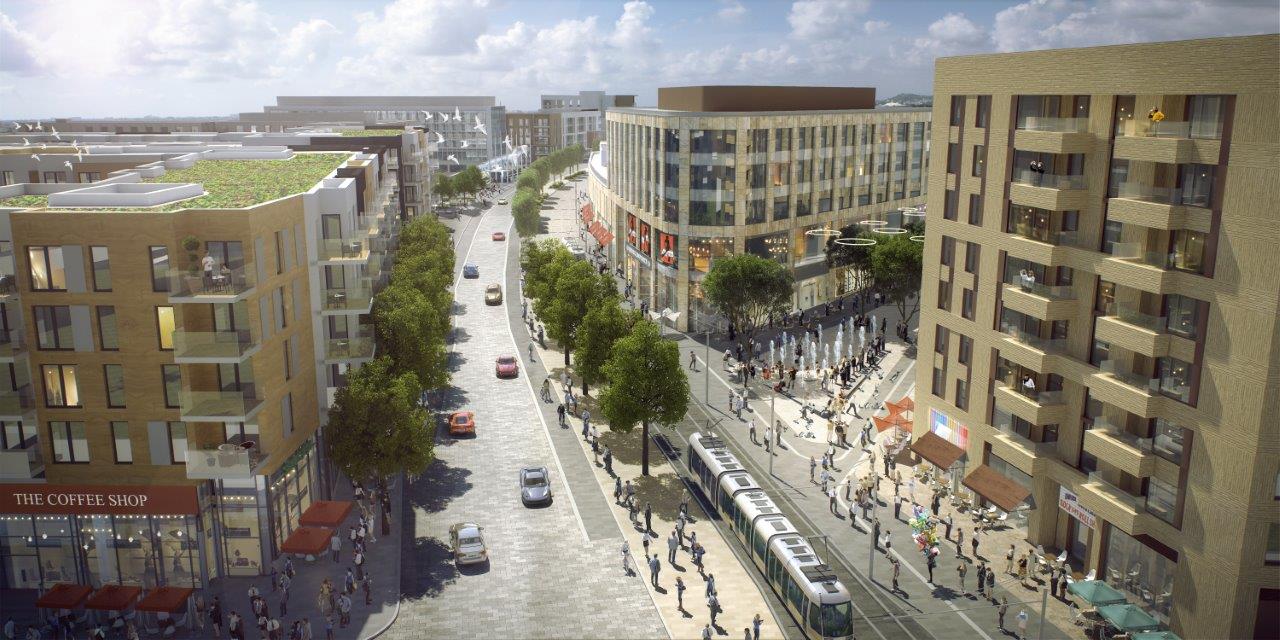
Cherrywood (Dún Laoghaire–Rathdown) is Ireland’s largest Strategic Development Zone (SDZ), planned as a new mixed-use urban district with over 8,000 homes, a major town centre, employment space, and integrated public transport at the edge of south Dublin. Cherrywood SDZ covers about 360 hectares between the M50 and N11, designated by the government in 2010 as…
-
NORTHSTOWE
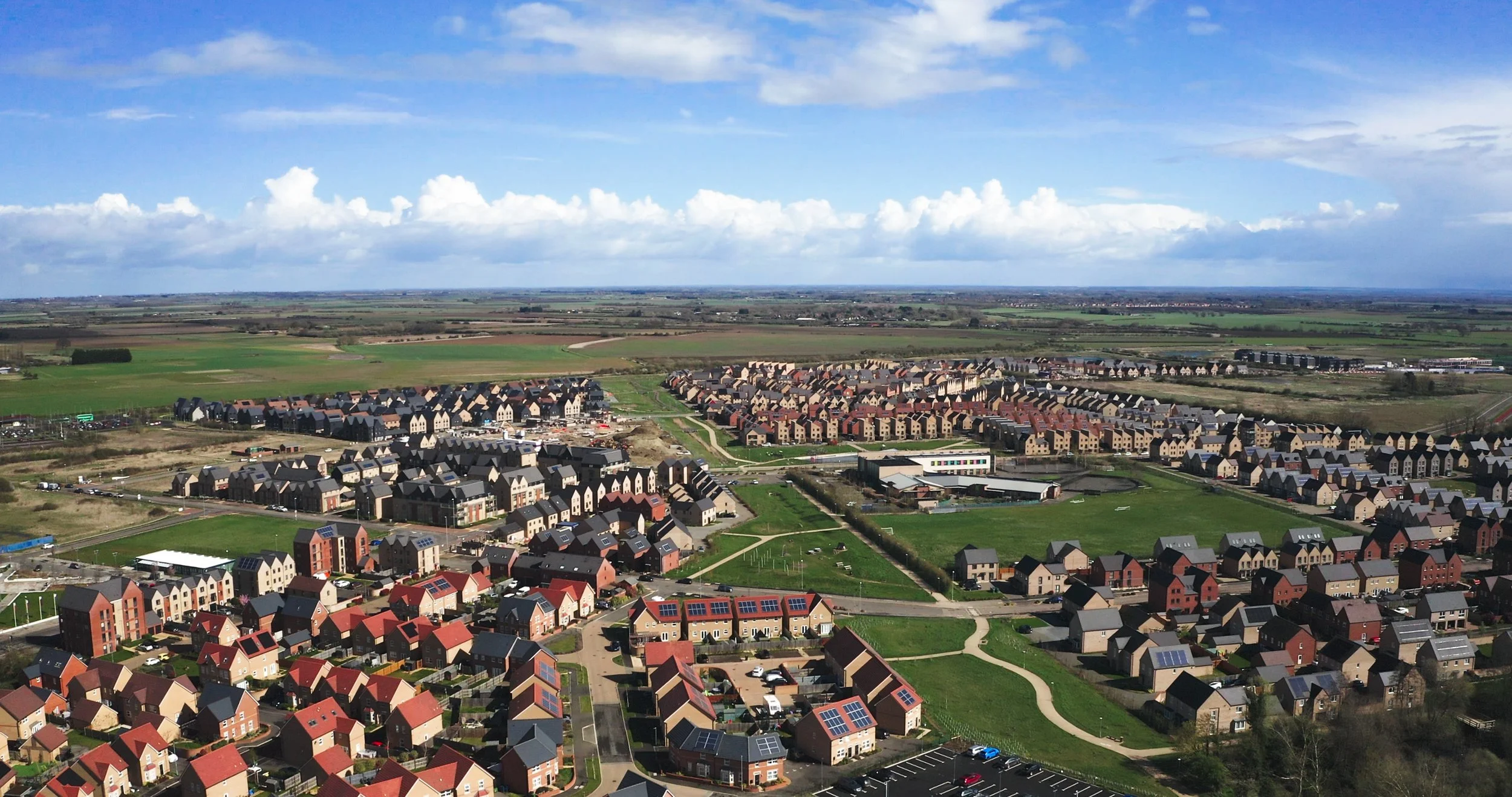
Northstowe in Cambridgeshire is one of Britain’s largest new towns under development, planned for around 10,000 homes and roughly 25,000 residents on a 540‑hectare site about 6–8 miles north of Cambridge. Northstowe is being created on the former RAF Oakington barracks and surrounding land as a major strategic growth location for the Cambridge sub‑region. Phase…
-
BRISTOL TEMPLE QUARTER
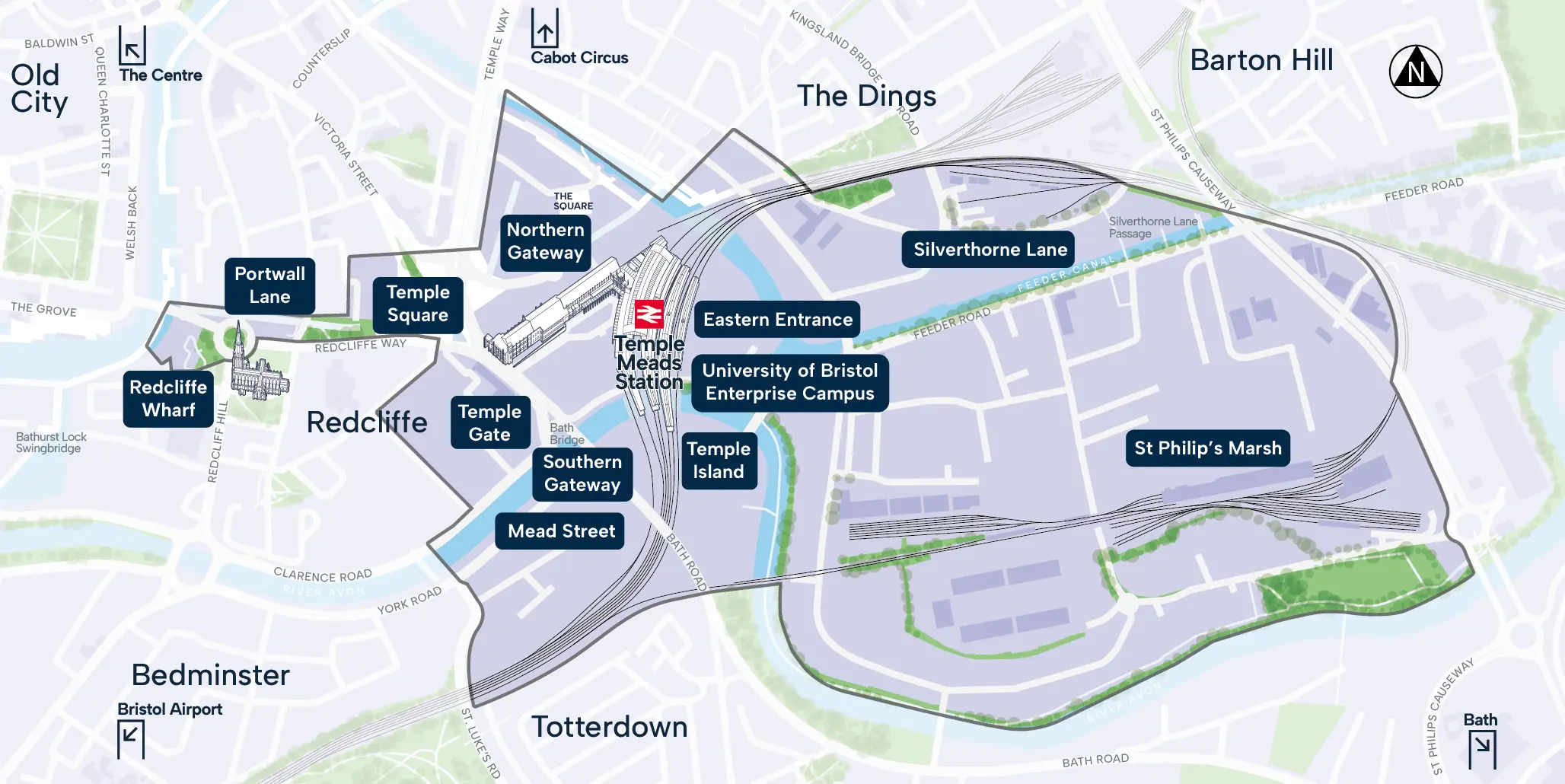
Bristol Temple Quarter is a major city-centre regeneration project, turning about 135 hectares of brownfield land around Temple Meads station into new mixed-use, low‑carbon neighbourhoods with around 10,000 homes and 22,000 jobs over the next two decades. The project is led by a partnership between Bristol City Council, Homes England, the West of England Mayoral…
-
HUNTERS POINT SHIPYARD, CANDLESTICK
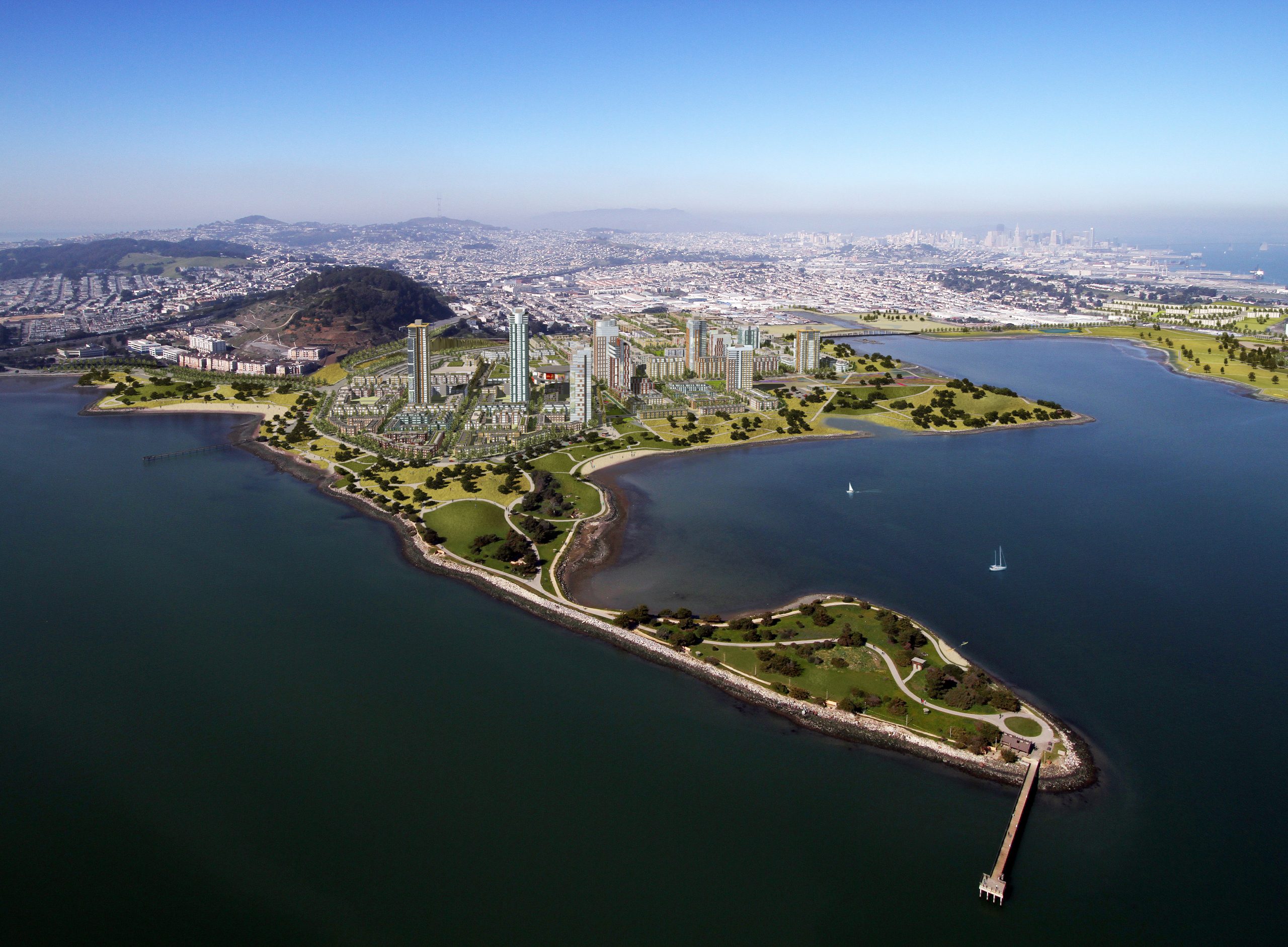
The Hunters Point Naval Shipyard on San Francisco’s southeastern waterfront was a major Navy facility that became a Superfund site in 1989 and is being remediated and transferred in phases for reuse. In parallel, the former Candlestick Park stadium site and adjacent lands at Candlestick Point are being planned together with the Shipyard as one…